
THE APEX TIMES
Jalen Green’s next season could decide how the Suns build around him
Phoenix is headed into another year of evaluation for Jalen Green, but the structure of his contract turns that process into a more complicated, high-stakes roster decision.
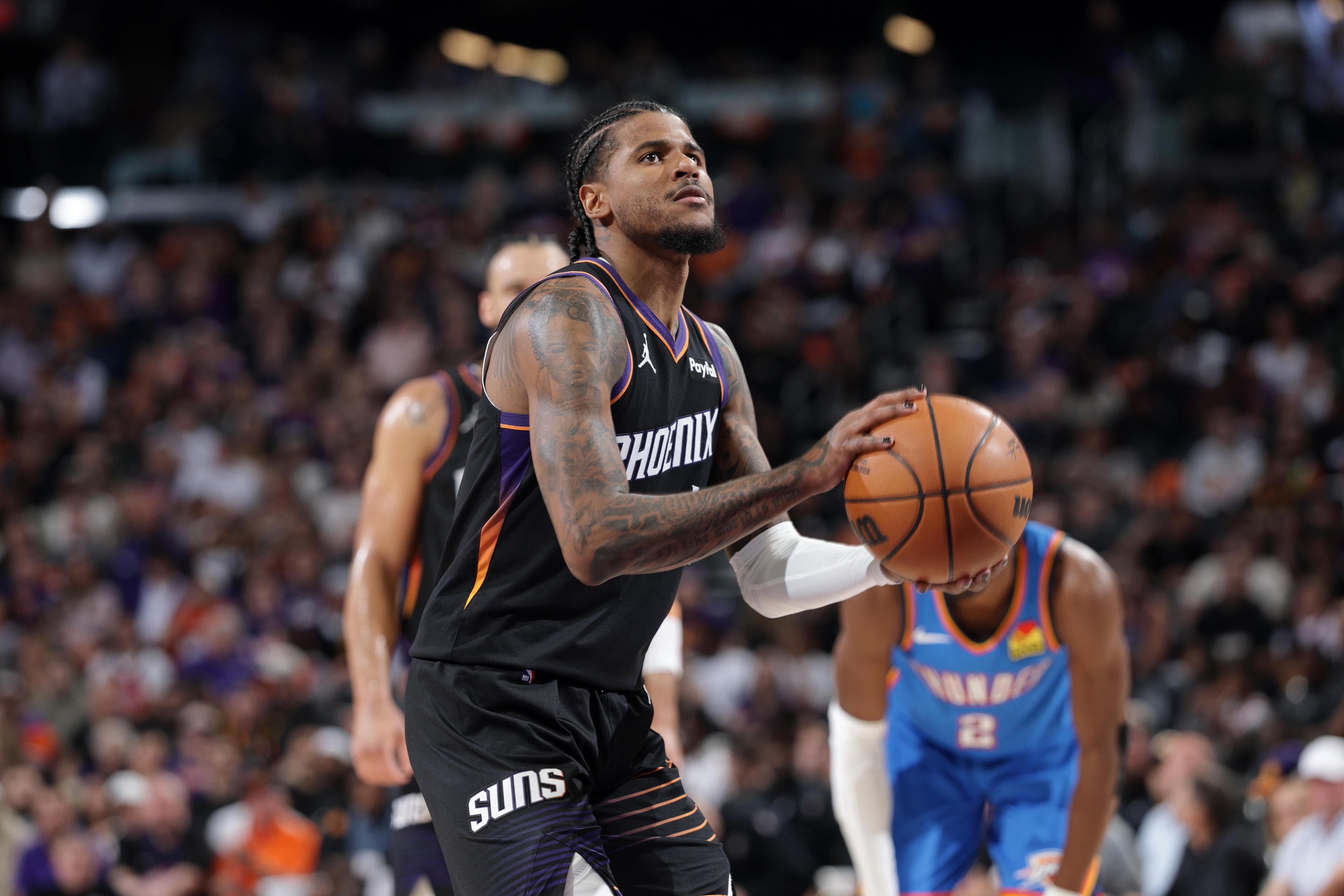
The Phoenix Suns are entering a make-or-break stretch for Jalen Green, with the upcoming season positioned as the clearest runway yet for the 24-year-old scorer to influence how the franchise shapes its future. The basic idea is straightforward: Phoenix can still afford time to evaluate, but his contract adds friction to any long-term conclusion, turning the next year into more than just another developmental checkpoint.
At the center of the discussion is roster construction, specifically how a team balances short-term competitiveness with longer-term flexibility. When a player is expected to be a foundational piece, front offices typically want evidence that the player can anchor offense, create scoring without excessive help, and fit with the rest of the team’s timeline. When the player’s financial commitment is significant, those questions stop being theoretical. They become boardroom-level planning issues, because the organization cannot treat the roster like a blank sheet of paper after every season.
For Green, that means the Suns’ coaching staff and management will be weighing his production and overall role with an urgency that can be difficult to replicate in a “normal” year. The evaluation does not have to be framed as a single binary outcome, but the stakes rise when a contract complicates changes that might otherwise be made quickly. In practical terms, Phoenix’s ability to pivot around roster needs can be constrained by how the current arrangement impacts salary allocation, minutes distribution, and the kinds of players the team can realistically prioritize in future roster moves.
The Suns’ decision-making pressure is also tied to what “long-term plans” tend to mean in the NBA. Teams often build their rotation around a clear identity, such as offensive creation from the backcourt, spacing and shot volume from multiple positions, and defensive personnel that can survive in playoff lineups. If a team believes a young star can grow into that identity, the organization can commit to continuity. If the team believes the fit is not stable enough, it needs alternatives, and contracts can determine how quickly that process can happen.
Because the underlying report focuses on planning implications rather than specific transaction details, it is important to keep the claim narrow. The key point is that the upcoming season matters for Green not only as a basketball opportunity, but because his contract makes the eventual decision more complicated for Phoenix. That is a distinctive kind of pressure, one that extends beyond box score performance and into the team’s broader willingness to commit to him as a core piece.
What to watch next is how the Suns use Green within their offensive system and what role they emphasize as the year develops. If Phoenix’s scheme reflects a commitment to him as a primary scoring and play-driving option, it will report that the franchise is comfortable treating the next season as confirmation of his long-term ceiling. If the team’s plan becomes more about surrounding him with specific complementary pieces and limiting his responsibilities, it could indicate that Phoenix still wants clarity before fully incorporating him into its core timeline.
Just as importantly, watch how the Suns manage the space around him. Basketball fits are rarely only about one player, and teams often reveal their long-term priorities by what they surround a player with, where the rest of the rotation tries to find advantages, and how the organization allocates primary ball-handling and shot creation. Over time, those choices will show whether Phoenix views Green’s next-year output as a step toward becoming a durable franchise cornerstone or as a continued, unresolved evaluation.
For now, the franchise message is essentially contained in the framing: Phoenix has another season to evaluate Jalen Green, and that evaluation is expected to carry unusual weight because of his contractual situation. The NBA can absorb inconsistency, but it cannot ignore opportunity cost forever. Green’s next season is positioned as the moment Phoenix most needs the answer to become clear enough to guide its next chapter.
Why It Matters
- Green’s performance and role next season could influence how the Suns define their offensive identity moving forward.
- A contract that complicates decisions increases the importance of getting clear answers through the season’s results.
- How Phoenix uses Green can foreshadow whether the franchise is prioritizing continuity or flexibility in future roster moves.
- The Suns’ planning pressures reflect a broader NBA reality, where timing, minutes, and financial commitments all intersect in roster construction.
Key Facts
- Phoenix is preparing for the upcoming season as another evaluation window for Jalen Green.
- The report frames Green, who is listed as 24 years old, as central to Phoenix’s roster-building questions.
- The contract is described as increasing the complexity of any long-term decision for the Suns.
- The article’s emphasis is on how current roster construction affects both short-term and long-term planning.
- The stakes are characterized as make-or-break for how the Suns proceed from an organizational planning standpoint.