
THE APEX TIMES
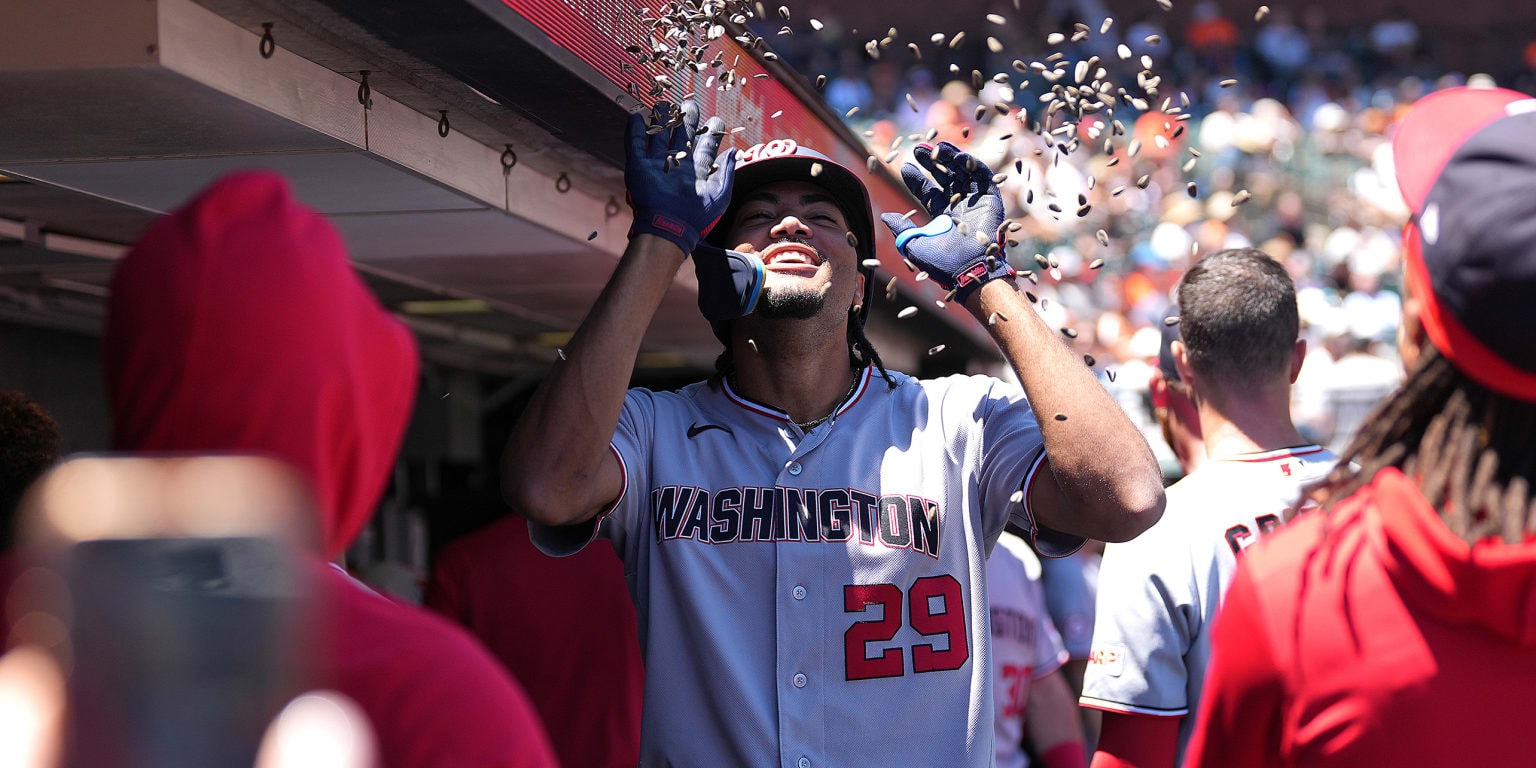
James Wood’s breakout influence is powering the Nationals’ 2026 run-scoring surge
Washington has built one of MLB’s most productive offenses through the first two-thirds of the season’s early stretch, and MLB points to James Wood as the centerpiece of that momentum.
The Washington Nationals have been scoring as if they expect something to happen at every-bat, and MLB’s latest team story traces the lift to their top-end offense. Through Wednesday, the Nationals owned the majors’ most prolific run-scoring attack, totaling 372 runs in 69 games for an average of 5.39 per contest. The production is the type that changes how a team approaches both lineup construction and late innings.
What makes the Nationals’ start especially notable is not only the volume of runs, but the way MLB describes their offensive identity: it is built around players who can turn the lineup over quickly. In that framing, James Wood is presented as the key reason the attack has looked more dangerous than most early-season scouting reports would suggest.
Wood’s role, as characterized by MLB, is that of a catalyst rather than a one-dimensional producer. When MLB writes about Wood as the spark behind the Nationals’ offense, it is pointing to how his presence shapes the flow of games for Washington, including the frequency of scoring opportunities and the pressure placed on opposing pitching staffs across an order. The broader takeaway is that the Nationals are not relying on a single cluster of events; they are building repeated leverage at-bats.
Run scoring at this pace does not happen by accident. Even when a team has talent throughout its lineup, consistent run production requires several components to align, from sustaining baserunner pressure to stringing together damage before innings stall. For the Nationals, the league-leading run total suggests they have repeatedly converted their chances into runs at a rate that separates them from the rest of MLB.
It is also worth noting that “best in the majors” offense, even early, has a different feel than the kind of output that comes and goes with matchups. The Nationals’ 372 runs through 69 games implies a steadier pattern over time, which matters because the season’s second half typically rewards teams that can produce across a wide range of opponents, parks, and pitching styles.
For Wood, the central question now becomes whether that influence can hold as scouting departments adjust and pitchers refine their approach. When a young power bat is treated as a catalyst for an entire offense, defenders and pitchers usually get more specific about how they pitch to him, and the next challenge is whether Washington can keep the same tempo even when opponents make counter-moves.
The next stretch of games will likely provide the clearest answer about durability. If the Nationals keep scoring at a pace near their current average, the club’s early-season profile will look less like a hot start and more like a sustainable team-building blueprint, with Wood’s impact continuing to set the tone at the top of the offense.
Why It Matters
- A league-leading run pace can reshape how opponents pitch Washington, often forcing deeper strategy changes earlier in games.
- If Wood’s impact continues, it strengthens Washington’s offensive identity around a repeatable game plan rather than matchup-dependent bursts.
- Sustained high scoring improves a team’s margin for error in bullpen and late-inning variability across a long season.
- A clear offensive catalyst can also affect lineup flexibility and how Washington balances risk and contact throughout the order.
Key Facts
- The Nationals led MLB in runs scored through 69 games, with 372 runs.
- Washington’s run average through Wednesday was 5.39 per game.
- MLB described James Wood as the catalyst behind the Nationals’ potent offense in 2026.
- The story frames Wood as central to how the Nationals generate scoring opportunities, not only as an individual stat line.