
THE APEX TIMES
Jayden Daniels’ stance toward LSU becomes another NIL-era morality play
In a new opinion piece, Jayden Daniels’ confidence is framed as an indictment of how college football now handles value, loyalty, and leverage in the NIL age.
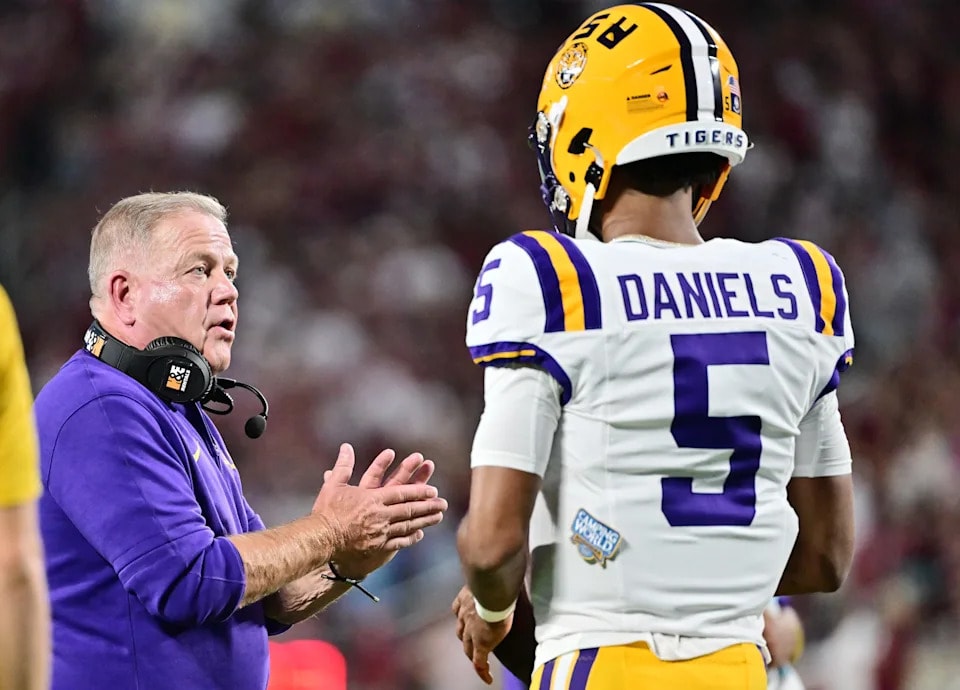
Jayden Daniels thinks he is bigger than LSU, at least that is the point of the opinion argument published Tuesday. The column treats Daniels’ postures as a symptom of a larger problem facing college football after NIL transformed player leverage, branding, and expectations. Whether or not the reader agrees with the author’s harsh tone, the central complaint lands on a familiar theme: when stars move freely to maximize their opportunities, programs can end up feeling like vendors rather than institutions.
The opinion piece looks backward at Daniels’ path through Baton Rouge, positioning LSU as a place that took a talented transfer and turned him into a defining on-field figure, one that culminated in a Heisman Trophy and later an NFL career. It then pivots to the present mindset of a player who, the author argues, is acting as if the relationship owes him rather than the other way around. The argument is less about a single disagreement and more about the culture that produces it, where public-facing confidence and contract-like thinking can become indistinguishable from accountability.
At the heart of the criticism is a perceived shift in how programs evaluate what they receive from players who arrived via the transfer portal and NIL ecosystems. LSU is presented as a case study in the sport’s contradiction: colleges can benefit from the most marketable quarterbacks while also trying to claim credit for development and team identity. In that framing, the author suggests Daniels is projecting an entitlement that clashes with the reality that LSU did the heavy lifting in turning his ability into results.
This is also, as the column emphasizes, a consequence story. The author connects the dots between modern college football’s incentives and the way those incentives can corrode old norms, even when the incentives appear rational on paper. NIL money and portal freedom create a marketplace logic: players can be influencers, businesses, and brands. Programs, meanwhile, still want to sell something more than performance, they want loyalty, cohesion, and a shared mission. The opinion claims that mismatch produces friction and leaves the audience to choke down the next “unintended consequence.”
There is a separate tension embedded in the comparison between “development” and “transaction.” LSU, in the author’s view, developed Daniels from an imperfect but talented piece into a winner. But modern fandom increasingly evaluates players through an economic lens, and public discourse can start to sound like a negotiation about who contributed what. When a star believes the narrative should follow him, he is exercising power. When a program expects gratitude or adherence to team culture, it is trying to enforce identity. The conflict is easy to dramatize, and easy to misunderstand.
For fans, the Daniels-LSU framing functions as a preview of what to watch across college football this season and beyond: how quarterbacks talk, how they position their legacy, and how institutions respond when the marketplace rewards personal leverage. If NIL keeps encouraging players to think in brand terms, programs will have to do more than recruit talent and sell tradition. They will also have to manage expectations, communicate value consistently, and protect team culture without sounding like they are policing athletes’ agency.
For LSU, the broader issue is about credibility. Even if a star’s confidence is justified, a program still must ensure that its quarterback room and leadership culture reinforce the team-first identity that makes college football feel different from pro sports. If the sport becomes primarily about who can demand the most, then “bigger than the program” starts to sound like the default, not an exception. The author’s central warning is that this shift will keep happening, and it will keep coming with a cost.
Why It Matters
- It highlights a persistent tension in college football, where NIL and transfer freedom reshape expectations of loyalty and credit.
- Quarterback leadership narratives increasingly influence how fans and players perceive program value and identity.
- The opinion underscores how cultural conflicts can become just as important as on-field performance in recruiting and roster-building.
- It suggests the sport will continue producing similar storylines as the incentives for personal branding expand.
Key Facts
- The story is an opinion piece centered on Jayden Daniels and his view of his relationship to LSU.
- The column describes LSU as the place that turned Daniels into a Heisman Trophy winner and later an NFL star.
- The author argues Daniels’ stance reflects a broader pattern in college football’s NIL era.
- The piece frames the situation as an example of unintended consequences tied to modern player leverage.