
THE APEX TIMES
Jazz’ youth-first reset shifts Northwest Division attention, Warriors recalibrate offseason focus
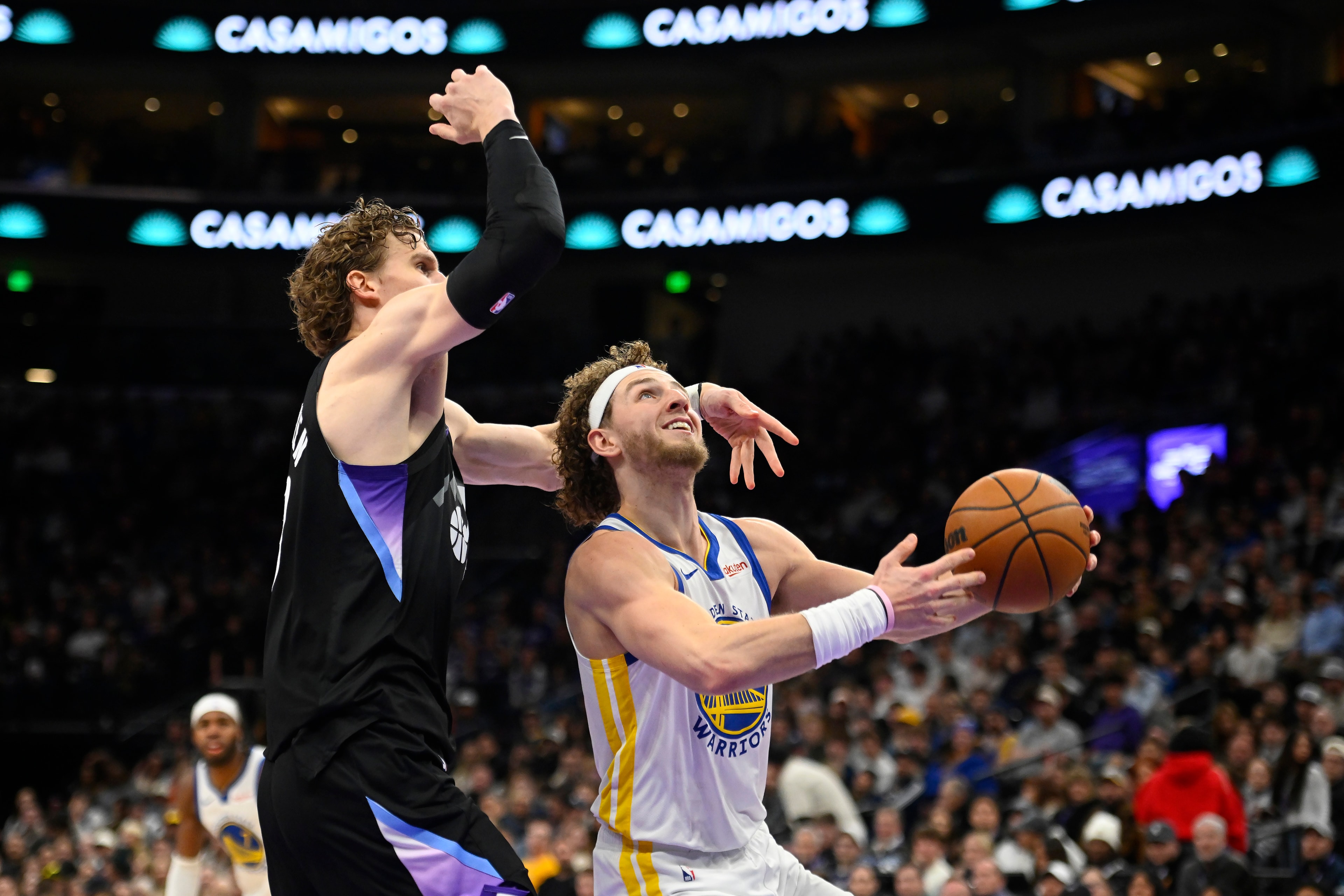
Utah’s offseason direction is being framed as an intentional acceleration of a younger core, fueled by draft flexibility. The ripple effect reaches Golden State as the Warriors look for the right matchups and roster posture in a division that is steadily moving on from the idea of “waiting your turn.”
The Northwest Division storyline is getting a new center of gravity as the Utah Jazz move from long-building toward a clearer youth-forward approach. In a division that has repeatedly punished teams that lag the league’s pace and defensive rotations, the Jazz’s plan is being described as an effort to activate a younger core, lean into development, and use the franchise’s draft resources as leverage to keep options open.
For Golden State, that matters because the Warriors’ recent identity has never been just about individual talent. It has been about timing, continuity, and the ability to impose a style before opponents can fully adjust. If Utah’s youth movement is real and consistent, the Warriors will likely find more games where opponents are not playing “against the past,” but rather pressing advantages that come from energy, length, and learning in real time.
The Jazz framing being circulated is not subtle. The emphasis is on “a plan,” “a young core,” and “plenty of picks,” which suggests Utah wants to increase reps and shorten the distance between where a player starts and where the roster can expect him to fit. That is the kind of offseason design that can change how opponents scout: fewer possessions can be treated as developmental freebies, because the Jazz are aiming to turn growth into structure rather than hope.
In a division watch sweep, the point is also made indirectly through tone. The Warriors are described as needing to start paying attention, which implies that Utah is not merely tinkering. Instead, the Jazz are positioning themselves as an ongoing threat to the teams that have relied on steady veteran pacing and familiar scouting patterns over the last few seasons.
Utah’s youth-first pivot also fits the modern NBA’s reality that roster value is often created through two-way responsibilities. Young teams can struggle with discipline early, but the best version of this build is what happens when athletic advantages and defensive communication begin to align, especially late in games when the league’s better offenses force cleaner reads and tighter closeouts. If the Jazz are truly prioritizing activation of that core, the division will learn quickly whether the plan is development-first or development-plus-structure.
Golden State, meanwhile, enters any offseason looking for advantages in the games that define standings and playoff positioning. Even without specific transaction details in the available write-up, the practical takeaway is clear: Utah’s stated direction is likely to increase uncertainty for teams that want predictable rotations from year to year. If the Jazz are leaning on picks, that typically indicates an intent to maintain upside while also being able to fill roster gaps as weaknesses emerge.
The division’s “title picture” ripple is that the Northwest is not standing still. A youth movement in Utah can compress timelines for how quickly a team reaches competence, and it can also raise the floor of matchups by forcing opponents to defend more live possessions. For the Warriors, the challenge is to make sure their own search for championship form does not assume the league will stay in the same familiar shape.
What to watch next is whether Utah’s youth activation shows up as consistent lineup usage and coherent roles, not just individual flashes. The second test is how Golden State responds, including whether it adjusts its preparation for speed, length, and switch-heavy actions. If Utah’s approach translates into repeatable stretches, the Northwest Division conversation will shift from “who is rebuilding” to “who is ready to compete.”
Why It Matters
- Utah’s youth-first plan could change how quickly the Jazz become difficult matchups within the Northwest Division.
- A higher developmental tempo can reduce “scouting certainty” for veteran contenders, forcing new game plans.
- If Utah’s approach creates more two-way structure, it can reshape standings pressure in games between division opponents.
- For the Warriors, the key is whether their own roster and scheme preparation matches the division’s evolving pace and defensive demands.
Sources
Key Facts
- A Northwest Division preview frames the Utah Jazz offseason as centered on activating a younger core.
- The same preview describes Utah as having a plan and draft flexibility, characterizing it as “plenty of picks.”
- The preview suggests other division teams, including the Golden State Warriors, should take Utah’s direction seriously.
- The article is presented as a division-by-division offseason tour focused on how teams are changing their competitive posture.