
THE APEX TIMES
Jeff Hafley’s message in Miami: measure progress by development, not just wins
With a new general manager and head coach setting a fresh course, the Dolphins are framing the near term as a building project rather than a results-only evaluation.
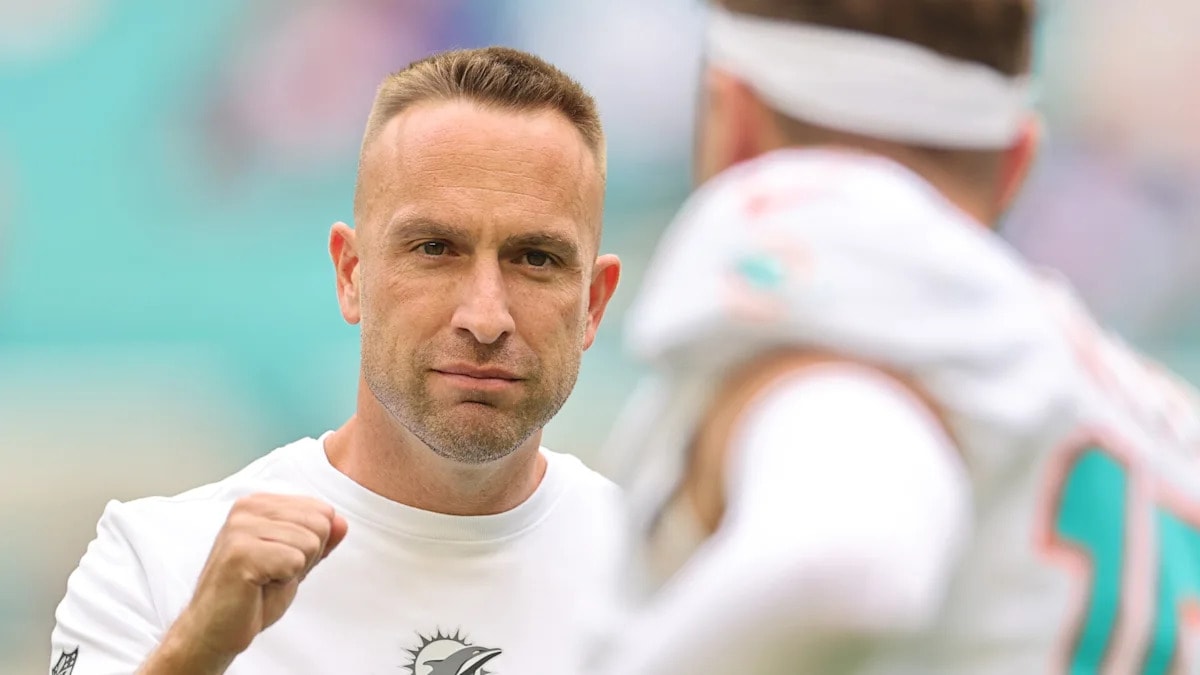
The Miami Dolphins’ coaching message this year is clear: the organization says it will judge progress less by the win-loss record and more by whether players improve and develop into reliable, repeatable contributors. Jeff Hafley, now leading the team as head coach, is emphasizing that the roster’s growth and on-field habits matter as much as immediate outcomes, particularly after a stretch in which the Dolphins have not consistently reached the standard the franchise expects.
The backdrop for that stance is change in the decision-making structure. The article points to Jon-Eric Sullivan arriving as the Dolphins’ general manager, pairing with Hafley’s new role at the top of the coaching staff. When front office and coaching leadership both turn over at once, teams often reset how they evaluate players, how they handle teaching and repetition, and how they build a development pipeline, even if that process takes time.
Hafley’s development-first framing suggests that the Dolphins view their current phase as foundational. In practice, that usually means placing greater emphasis on fundamentals and role clarity, whether that is protecting the football, handling pressure and coverage responsibilities, or executing the same concepts with fewer mental errors. The Dolphins’ claim is not that wins do not matter, but that the club believes some of the key indicators of future success may show up before the standings do.
The Dolphins’ recent reputation for falling short in consistency is also part of the story’s logic. The article characterizes the team as having been mired in mediocrity in recent years, which helps explain why the organization is trying to reset expectations for what the immediate season represents. If the Dolphins believe their current roster and scheme still need refinement, a development-centered internal benchmark becomes a way to keep standards high without treating every game as the ultimate referendum on the coaching staff.
This is the sort of storyline that tends to evolve as the season goes on. A development narrative can sound convincing early, but it ultimately has to show up in tangible ways: players making fewer avoidable mistakes, role players expanding their production, and the team’s execution looking steadier as opponents adjust. How Miami handles that gap between “process” and “results” will likely define the conversation around Hafley.
Because this report is based on a single external media write-up and does not include primary confirmation from team or league releases in the available materials, some specifics about internal evaluation methods or concrete roster changes cannot be verified here. As a result, readers should treat the development theme as the core confirmed point, while details like exact performance milestones and timelines remain to be clarified through official Dolphins communications and subsequent reporting.
For what to watch next, the most telling test will be whether the Dolphins’ on-field decisions align with a development plan and whether younger or underperforming players respond to coaching. If Miami’s identity becomes clearer and its execution improves, the organization’s message will look like more than a rhetorical reset. If not, the team will face mounting pressure to translate process into wins, regardless of what it says now.
Why It Matters
- A development-first standard can change how fans and analysts interpret early-season struggles, especially during staff transitions.
- With new front office and coaching leadership, Miami’s process for player evaluation and role assignment may shift, affecting the roster’s trajectory.
- If the Dolphins can show measurable improvement in execution, it supports the idea that the current phase is building toward competitiveness.
- If not, Miami’s patience may shrink, increasing pressure on coaching and roster decisions as the year progresses.
Key Facts
- Jeff Hafley is presenting a development-oriented definition of success for the Miami Dolphins this season.
- The Dolphins are operating with new leadership, including general manager Jon-Eric Sullivan and Hafley as head coach.
- The article frames the Dolphins’ recent results as a reason for resetting expectations for how the team should be judged.
- The emphasis is on player growth and improvement rather than evaluating the season only by wins and losses.