
THE APEX TIMES
Jeffries presses on Trump administration’s Iran ceasefire timeline, citing repeated claims deal is “close”
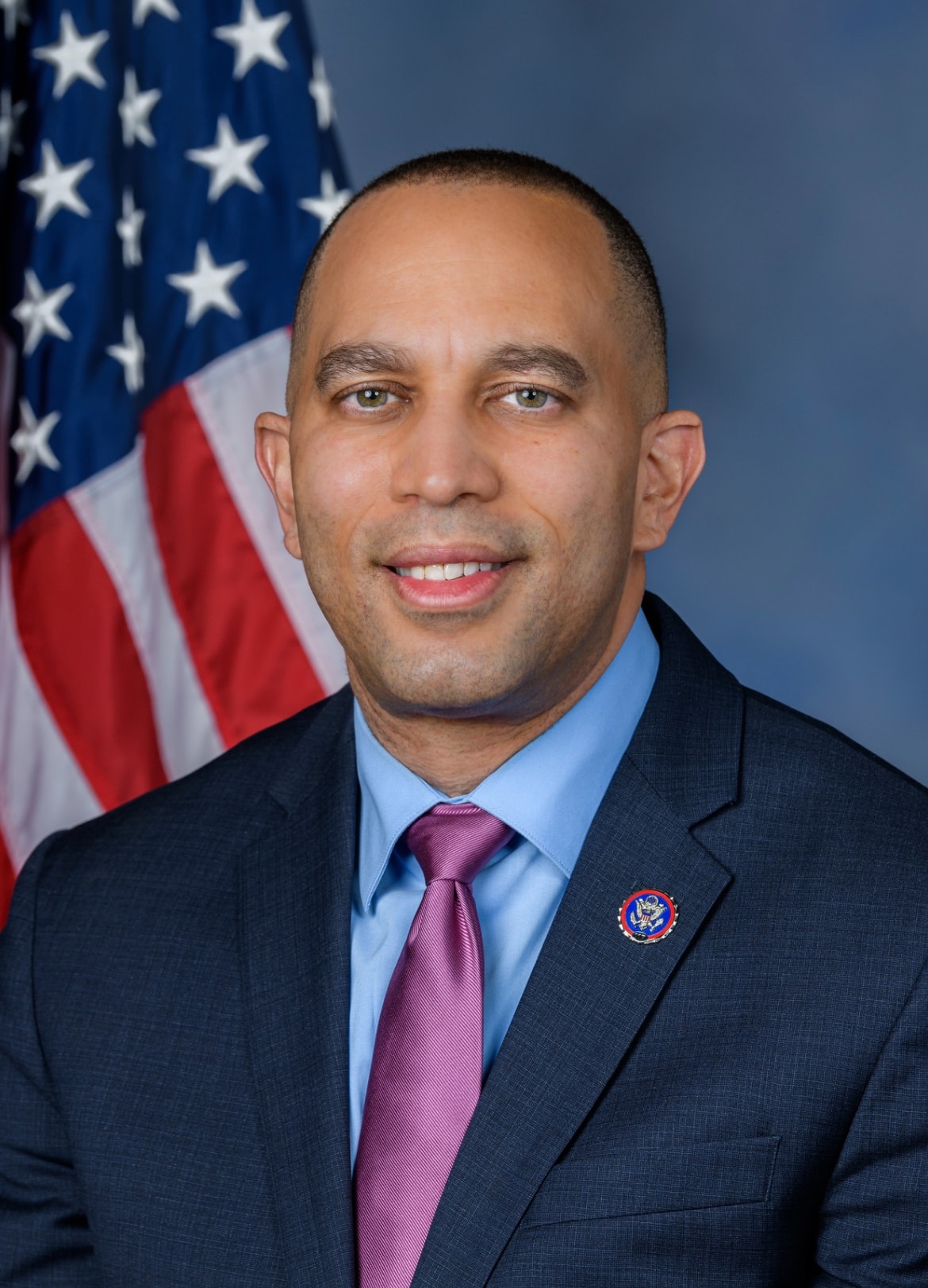
House Minority Leader Hakeem Jeffries said questions remain about the U.S. track for an Iran ceasefire and a related peace deal, after he pointed to multiple prior Trump remarks that a deal was near.
House Minority Leader Hakeem Jeffries (D-N.Y.) on Sunday raised questions about the Trump administration’s expectation that the United States and Iran will soon reach and finalize a ceasefire or broader agreement, criticizing what he described as shifting statements about how close the negotiations were to completion.
In comments reported by The Hill, Jeffries said President Donald Trump has stated the U.S. and Iran were close to a deal “38 or 39 different times.” Jeffries’ remarks were directed at the administration’s characterization of the negotiation status and the timeline for any potential ceasefire.
Jeffries’ intervention came during a period in which the administration has been indicating that it expects an eventual outcome involving a peace deal with Iran, according to the same report. Jeffries said the repeated assurances did not clarify whether a ceasefire would be implemented at a specific point or under clearly defined terms.
The question of whether a ceasefire could be reached, and what conditions would govern it, matters for congressional oversight and for how the U.S. would manage risks associated with any stop in hostilities, including enforcement and compliance. It also affects how lawmakers evaluate the administration’s approach to Iran policy and the predictability of U.S. commitments.
Jeffries’ remarks also reflect the ongoing role of congressional Democrats and the House leadership in scrutinizing executive-branch foreign policy decisions, particularly where negotiations involve consequential issues such as security guarantees and the scope of any phased commitments.
While the report focuses on Jeffries’ critique of the president’s prior comments and the administration’s stated expectations, it did not provide additional documentary details in the account of the exchange about the current status of the talks, specific draft terms, or a defined timetable for any ceasefire implementation.
In the House, Jeffries and other minority leaders typically use public remarks to demand clearer answers from the executive branch, though the precise next step on the substance of any Iran ceasefire depends on the administration’s communications to Congress and any formal actions that might follow, such as briefings, requests for consultation, or other legislative or oversight measures.
Why It Matters
- Publicly stated deal timelines and repeated assurances can affect congressional assessment of how negotiations are being managed and whether terms are stable.
- Any ceasefire would raise practical questions about compliance, enforcement, and how U.S. commitments would be measured against agreed conditions.
- The remarks highlight how House minority leadership may press for clearer information during ongoing foreign policy negotiations.
- Congressional oversight considerations may turn on whether the administration provides defined details and a verifiable implementation schedule rather than general expectations.
Sources
Key Facts
- House Minority Leader Hakeem Jeffries (D-N.Y.) questioned the prospect of an Iran ceasefire and a related peace deal.
- Jeffries said President Donald Trump has claimed the U.S. and Iran were close to a deal “38 or 39 different times.”
- Jeffries’ comments were reported by The Hill on Sunday.
- The Hill reported that the Trump administration expects the U.S. and Iran to finalize a peace deal.
- The report framed Jeffries’ critique around the administration’s statements about negotiation progress and timing.