
THE APEX TIMES
Jets set to bring T'Vondre Sweat back to practice, activating him from the non-football injury list
New York will move defensive tackle T'Vondre Sweat from the NFI list to full practice availability as he works his way back from a hamstring injury sustained ahead of training camp.
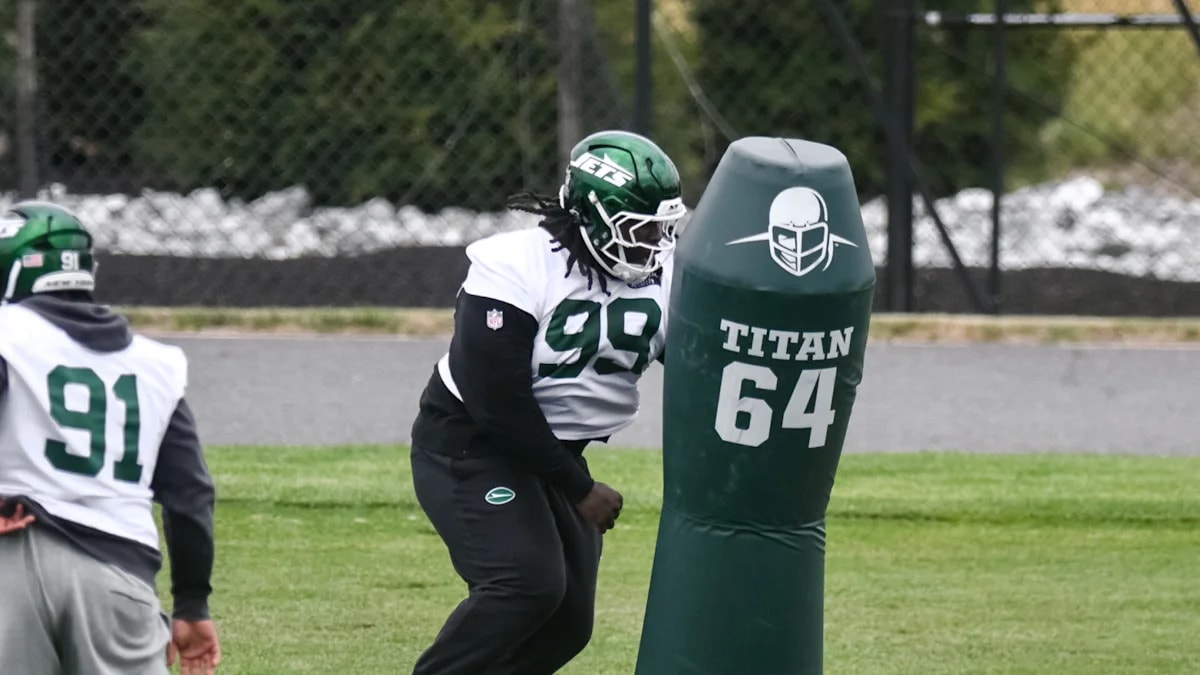
The New York Jets are expected to take a step toward full-strength defensive line work by activating defensive tackle T'Vondre Sweat from the non-football injury list, clearing the way for him to begin practicing with the team, according to Rich Cimini of as reported by Yahoo Sports on August 15, 2026. Sweat is returning from a hamstring injury that he suffered ahead of training camp, and the activation suggests the Jets believe his recovery has progressed to the point where he can rejoin team sessions.
For context, the non-football injury (NFI) list is used by NFL teams when a player is dealing with an injury that is not considered to have occurred during team football activities. While players on NFI status generally are not permitted to practice or play, activation indicates the team is transitioning that player back into the normal practice process. In other words, it is a roster management move, but it is also a football operations report that the team is preparing to evaluate the player in live work again.
Sweat’s return matters because the Jets have consistently framed the defensive front as a priority for controlling the line of scrimmage. A defensive tackle’s impact is not limited to pressure, it also influences run fits, gap integrity, and how offenses can attack the middle of the field. When a player who operates in the interior of the defensive line returns from a lower-body injury, teams often start by assessing conditioning, movement quality, and snap-to-snap consistency rather than expecting immediate game-ready output.
Because the report focuses on the activation and the general nature and timing of the injury, several details remain unspecified. Yahoo Sports and Cimini’s report do not provide a practice workload plan, whether Sweat will be limited during early sessions, or how soon the Jets would view him as an option in preseason and regular-season games. As with any activation coming off a hamstring, the Jets’ immediate next step is likely to be monitoring his health in practice while ramping up his participation progressively.
The timing also carries practical importance. Training camp is where teams sort out communication, assignments, and depth-chart clarity. Getting Sweat back to the practice field can tighten the defensive line rotation and give coaches a more reliable look at how the front functions when all pieces are available. That, in turn, can affect how the Jets structure their defensive packages, especially those built around stout interior play.
For fans, the most important thing to watch next is how Sweat’s participation looks in team drills over the coming days. Activation from the NFI list means he is expected to practice, but it does not guarantee a full workload, and it does not automatically indicate a return to peak form. The Jets will likely balance the benefits of reintegrating him early with the risk of setback that can come with premature increases in intensity.
If Sweat can build momentum during practice, the activation could help stabilize the Jets’ interior defense as the team moves deeper into the preseason evaluation window. If he instead shows limitations, it may lead the team to maintain a cautious approach to his snap counts and movement in sessions. Either way, the roster change is a concrete update on his status, and it is the clearest public indicator so far that the hamstring recovery is progressing.
For now, the Jets’ public message is simple: Sweat is set to start practicing after being activated from NFI status. What remains to be seen is how quickly he can translate practice participation into sustained performance against live offensive looks, and how the Jets adjust their defensive line depth while they do so.
Why It Matters
- Sweat’s return affects the Jets’ defensive front stability and how the team can plan interior run defense and gap responsibilities.
- Reintroducing him to team drills can improve the clarity of defensive line rotations and package groupings during camp.
- Hamstring recoveries often determine how quickly a player can return to full intensity, making his next-practice workload a key development.
- The Jets’ ability to evaluate Sweat in live work can shape how they build depth behind their starting interior options as the preseason unfolds.
Key Facts
- The Jets are expected to activate defensive tackle T'Vondre Sweat from the non-football injury (NFI) list, allowing him to start practicing.
- The activation was reported by Rich Cimini of and relayed by Yahoo Sports on August 15, 2026.
- Sweat is returning from a hamstring injury he suffered ahead of training camp.
- Activation from the NFI list indicates the team believes the player’s recovery has progressed enough to rejoin practice.
- The report does not specify any practice limitations or timing for game action.