
THE APEX TIMES
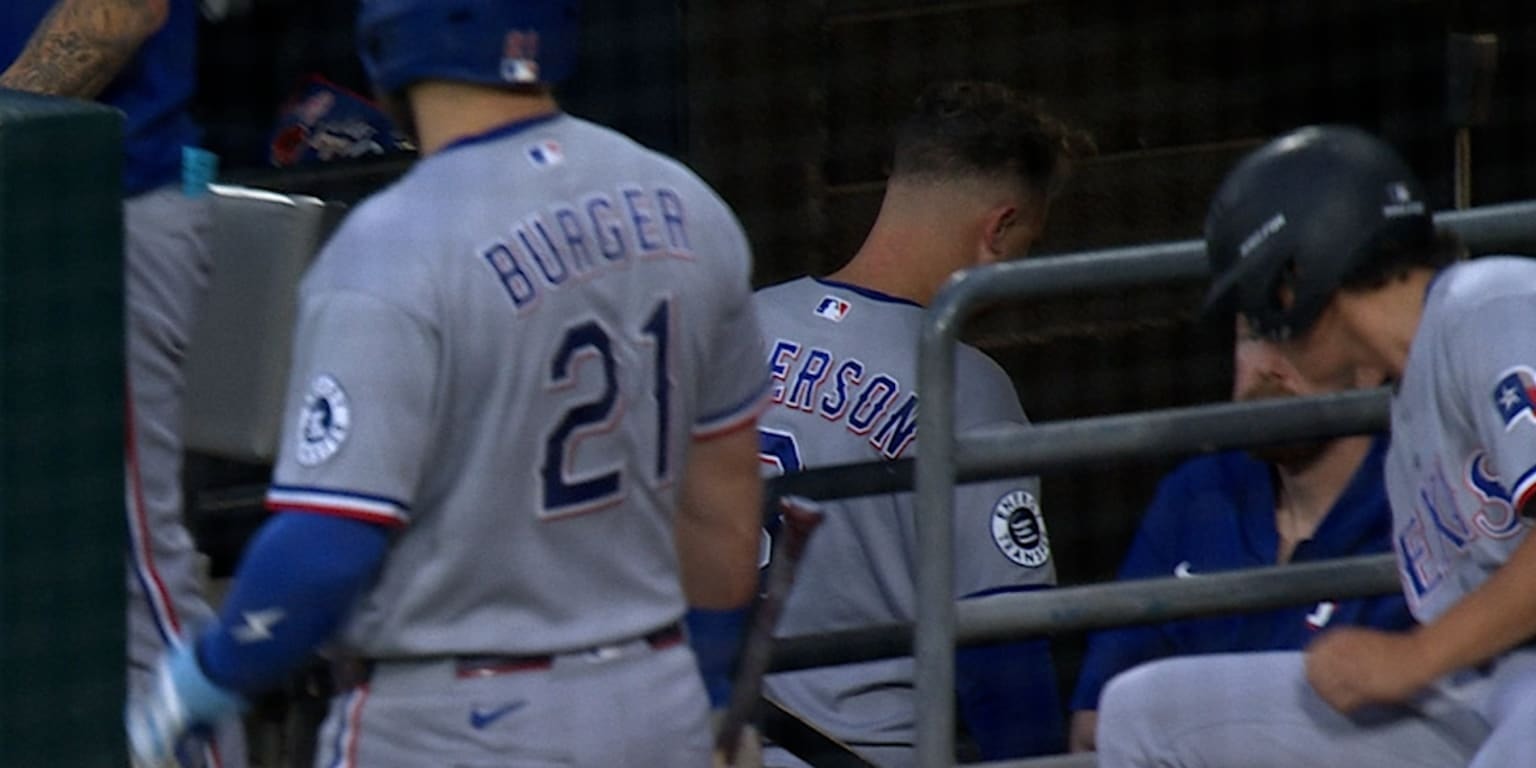
Joc Pederson ejected for arguing from dugout during Rangers-White Sox game
Home-plate umpire Chris Guccione denied an earlier attempted challenge, and the disagreement escalated later in the second inning as Evan Carter came to bat.
CHICAGO, Aug. 24, 2026 (Apex Times) - The Rangers’ night at Guaranteed Rate Field took an early turn when designated hitter Joc Pederson was ejected in the second inning against the White Sox. The sequence began with Pederson trying to challenge a called strike three earlier in the frame, only to have home-plate umpire Chris Guccione deny the attempt.
According to MLB’s game reporting, Guccione’s refusal on the called third strike set the tone for what followed. Five batters later, during Evan Carter’s at-bat, Guccione issued the ejection to Pederson. The move effectively moved the argument from the strike zone to the dugout, where Pederson appeared to direct further words toward the umpire.
The reported timing matters because the second inning can quickly become a leverage point for both clubs. With the game still in its early stages, any extended delay or disruption can affect rhythm at the plate and the way a bullpen manages upcoming innings, even if the immediate at-bats and baserunning do not materially change the overall tempo.
For the White Sox, the ejection was another instance of how fast umpire decisions can shape the emotional temperature of a game. Guccione’s role in both the denied challenge and the later ejection put him at the center of the exchange, and the second-inning backdrop meant the interaction carried weight well beyond a single batter’s outcome.
For the Rangers, Pederson’s ejection meant the team had to recalibrate without its designated hitter for the remainder of his night. The club also had to absorb the distraction in a frame that included Evan Carter’s plate appearance, with the confrontation unfolding before the inning fully settled.
Pederson’s earlier attempt to challenge also highlights the procedural side of modern MLB at-bats. When a manager or hitter believes a call is incorrect, a denied challenge can quickly turn into a test of patience, particularly when the home plate umpire believes the play is not reviewable or that the evidence does not support overturning the ruling.
What to watch next is how each team responds in the following innings, especially in the strike-zone and dugout-management department. The next time a called strike matters, the contrast between Pederson and the Rangers’ on-deck approach could be a useful indicator of whether the confrontation changes the way the Rangers view close pitches.
For MLB, the quick progression from denied challenge to ejection reinforces that exchanges do not always stay confined to the moment of a single call. Here, the reported escalation shows how quickly frustration, interpretation, and communication can combine in a game’s early innings.
Why It Matters
- An early ejection can disrupt a team’s lineup stability and in-game strategy, especially when it happens in the second inning.
- When an umpire denies a challenge and then issues an ejection later, it can shift how both teams manage the strike zone and approach at the plate.
- The Rangers had to adjust their designated hitter usage after Pederson’s removal from the game.
- Incidents like this can also influence how dugouts communicate with officials in subsequent at-bats, affecting pacing and decision-making.
Sources
Key Facts
- Rangers designated hitter Joc Pederson was ejected during the second inning against the White Sox.
- Home-plate umpire Chris Guccione denied Pederson’s attempted challenge on a called strike three earlier in the frame.
- Guccione ejected Pederson during Evan Carter’s at-bat five batters later.
- The ejection followed an apparent conversation involving Pederson from the dugout.
- The game took place in Chicago against the White Sox.