
THE APEX TIMES
Joel Klatt questions Arch Manning’s impact at Texas, says offense fit is better with Quinn Ewers
The FOX analyst argued the Longhorns’ style looks sharper with Ewers running the offense, and said Manning is not meeting the standard fans expected.
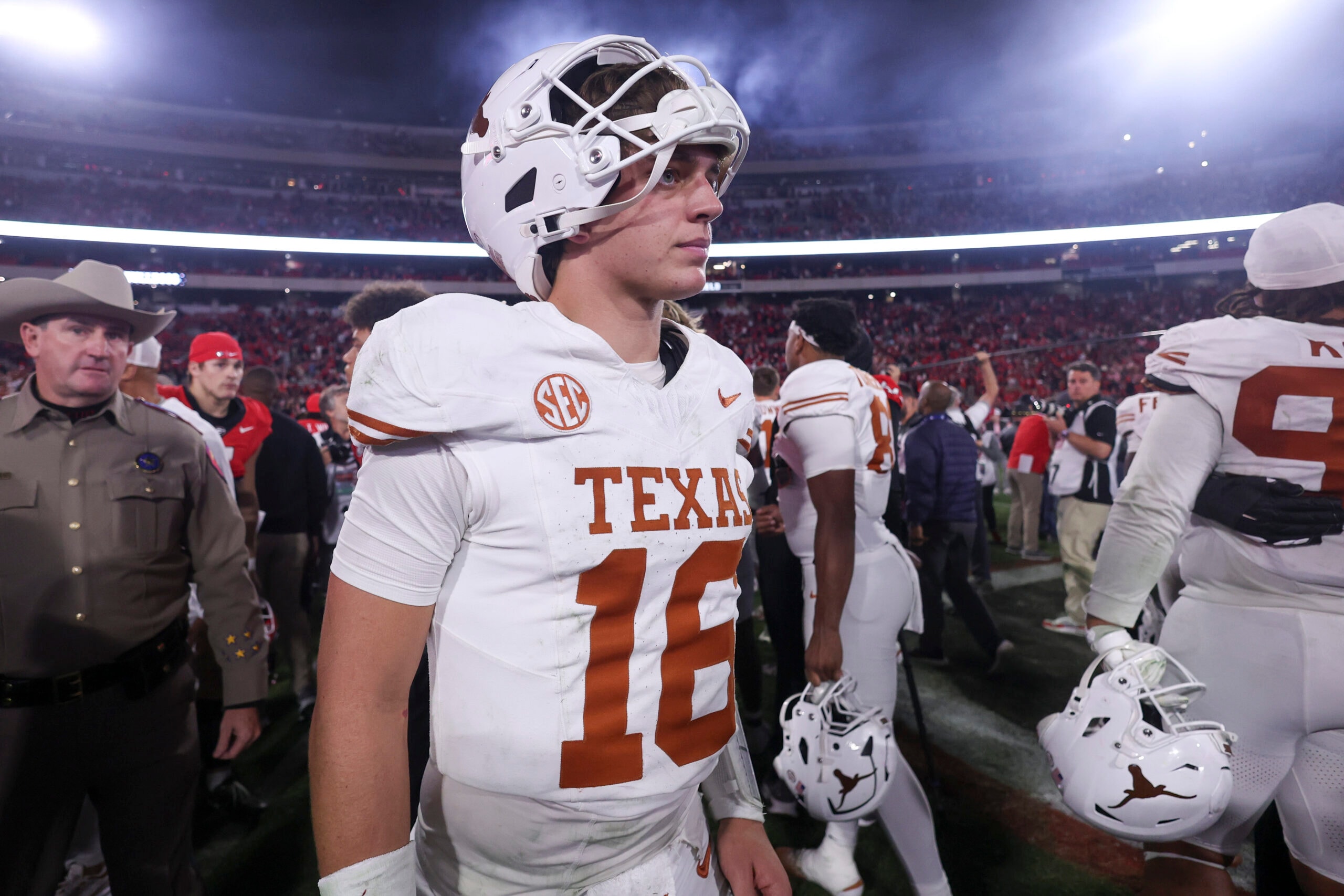
Texas is again in the national spotlight for quarterback fit, with FOX analyst Joel Klatt publicly questioning how well Arch Manning has been translating his ceiling into game-to-game impact. In a post following the latest Longhorns game, Klatt argued that Texas’s offense looked better with Quinn Ewers, positioning the quarterback question as more than a fan preference and closer to a systems-and-timing issue.
Klatt’s critique was framed around expectations. The thrust of his argument, as reported, was not simply that Manning has had a tough stretch, but that he is not playing up to the standard that surrounds his name. Klatt, a former quarterback himself and a long-time college football analyst, used the language of performance against a baseline, suggesting the offense’s rhythm does not have the same feel when Manning is the primary trigger.
The Manning versus Ewers debate matters in part because Texas has spent multiple seasons building an identity around how its quarterback decisions shape the whole playbook. At a program that recruits at a high level and expects instant production, small differences in timing and ball placement can change third-down conversions, explosive play opportunities, and how defenses respond to play-action and tempo.
Ewers, meanwhile, is the reference point in Klatt’s argument, with the analyst contending that Texas’s offense was sharper with him involved. That kind of comment usually lands less as a tactical diagram and more as a broadcast diagnosis, a way of telling viewers that the offense’s execution and decision-making seemed cleaner during Ewers’s time operating it.
It is also worth noting what Klatt’s comments are and are not. They are media analysis and opinion, not an official depth chart announcement, and the reported article does not provide new team statements, roster moves, or statistical comparisons. Still, when a high-profile analyst makes a blunt assessment on national television, it can influence how quickly fans and pundits interpret each subsequent offensive possession.
For Texas, the quarterback storyline is likely to remain a focal point as the season moves forward, especially in high-leverage games where offensive identity and consistency are tested. If the Longhorns want to reduce outside debate, the most direct answer will come from sustained execution: decisive reads, clean timing, and enough big-play creation to keep defensive coordinators from dictating the game plan.
What to watch next is whether Texas’s offense shows a consistent feel regardless of who starts, or whether the Manning-era look will continue to be characterized as less fluid. If Klatt’s argument resonates with the broader football audience, it could intensify scrutiny immediately, but Texas’s response will still be measured on performance, not commentary.
Why It Matters
- Quarterback fit can determine how efficiently a team runs its full playbook, especially in systems built around timing and decision-making.
- High-profile public critique can increase pressure on a starting quarterback and accelerate fan scrutiny of subsequent games.
- A quarterback narrative can shape how opponents prepare week to week, including defensive choices on coverage and pressure schemes.
- At a program with national expectations, the public perception of offensive sharpness can affect the tone of internal and external evaluations.
- The next proving ground for Texas will be whether offensive execution improves enough to shift the conversation back to team results.
Sources
Key Facts
- Joel Klatt made public comments criticizing Arch Manning’s performance level at Texas.
- Klatt argued Texas’s offense was better with Quinn Ewers.
- The remarks were presented as analysis by a FOX college football commentator.
- The reported discussion centers on perceived expectations not being met by Manning.
- The article is opinion-based and does not, in the provided information, cite official team decisions or transaction details.