
THE APEX TIMES
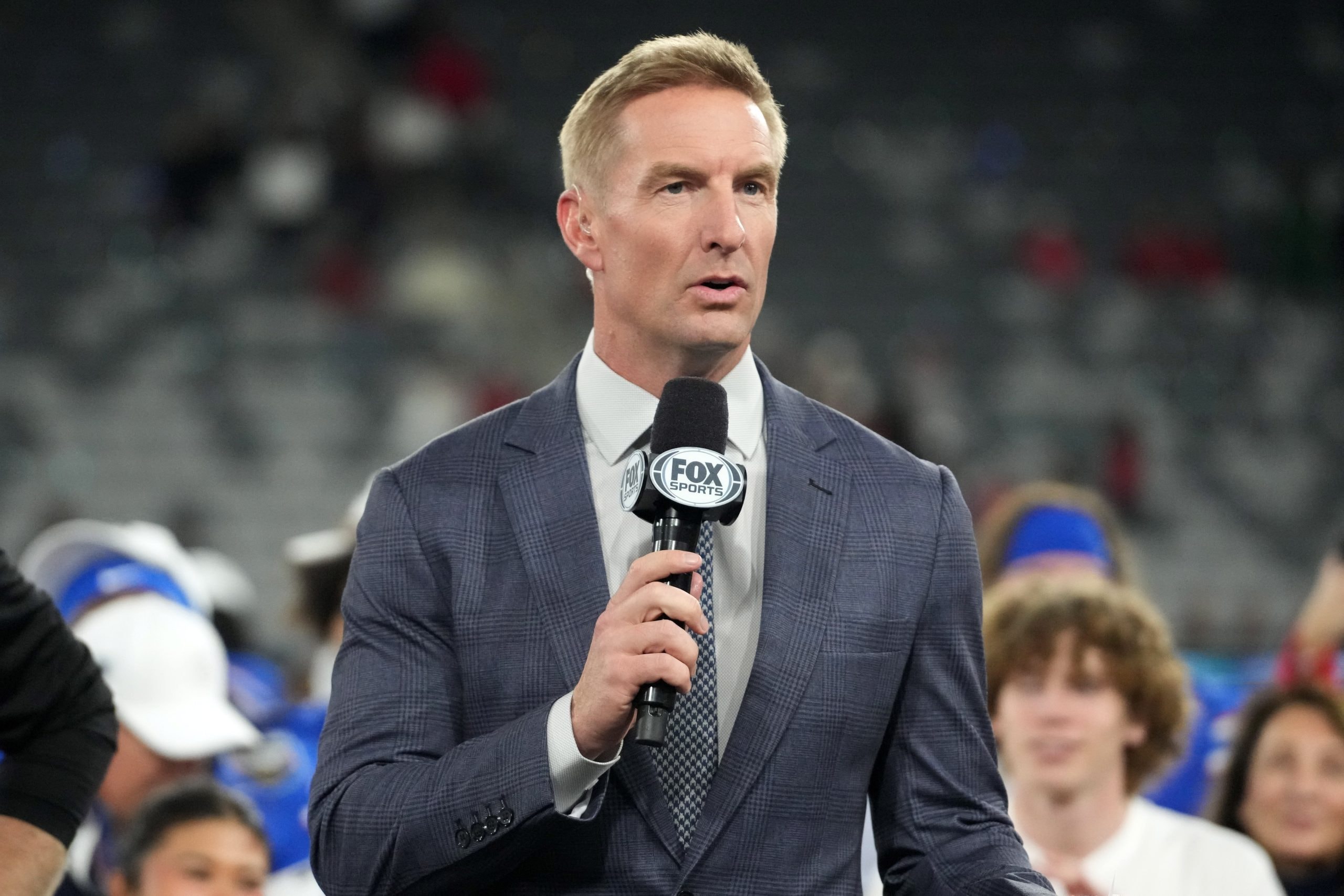
Joel Klatt’s 2026 quarterback projection puts Trinidad Chambliss in the elite tier for Ole Miss
In a new June 24 analysis, Joel Klatt argues Ole Miss’ Trinidad Chambliss has the traits to take a step forward and finish the 2026 season among the nation’s top quarterbacks.
Ole Miss’ starting quarterback picture for 2026 just got a public upgrade from one of college football’s most visible voices. In a June 24 piece, Joel Klatt explained why Trinidad Chambliss should be considered a top-five quarterback entering the 2026 season, framing his return as an opportunity for additional growth as the Rebels’ offense centers on his leadership.
The core of Klatt’s argument is developmental. He did not present the evaluation as a one-time flash or a ceiling argument so much as a progression story, suggesting Chambliss has already shown enough to be counted among the best, but also that his best football could still come in the next season. That framing matters because it puts the spotlight on repeatable improvement rather than a single highlight run.
For a program like Ole Miss, the quarterback role is both a performance job and a command role. Klatt’s emphasis on Chambliss returning to lead indicates that the Rebels are planning to lean on the same offensive identity while asking the quarterback to raise the level of decision-making, processing speed, and leadership responsibilities. When analysts call a quarterback “top five” going into a season, they are typically grading more than raw production. The bigger question becomes whether the player can consistently drive the offense against defenses that will study the film from the prior year.
Klatt’s evaluation also implicitly addresses the way top quarterbacks separate themselves in the season-long grind. The difference between “good” and “elite” is often how a quarterback performs when the game plan adjusts against him. Klatt’s belief that Chambliss can “take it up a few more notches” points to an expectation that he will handle those adjustments without losing efficiency or tempo, even if play designs and coverages change from week to week.
There is also a recruiting-and-roster context to a projection like this. When the national conversation starts treating a quarterback as a top-tier piece of a team’s identity, it tends to change how quickly the program attracts complementary talent and how it builds depth behind the starter. Even without making specific claims about roster changes, the quarterback is the reference point around which coordinators structure the offense, and the offseason focus typically follows that reality.
Still, Klatt’s list-based ranking is an early-season view, not a final-season verdict. The practical test will be whether Chambliss can sustain performance as opponents make him a priority and the Rebels’ offensive line and skill groups run the timing patterns at full speed. A quarterback’s leap in one analyst’s projection can translate, or it can collide with the usual variables of college football, including scheme matchups, execution consistency, and the health of the surrounding cast.
What to watch next is straightforward: Ole Miss’ quarterback command in live situations, how Chambliss responds when the protection breaks down or when second-half adjustments force different reads, and whether the offense shows more efficiency in scripted early downs as well as in extended drives. If Klatt is right, those are the markers of a quarterback who not only has highlights, but also has control over the game flow that separates top-five preseason talk from postseason results.
Why It Matters
- A top-five preseason projection raises expectations for Ole Miss’ offense and increases the margin for execution.
- If Chambliss fulfills the leap, the Rebels’ path in the SEC and to postseason contention becomes more quarterback-driven.
- Preseason elite labels often shape how defenses prioritize a team’s offensive game plan early in the schedule.
- The 2026 season will reveal whether the next developmental step Klatt anticipates shows up in consistent, matchup-proof production.
Sources
Key Facts
- Joel Klatt said Trinidad Chambliss should be considered a top-five quarterback entering the 2026 season.
- The analysis was published June 24 by Saturday Down South.
- Klatt’s reasoning centers on the idea that Chambliss can take further steps forward in 2026.
- The piece frames Chambliss’ return as him continuing to lead Ole Miss’ offense.