
THE APEX TIMES
Joel Klatt updates his college football Top 10 after Week 6 chaos
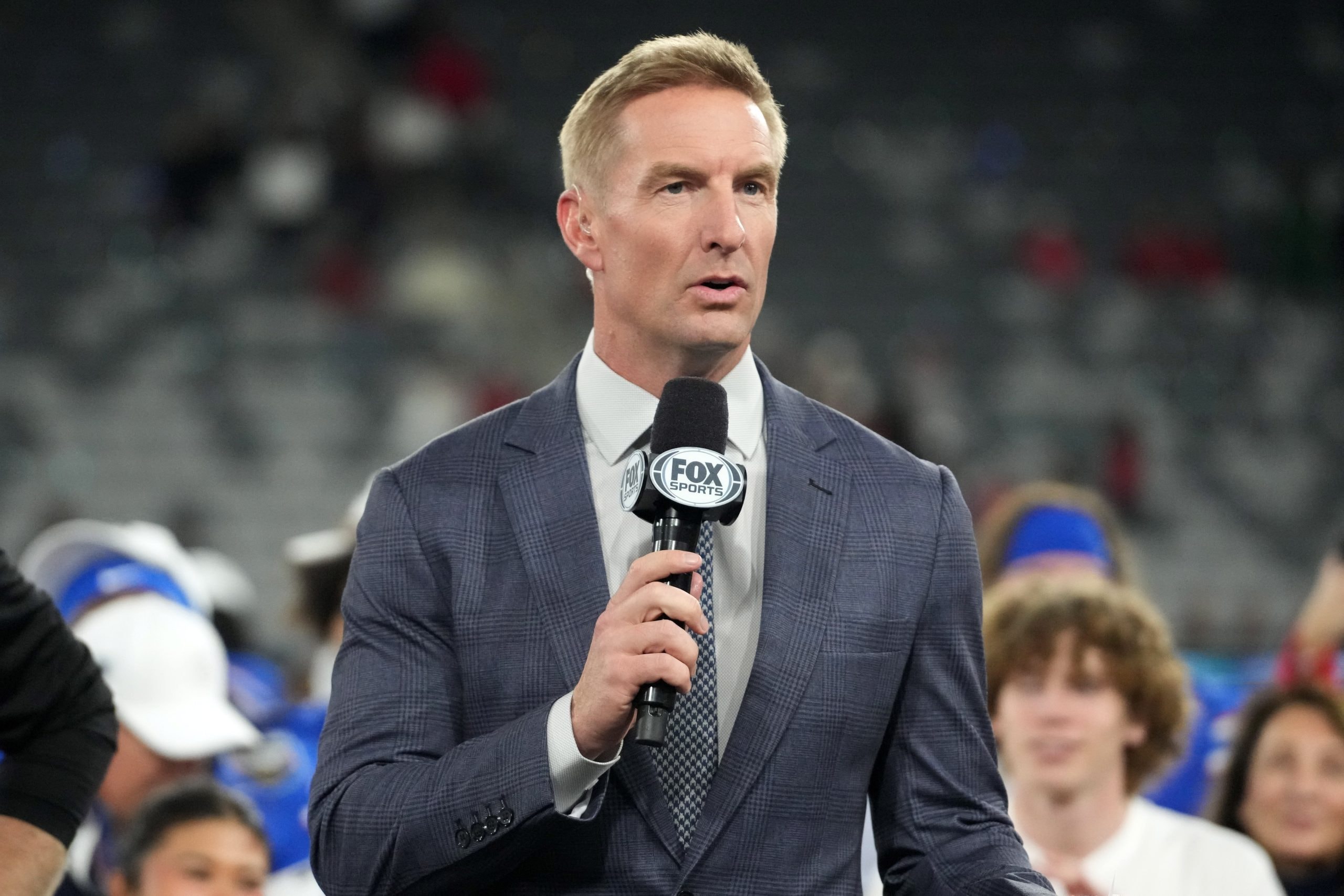
The Fox Sports analyst reworked his national Top 10 following another volatile Saturday of results, reshuffling the teams he believes best combine playmaking, consistency, and overall profile.
Joel Klatt’s latest national Top 10 came after what he characterized as a “wild” Week 6 in college football, a slate that again produced reshaping results for the sport’s title picture. In updating his ranking, the Fox Sports analyst essentially treated the week as a sorting mechanism, moving teams up or down based on what they looked like against their opponents, how they handled momentum swings, and whether their performance suggested sustainable separation rather than one-off execution.
The key idea behind Klatt’s Top 10 is not simply who won on a given Saturday, but what those wins revealed. In a season where early positioning can quickly become stale, an analyst ranking functions as a running assessment of quality, not a final verdict. Klatt’s decision to publish a refreshed Top 10 after Week 6 indicates his view that the evidence produced by the week was substantial enough to warrant a meaningful re-ordering rather than minor tweaks.
Week 6 mattered in part because it continued the common theme of the 2026 season cycle: contenders are increasingly defined by how they respond after they are tested. When matchups go sideways, voters and viewers often focus on the final margin, but ranking models tied to eye test and context tend to prioritize traits such as offensive efficiency, defensive leverage, quarterback decision-making, and whether a team can maintain identity after a sudden change in the game script.
Klatt’s column on the updated Top 10 also reflects how national rankings are influenced by volatility across the sport. Every week brings its own set of standout performances, and some teams use one game to answer questions that existed from earlier weeks. Others use a loss or a sluggish stretch to create new concerns, forcing analysts to weigh whether a team’s earlier resume still holds up under fresh evidence.
Even without turning this into a strict measuring stick for the College Football Playoff, the Top 10 conversation has practical impacts. It influences recruiting narratives, media framing, and public expectations, particularly when the ranking is repeatedly refreshed during the same stretch of conference play. For fans, it offers a concise national snapshot of who is most likely to keep climbing, and for programs it becomes another external scoreboard that can shape how their season storyline is told.
As the season moves beyond Week 6, the next question is whether the teams Klatt placed in the top tier can validate their position over multiple weeks, especially against conference competition that tends to reduce the number of “statement games.” Rankings will almost certainly continue to fluctuate as more data accumulates, but the teams that demonstrate repeatable performance tend to be the ones that survive the reshuffling.
For readers tracking Klatt’s ranking, the most important thing to watch next is not only where teams land, but whether their movement aligns with consistent themes. The best predictor of staying power is how teams perform in the weeks that follow a repositioning, not just how they look when the spotlight first hits. Klatt’s updated Top 10 offers the latest snapshot of his interpretation of that question after Week 6.
Why It Matters
- National Top 10 lists help shape how fans and media interpret the title race before the playoff committee’s final determinations.
- Frequent reshuffling during the middle of the season underscores how quickly early season form can change.
- Klatt’s approach emphasizes broader team quality indicates, which can differ from simple win-loss records.
- As conference play deepens, ranking movement becomes a proxy for how teams handle sustained competition, not isolated moments.
Key Facts
- Fox Sports analyst Joel Klatt released an updated national Top 10 after Week 6.
- The update came in response to results from a week characterized by Klatt as “wild.”
- The ranking reorders teams based on Klatt’s assessment following the latest slate of games.
- The article frames the update as a refreshed view of the national picture rather than a minor adjustment.
- Klatt’s Top 10 is presented as an ongoing evaluation during the season, reflecting how Week-to-Week results change perceptions.