
THE APEX TIMES
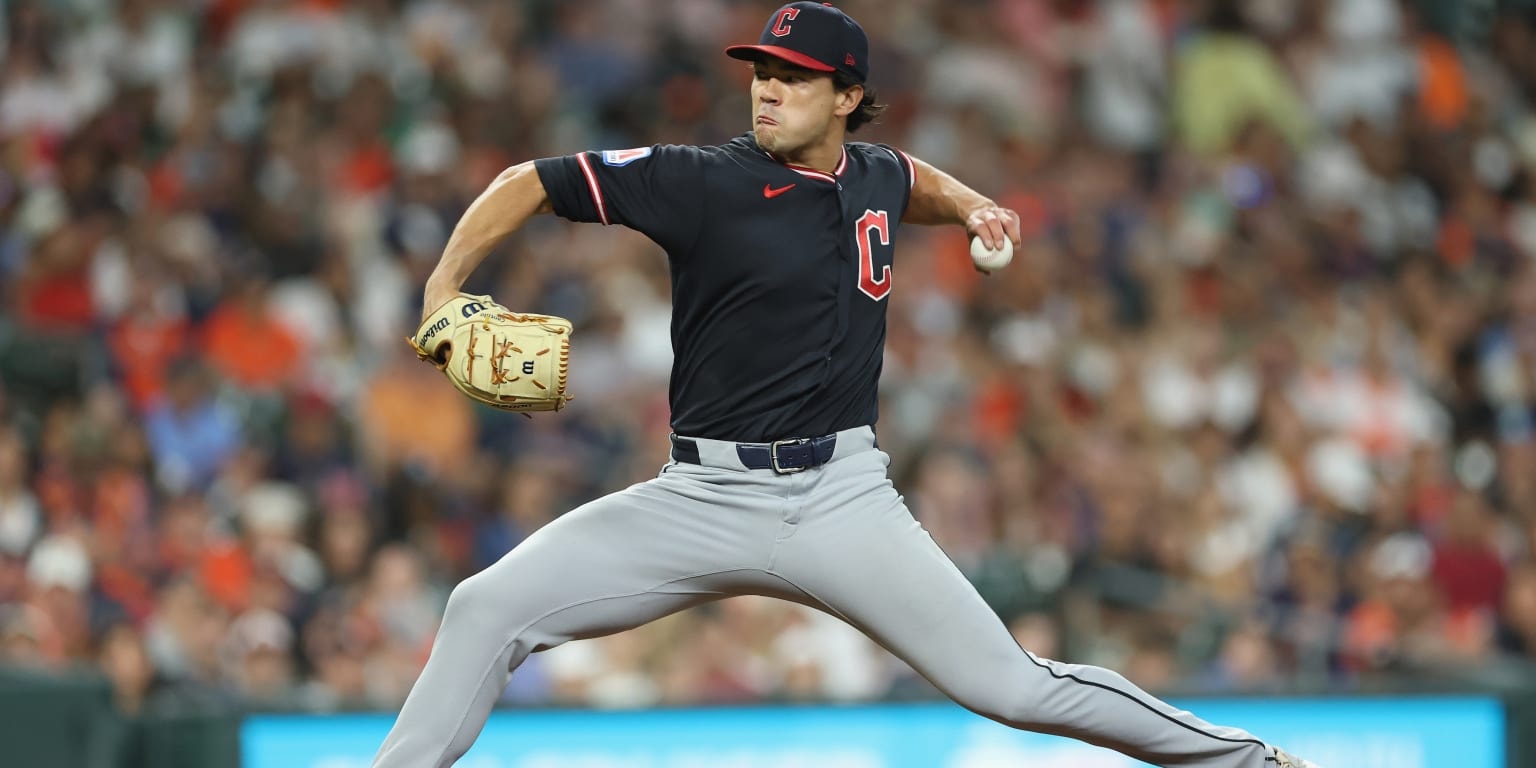
In a start that leaned heavily on his breaking ball, Houston right-hander Joey Cantillo threw a personal- and league-best amount of curveballs, turning an off-speed pitch into the centerpiece of his outing against Cleveland.
Houston right-hander Joey Cantillo is getting a new nickname in real time, and it is built around one pitch. In a game against the Cleveland Guardians, Cantillo logged 44 curveballs, a figure MLB listed as a 2026 season high. The number stood out even to casual viewers, according to the league report, which framed the outing as one where his curveball usage was noticeably beyond what fans typically see from a starting pitcher.
The release described the pitch mix as the story of the day. For batters and observers alike, Cantillo’s curveball frequency changed what the at-bat looked like. Instead of treating the breaking ball as a secondary option, he leaned on it early and often enough that it became the clearest visual pattern in the game.
That matters in practical terms because curveball-heavy approaches can force hitters to make more decisions in a shorter time window. If an opponent feels like the curve is coming more frequently, they may begin to commit to the timing it requires, even while the pitcher still works to keep them off balance with command and location. The MLB report did not position Cantillo’s performance as a single moment or one swing, but as a sustained plan expressed through pitch volume.
Cantillo’s outing also carried an extra layer of intrigue because it drew attention from the teams involved. The report specifically tied the effect of the curveball usage to viewers watching from the Guardians side, highlighting how recognizable the change in his approach became. In matchup terms, that is the kind of stylistic report teams try to interpret quickly, then adjust for across the series if a pitcher’s tendencies show up again.
For the Astros, the broader takeaway is how valuable a reliable breaking ball can be when it is the dominant weapon rather than a complement. Starters do not always control every variable, but pitch identity and repeatable mechanics allow them to shape at-bats, especially when the curveball is thrown with consistency. A start like this can also affect how opposing lineups see the pitcher from the first at-bat onward.
For Cleveland, a curveball tilt creates its own challenges because it compresses the margin for error. If Cantillo can repeatedly get the pitch to the same general regions of the strike zone or around it, hitters have to be disciplined with their swings and their pitch recognition. Even when a pitcher is not always perfect, frequent curveball use can make it harder for a lineup to settle into a predictable rhythm.
What to watch next is whether Cantillo can sustain the pattern and, just as importantly, whether hitters and catchers on the opposing side treat this as a one-game anomaly or a real adjustment. The MLB season-high number sets the bar for his curveball workload in 2026, but the long-term story will be how often he can use that pitch as a primary lever without losing effectiveness as batters get more looks.
If Cantillo’s curveball volume remains a central feature, it gives the Astros a clear image of what his starts can look like when he is in control, and it gives opponents a clearer scouting question to answer: can the next game force him to abandon the “Joey Curves” blueprint, or will it stay planted at the center of his repertoire?