
THE APEX TIMES
Joey Votto tells struggling stars to “push through” early season slumps, using his own hitting history as a guide
The Reds great discussed why a rocky start does not automatically foreshadow a lost season, pointing to the day-to-day nature of hitting and the importance of habits over short-term numbers.
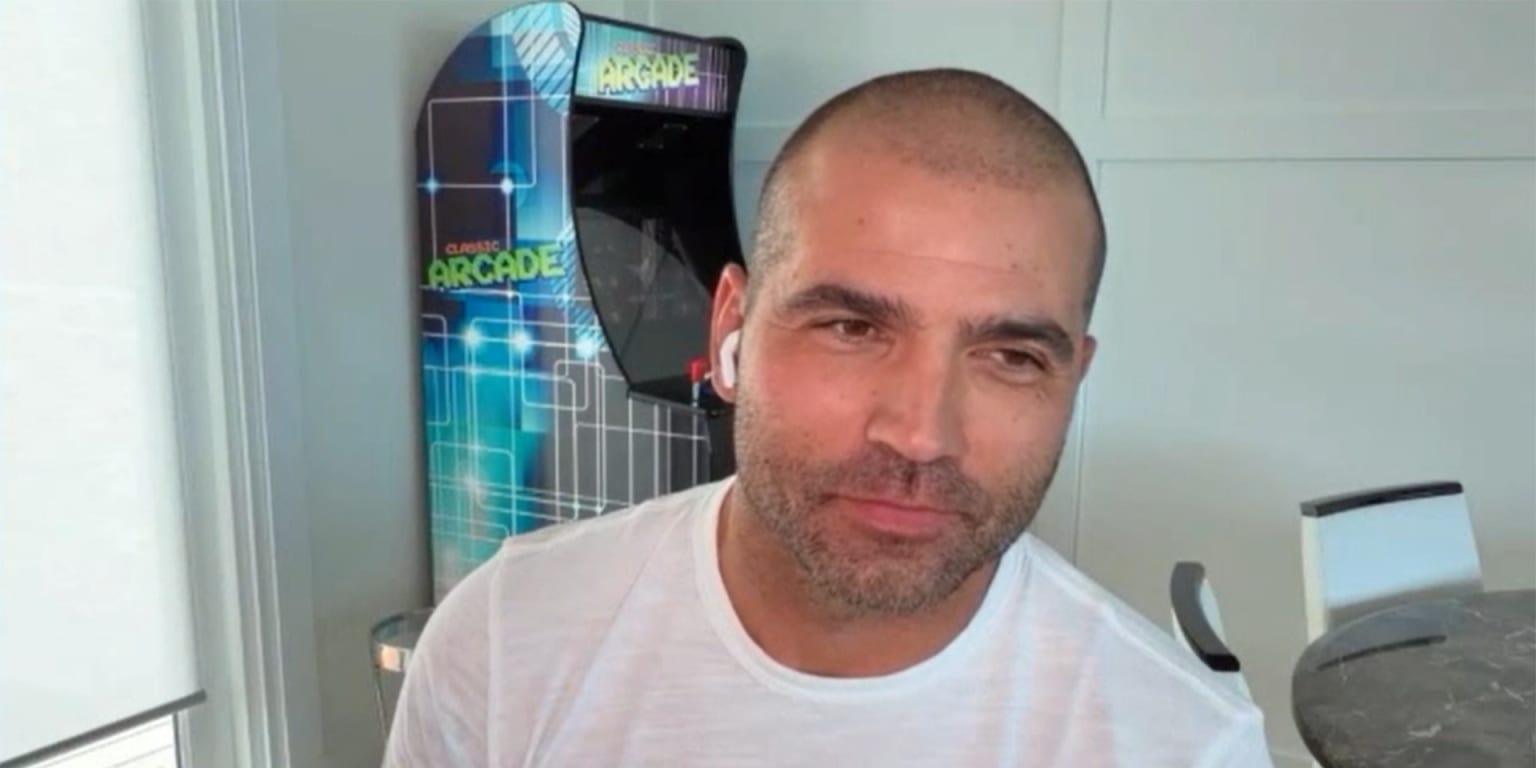
Joey Votto is no stranger to the feeling that a bat is suddenly heavier than usual. During his weekly appearance on MLB Now, the Reds veteran turned analyst reflected on a pattern that many fans have noticed around the league, namely that several headline stars have begun the 2026 season with overall offensive production below typical baseline levels.
The discussion centered on wRC+, a weighted measure of how a hitter’s run creation stacks up against a league-average hitter where 100 is the benchmark. In the early going, MLB players such as Cal Raleigh, Bo Bichette, Mookie Betts, and Manny Machado were described as having wRC+ below 80, which, on the surface, reads as “well under” average. Votto’s key message was that a poor start can be misleading, and that it is often the response that matters most for what comes next.
Votto’s perspective was grounded in the idea that slumps are not always a permanent flaw or a sudden breakdown of skill. Even elite hitters, he suggested, can drift into stretches where contact quality, timing, and even pitch selection do not line up. In those moments, the goal is not to chase every at-bat outcome, but to keep working the plan and continue executing the fundamentals that got results before.
A major reason Votto’s take resonates in baseball is that hitting is famously resistant to instant fixes. Over a long sample, wRC+ stabilizes and differences emerge more clearly. But over short windows, a handful of balls in play, sequencing, and how often a hitter gets to see their preferred looks can swing production dramatically. That volatility is part of why a low wRC+ early in the season does not automatically mean a star is “washed,” “broken,” or doomed to repeat the same performance level all year.
For a player like Betts, Machado, Bo Bichette, or Raleigh, the broader context is that teams build both day-to-day lineups and season-long strategy on expected talent being applied consistently. When a star’s production drops quickly, it can change how opponents attack, how a lineup is protected, and how managers handle rest and matchups. Votto’s advice, therefore, is not only personal. It is also practical: if elite hitters can reset their approach without overhauling everything, their long-term value to the lineup remains intact even while early-season numbers are ugly.
The Reds connection matters, too, because Votto’s public comments have frequently emphasized mindset and process during transitions. In this case, he used his own lived experience to argue that early struggles are survivable and that persistence can be a competitive advantage. It also fits a common baseball narrative that “resetting” is often less about dramatic changes and more about returning to the habits that produce consistent contact.
What to watch next is whether the players referenced in the discussion move their wRC+ back toward, or above, their typical profile as the season develops. If they do, Votto’s point about pushing through bad starts will look even more relevant. If they do not, the league will still have to differentiate between a temporary dip and a deeper adjustment problem, something that can take time to diagnose because hitters and pitchers are constantly adapting.
In the meantime, the episode offers a reminder that early offensive metrics are best read as a snapshot, not a verdict. Votto is essentially urging viewers to separate the feeling of panic from the reality of baseball’s long arc, and to judge stars by their ability to respond, not only by how they begin.
Why It Matters
- Early-season performance can distort perceptions of long-term value, especially when using short-sample metrics like wRC+.
- If star hitters stabilize their production, lineup protection and game planning can return to normal sooner than fans expect.
- Teams may see fewer knock-on effects from slumping bats, since managers can plan around established talent rather than forced tinkering.
- The advice also highlights the psychological and process-based approach to hitting, which can influence how quickly a player can course-correct.
Key Facts
- Joey Votto discussed early 2026 offensive struggles during his weekly appearance on MLB Now.
- The discussion referenced wRC+, where 100 represents league-average overall offensive production.
- Several players were noted as being below 80 wRC+ early in the season, including Cal Raleigh, Bo Bichette, Mookie Betts, and Manny Machado.
- Votto’s message emphasized pushing through rough stretches rather than concluding an early slump is permanent.
- The remarks framed hitting slumps as something that can happen even to elite players, with response and process playing a major role.