
THE APEX TIMES
John Harbaugh: Malik Nabers “Reasonable To Assume” for Week 1 as Giants Return From ACL, Meniscus Surgery
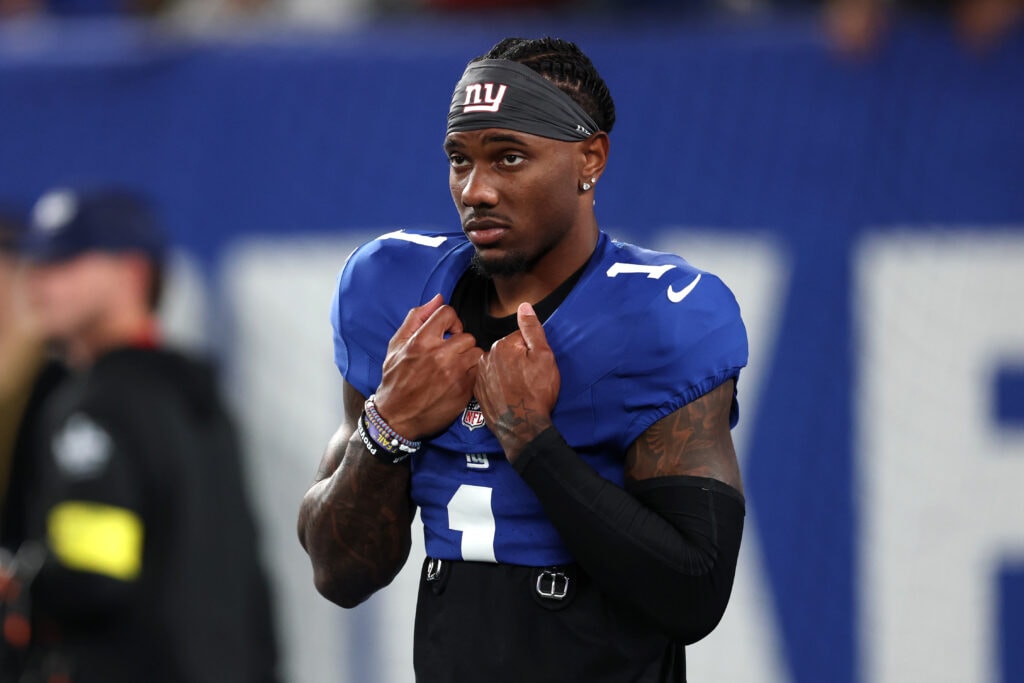
Baltimore’s head coach said Monday that he believes it is reasonable to expect New York’s wide receiver Malik Nabers to be available for the season opener after an ACL and meniscus injury last year that required multiple surgeries, including a clean-up procedure in April.
Giants wide receiver Malik Nabers is trending toward playing in Week 1, an indication that New York’s most important passing weapon could be back on the field for the start of the regular season. Speaking Monday, head coach John Harbaugh said it is “reasonable to assume” Nabers will be available, a statement that frames the Week 1 timeline as more than just wishful thinking but still subject to normal late-camp medical and practice decisions.
Nabers, 23, suffered a knee injury last season that was described as an ACL and meniscus tear in Week 4. That injury sidelined him for the remainder of the year and required multiple surgeries. The recovery is the central storyline: while details of day-to-day progress are not often public, Harbaugh’s comments suggest the Giants believe Nabers is past the most critical phases of rehabilitation and moving into a functional window for game readiness.
The injury history included a clean-up procedure in April, according to the team’s injury timeline as reported in the lead-up to this practice update. Clean-up surgeries typically aim to address lingering issues such as irritation or residual damage, and they are often used to refine the mechanics of a return. In practical terms, it means the recovery clock did not end in the initial surgery window, and the Giants still had to manage Nabers through an additional step before training-camp workload could become meaningful again.
At Monday’s training camp practice, Harbaugh’s stance was clear enough to be reported as a concrete expectation rather than a generic “we’ll see” answer. The coach’s phrasing matters because the NFL does not generally treat “reasonable to assume” as casual language when the player in question is a high-usage receiver returning from a major ligament injury. Even when a player is available, teams often limit snaps at first, but being in the conversation for Week 1 indicates New York expects Nabers to participate in the earliest part of its normal offensive planning.
The upcoming test is the early-season matchup, with reports indicating the Week 1 opponent is Dallas. For the Giants, having Nabers on the field early would affect the entire passing game, from route timing to play-action credibility and coverage responsibilities for the defense across from them. A receiver who can stretch the field also shapes what a quarterback and offensive line can ask for on every down, because it reduces the defense’s ability to load the box without consequences.
This is still a rehabilitation and readiness story, not a concluded one. NFL availability is ultimately determined by practice participation, conditioning tolerance, and medical clearance closer to kickoff, and coaches sometimes use upbeat language before the final decisions are made. Until the Giants’ official game-status processes are reflected publicly, Nabers’ Week 1 role should be understood as trending in the right direction rather than fully guaranteed.
What to watch next is whether Nabers’ participation level remains steady through the final preseason and practice windows, particularly if the Giants can keep him in representative situational packages. Another key indicator will be how the Giants structure early offensive snaps. If they treat Nabers as a full-speed option from the opening drive, it would report they feel comfortable with both his physical readiness and his ability to execute timing-intensive routes immediately. If the workload is managed, it still would support Harbaugh’s expectation while acknowledging the ramp-up that usually follows a major knee injury.
Why It Matters
- If Nabers is available for Week 1, it would give the Giants a major upgrade to their passing attack immediately, shaping coverage assignments from the first game.
- A knee return after an ACL and meniscus injury can influence early-game risk tolerance, including how aggressively New York calls downfield routes and timing plays.
- Having him on track for the opener also affects quarterback comfort, because consistent practice with a top target usually accelerates route precision and chemistry.
- The Giants’ early-season ceiling could rise if Nabers can handle starter-level workload instead of being restricted to limited snaps.
Sources
Key Facts
- Giants head coach John Harbaugh said Monday it is “reasonable to assume” Malik Nabers will play in Week 1.
- Nabers is 23 years old.
- Nabers tore his ACL and meniscus in Week 4 last season, ending his year.
- He required multiple surgeries, including a clean-up procedure in April.
- The report frames Nabers as trending toward playing in Week 1, described alongside the season-opener opponent as Dallas.