
THE APEX TIMES
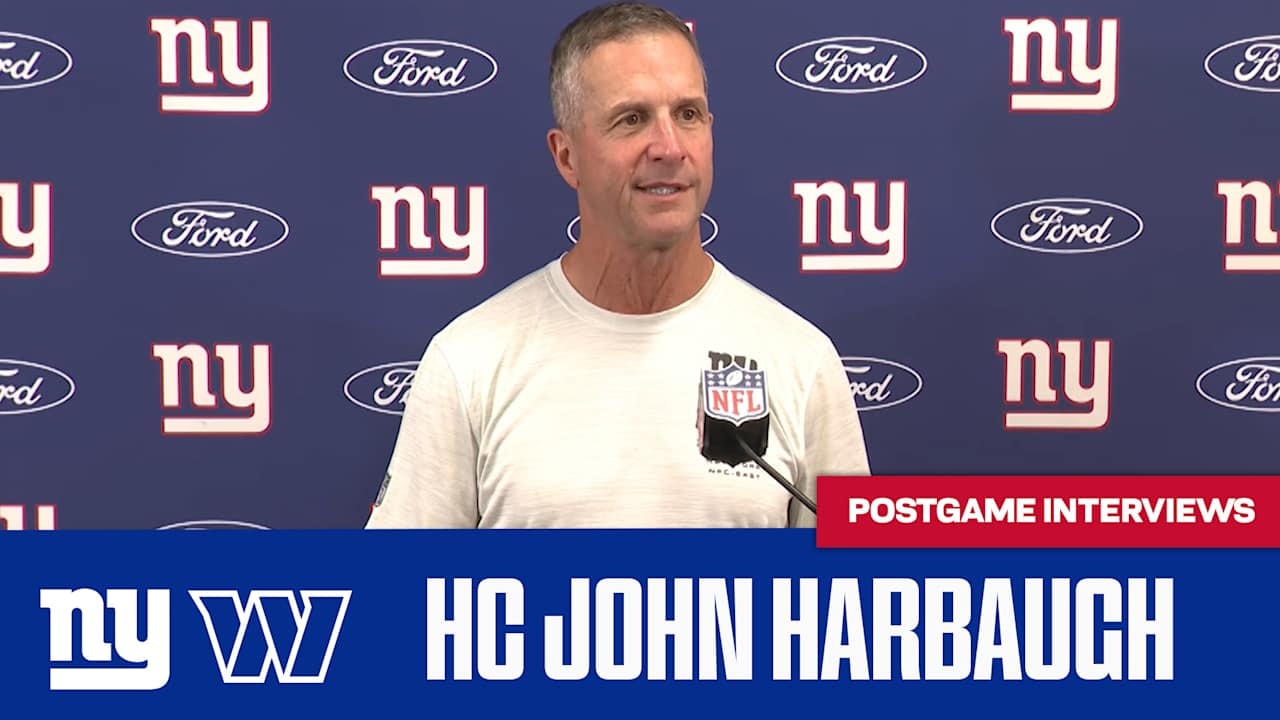
John Harbaugh Updates the Media After Giants’ Tie With the Commanders
New York’s head coach, John Harbaugh, addressed reporters following a Week 5 regular-season game that ended in a tie with Washington, a result that turns the focus to finishing drives and making fewer high-leverage mistakes in the next stretch.
John Harbaugh met with the media after the Giants’ Week 5 game against the Commanders ended in a tie, using the postgame window to frame what New York learned and what the team will carry forward. The matchup, a divisional contest for both sides, produced a final result that leaves neither team with a full win and increases the importance of details that often decide close games in the NFL.
In his postgame press conference, Harbaugh spoke from the perspective of a coach assessing team performance across the full 60 minutes and through the overtime period. A tie in the regular season is relatively uncommon, and when it happens, it typically reflects that the game reached a point where both teams could match each other’s adjustments, forcing the outcome to be determined by execution rather than a single decisive swing.
Divisional games against familiar opponents tend to magnify the tactical elements, since both coaching staffs have similar windows to prepare and the players already understand tendencies. A tie means there is no single scoreboard moment that can be isolated as the explanation. Instead, coaches usually look for a cluster of plays where small changes in situational decision-making, ball security, third-down efficiency, or red-zone execution could have moved the game from even to one-sided.
For the Giants, a result like this often reshapes internal priorities in the days that follow. Even without a win, the film cycle offers a clean way to identify what worked well enough to keep the game close and what did not. Coaches in these circumstances emphasize the same themes every time: convert more of your best opportunities, minimize self-inflicted problems, and keep the standard high late in games when communication and discipline matter most.
The tie also has playoff and standings implications, even in the early-to-mid portion of the season. In the NFL, a regular-season tie effectively removes two points from the standings relative to a win-loss outcome. That can matter later when teams separate by margins that look small in October but become decisive by December and January, especially in a conference race where every extra point changes the math.
What to watch next is how New York responds in practice and at game planning meetings. After a tie, the adjustments are usually less about replacing broad identities and more about sharpening the execution of core parts of the team’s plan. Look for increased focus on third downs, a more deliberate approach in the red zone, and a clearer emphasis on limiting the types of plays that can stall drives or extend the opponent’s momentum.
Why It Matters
- A tie changes the standings picture compared with a win-loss outcome, affecting the points available in the division and conference race.
- Divisional matchups are often decided by execution on a handful of plays, so a tied game tends to highlight late-game and situational improvement areas.
- The coaching focus after a tie typically shifts toward drive finishing, limiting self-inflicted errors, and strengthening high-leverage discipline.
Key Facts
- The Giants held a postgame press conference following their Week 5 tie against the Commanders.
- Head coach John Harbaugh addressed reporters after the game via a video postgame segment.
- The game result was a tie, meaning neither team won the contest in the regular-season overtime window.