
THE APEX TIMES
John Schneider addresses Seahawks’ initial 53-man roster as trades and signings shape the depth chart
Speaking after the club set its roster, Seattle’s general manager and president of football operations walked through the decisions behind the team’s opening mix and what it means for training camp’s final stage.
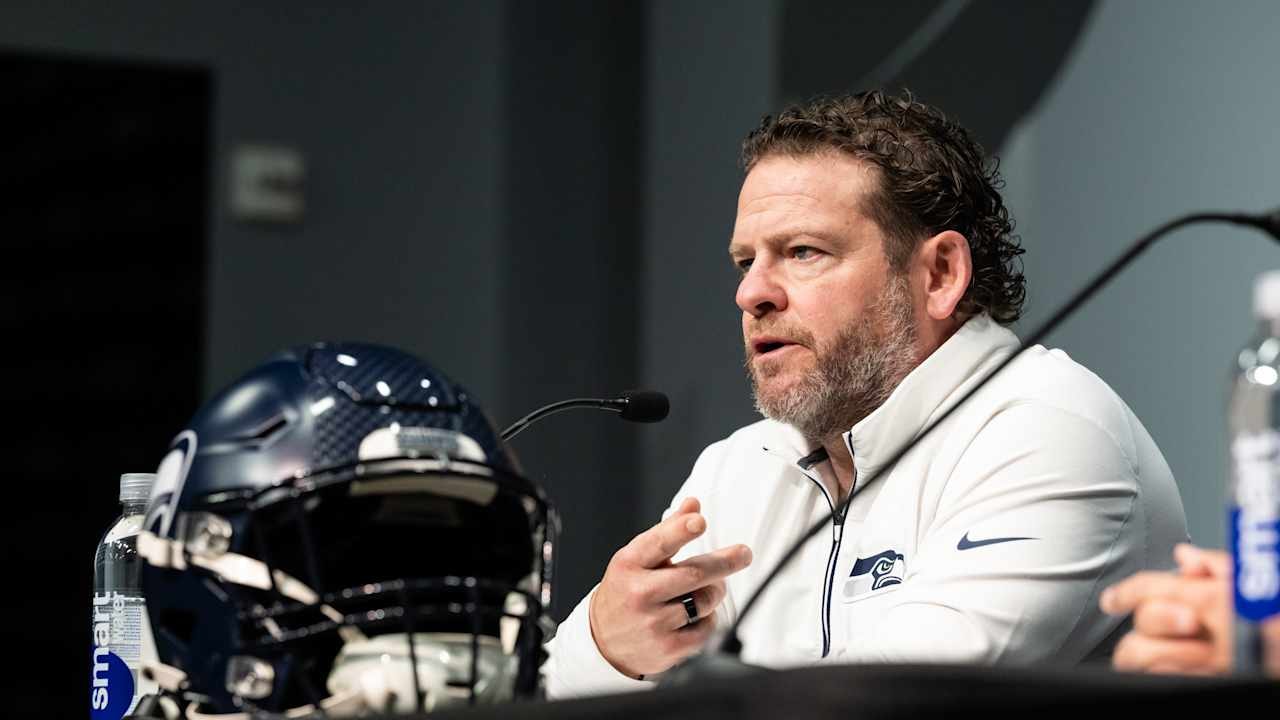
The Seahawks held a media availability with John Schneider as the organization finalized its initial 53-man roster, and the central theme was how the team’s active offseason work, including trades and free agent signings, has translated into the composition of its opening depth chart. In the team’s account of the session, Schneider discussed the state of the roster after cuts and roster building, framing the early 53-man group as a starting point rather than a finished product.
Seattle’s roster decisions come with a timing-specific reality of the NFL. Once the club trims down to the league limit, every spot carries immediate football meaning, because teams can no longer simply rotate personnel with the same freedom they had in the earlier phases of training camp. Schneider’s comments, as described by the team, were aimed at explaining that the final roster is a product of multiple inputs, not just one last set of evaluations.
According to the Seahawks’ report from the press conference, Schneider also addressed player movement, including both trades and free agent additions. That kind of context matters because roster construction often reflects a team’s intended identity, such as which roles the front office prioritizes through acquisitions and which positions it is willing to fill via internal development or waiver-wire opportunities later.
What Schneider emphasized through the structure of his remarks was the connection between those roster-building decisions and the way the initial group has taken shape. The team’s write-up characterizes the session as a set of takeaways focused on how the roster “shaped up,” implying that the 53-man list is closely tied to the club’s plan for camp and the early-season workload, even if exact roles and final pecking orders can still shift through the regular season.
Because the Seahawks’ publication summarizes the availability at a high level, specific details such as which players were added via trade, which free agents were signed, or how Schneider described particular matchups are not spelled out in the material provided here. That limits how precisely a reader can translate the press conference into a position-by-position forecast. Still, the procedural significance of setting the initial roster is clear, and the front office’s explanation gives fans a window into what Seattle values at this stage.
For the Seahawks, the practical next step after naming the initial 53-man roster is managing the small margins that remain between the starter track and the next wave of contributors. Even with the limit set, teams typically remain responsive to performance, practice availability, and matchup needs, with the roster becoming more “locked in” as the season approaches.
What to watch next is how the Seahawks use the final preseason period, and whether the roles implied by Schneider’s roster-building approach hold once game-week situations appear. The goal for Seattle will be turning the opening 53-man blueprint into consistent execution, with early clarity on who can handle key responsibilities on both sides of the ball and on special teams.
Why It Matters
- An initial 53-man roster defines the immediate competition, determines who is eligible for regular-season snaps, and reduces the team’s ability to reshuffle frequently.
- Front-office explanations around trades and free agent additions help clarify Seattle’s priority areas and the roster roles it believes can carry early-season responsibility.
- Once the roster is set, the organization’s next decisions tend to focus more on usage and performance than on broad personnel overhauls.
Sources
Key Facts
- Seattle set its initial 53-man roster as the club moved into the final stage of roster reduction and camp preparations.
- John Schneider, Seahawks general manager and president of football operations, met with the media to discuss the roster after it was finalized.
- The team’s coverage of the availability indicates Schneider addressed how trades and free agent signings contributed to how the initial roster shaped up.