
THE APEX TIMES
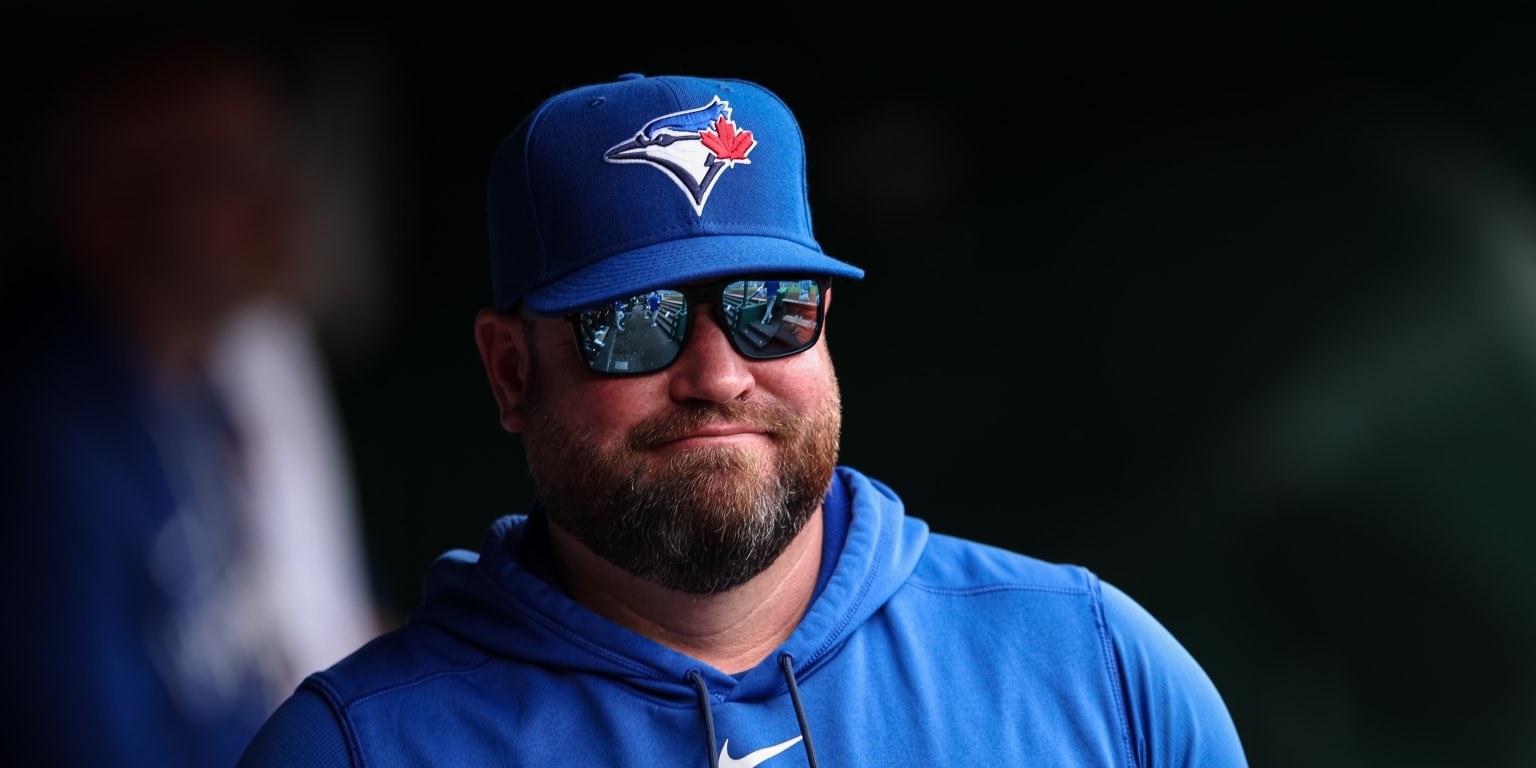
John Schneider says Blue Jays priorities stay on managing, not Trade Deadline speculation
As MLB’s Trade Deadline approaches, Toronto manager John Schneider says his focus is rooted in his daily responsibilities, even as the Blue Jays’ front office weighs roster options with general manager Ross Atkins.
John Schneider does not want his attention divided by Trade Deadline talk, and he made that stance clear as the Toronto Blue Jays navigate the final stretch of the regular season. The Blue Jays’ manager acknowledged that the broader conversation about what comes next is happening around the club, including discussions that involve general manager Ross Atkins and the front office.
At the same time, Schneider described the job as a managerial one first and foremost, emphasizing that his responsibilities do not change simply because league headlines do. When he walks out of front-office meetings and into the day-to-day work, he said his focus stays where it has to be, on preparing his team for the games in front of him.
The framing matters because it touches the tension that often accompanies August in Major League Baseball. Trade speculation can seep into clubhouse attention, and even when players and managers know roster decisions are coming, the impact can show up in routines, mindset, and how teams handle the steady grind of in-season development.
Schneider’s comments put a spotlight on the Blue Jays’ internal division of labor between decision-makers and day-to-day leaders. Atkins, as the general manager, is the central figure for long-range roster planning and the kinds of moves that can be shaped by deadline timing. Schneider, by contrast, is the constant on the field, tasked with turning whatever roster exists that week into competitive performances.
The manager’s stance also implicitly underscores the communication required when front-office discussions accelerate. While the front office is evaluating potential trade options, the manager still needs alignment with the strategy that translates to lineup decisions, pitching usage, and on-field preparation, all of which are carried out with urgency long before any deal becomes official.
For Toronto, this is particularly relevant because the club’s approach to the deadline is not only about player procurement, it is also about clarity. A trade can change roles quickly, and a manager’s job becomes even more about maintaining structure and accountability during transition periods. Schneider’s message suggests he wants that structure to remain intact regardless of what conversations are happening above him in the organization.
What to watch next is how the Blue Jays balance those two layers as the deadline window tightens, both in public posture and in the practical decisions made around the team. Whether the club makes changes or stands pat, Schneider’s insistence on staying anchored to managerial duties is a clear report about how Toronto intends to handle late-season pressure: keep the focus on playing baseball, not wrestling with hypotheticals.
Why It Matters
- Trade Deadline discussions can affect clubhouse attention, so Schneider’s message emphasizes keeping the team mindset centered on current games.
- The split between front-office planning and on-field management influences how quickly roles can stabilize after any roster moves.
- Toronto’s late-season performance could hinge on whether the manager and roster strategy stay aligned as deadline conversations intensify.
Key Facts
- John Schneider, the Toronto Blue Jays manager, said he is not focused on Trade Deadline speculation.
- Schneider said he is still involved at a high level through interactions with general manager Ross Atkins and the front office.
- Schneider described a clear separation between front-office talks and his day-to-day managerial duties.
- The comments were delivered by the Blue Jays organization through MLB’s team news outlet.