
THE APEX TIMES
Jon Scheyer says NCAA eligibility “chaos” risks hurting college basketball’s product
Duke’s head coach weighed in on the post-2020s eligibility landscape, arguing that ongoing rule and legal uncertainty has made the college game harder to understand and harder to sustain.
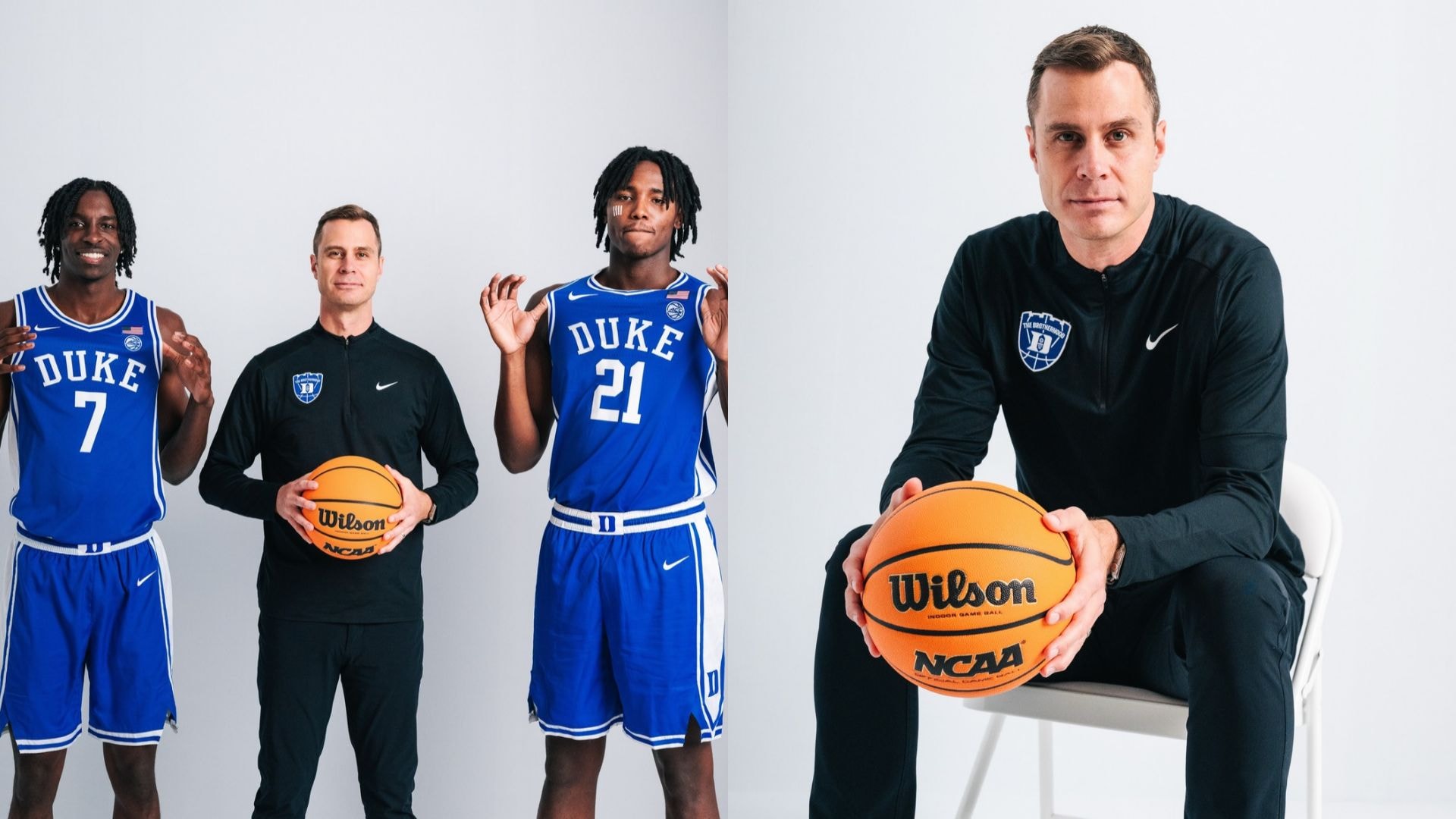
Duke head coach Jon Scheyer used an NCAA eligibility discussion to make a broader point about the sport’s direction, suggesting that the current uncertainty around eligibility rules is not good for college basketball. Speaking in the context of the NCAA’s major changes that began in the early 2020s, Scheyer’s stance centered on the idea that the game is now different than it was in the previous decade, and that eligibility is at the center of the sport’s most contentious questions.
Scheyer’s criticism is rooted in the way eligibility has become a public and legal subject rather than a straightforward recruiting and roster-management baseline. The premise, as described by Yahoo Sports, is that eligibility rule shifts have created confusion and conflict, leading to disputes that spill beyond the court and into the courts. That matters in a sport that depends on continuity, roster stability, and fans’ ability to follow who can play and when.
College basketball has undergone structural change in the years since the early-2020s, including changes to the transfer environment and the overall rules around player status. Those shifts have been part of a wider conversation about how to balance athletes’ rights with institutional control and competitive fairness. In Scheyer’s view, the net result is an eligibility system that feels unstable, with knock-on effects for programs that plan years ahead and for players trying to map their development to a coherent path.
For programs such as Duke, the stakes are practical. Eligibility is not an abstract policy topic when coaches build multi-year rosters and when teams try to develop talent through distinct phases, from incoming classes to established rotation players. When the rules are in flux or contested, coaches and administrators face harder tradeoffs about timing, lineup planning, and recruiting commitments, especially when legal outcomes can reshape what is permissible.
Scheyer also framed the issue as a product problem, not only a compliance problem. “Not Good for the Game” is the core theme of his remarks, and it points to a concern that eligibility uncertainty can make the sport harder for casual fans to follow and can dilute the sense of merit-based competition that fans associate with the college level. Even when programs act in good faith within the rules, a season’s storyline can feel less predictable when eligibility questions remain live.
What to watch next is less about any single ruling and more about how the NCAA eligibility conversation continues to evolve. The emerging pattern, according to the framing of the discussion, is that eligibility rules have become a recurring topic in litigation and public debate, which means teams are likely to keep navigating a moving target. For Duke, and for the rest of Division I, the near-term challenge will be building within the current framework while planning for what could come if disputes continue to force adjustments.
Why It Matters
- Eligibility uncertainty can affect roster planning, forcing programs to make long-term decisions under shifting constraints.
- When legal disputes become part of the eligibility conversation, the season narrative can become harder for fans to follow.
- Competitive fairness can feel less clear if eligibility questions are repeatedly challenged or revisited.
Sources
Key Facts
- Duke head coach Jon Scheyer commented on NCAA eligibility rules and described the current environment as “not good for the game.”
- The remarks are connected to major NCAA-related changes since the start of the 2020s, with eligibility becoming a central topic.
- The discussion includes the idea that eligibility issues have involved legal disputes, adding uncertainty to college basketball’s roster and eligibility picture.