
THE APEX TIMES
Jonathon Brooks returns for Carolina, an emotional milestone after ACL rehab
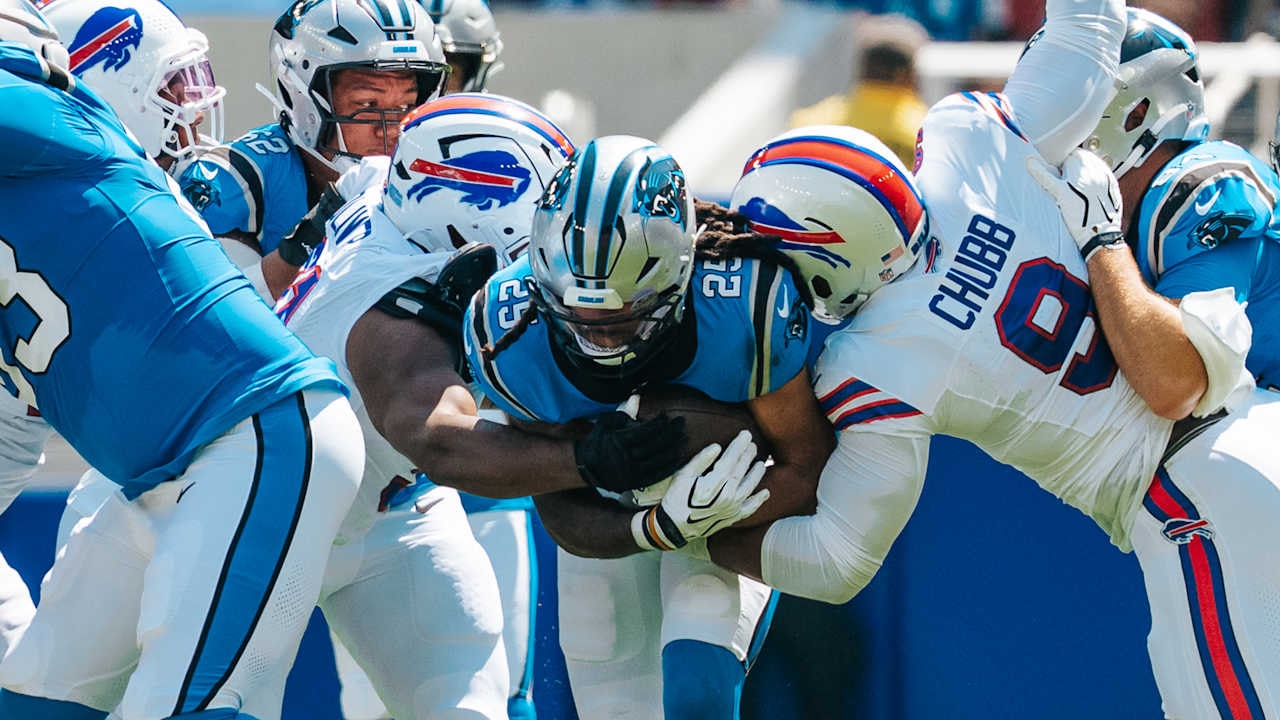
In a 29-14 preseason loss at Buffalo, Panthers running back Jonathon Brooks was able to walk out on his own two feet, a meaningful sign after two seasons slowed by an ACL recovery.
Carolina’s night at Buffalo ended with a 29-14 loss, and the Panthers did not get the kind of run production they wanted. Still, the most closely watched personal storyline centered on running back Jonathon Brooks, who made his return from an ACL rehab and was able to leave the field under his own power, a detail that teammates and coaches often treat as a critical checkpoint in a comeback timeline.
Brooks’ significance comes from where he has been. According to the Panthers, his last two seasons were derailed by the recovery process following an ACL injury, which means the first game back carries emotional weight well beyond box-score impressions. Even when a player returns to practice and clears team medical steps, the first live stretch can be different, and Brooks’ ability to finish his involvement without a setback became the clearest measure of progress reported by the team.
The Panthers’ offense, meanwhile, faced its own hurdles in the game. Carolina’s inability to make the run game work consistently against Buffalo’s defense limited sustained drives and left the team playing catch-up throughout the contest. For fans, that context matters because it frames the return as something to watch for long-term team impact, even if the immediate night did not turn into a breakout performance.
The Panthers’ takeaway, as presented by the team, is that Brooks’ return represented more than simply being dressed and lined up. It was a moment of validation after a long stretch away, especially given the time lost in the last two seasons. In preseason and early regular-season contexts, those returns are closely monitored, not because preseason results determine standings, but because player health and readiness determine who can be counted on when games matter more.
For Buffalo, the game served as a reminder that matchups can be challenging for every team as new wrinkles are tested and players work through timing and tempo at full speed. For Carolina, Brooks’ return also adds a new variable to the offense. A running back coming back from ACL rehab changes how coaches can manage carries, tempo, and protection schemes, and it can shift practice priorities as the staff works to build confidence in the legs and the role.
Looking ahead, the focus will likely move to whether Brooks can sustain his workload across subsequent practices and preseason opportunities, and whether Carolina’s run game can create the kind of space that allows a returning back to be effective. The immediate scoreboard is only one part of the story. The bigger question is how quickly Brooks and the Panthers can convert this first return into consistency as the season approaches.
Why It Matters
- Brooks’ return is a significant health milestone for Carolina, and it affects how the Panthers can plan their backfield usage going forward.
- Even with a loss, a successful first game back can influence confidence and practice workload decisions for a team building toward the regular season.
- The matchup underscores why run-game consistency is difficult in preseason, when timing and roles are still being shaped.
Key Facts
- Carolina Panthers lost 29-14 to Buffalo in a game described by the team as featuring Jonathon Brooks’ first game back after ACL rehab.
- The Panthers characterized Brooks’ return as emotional and highlighted that he was able to walk out on his own two feet after his time on the field.
- The team noted that Brooks’ last two seasons were impacted by ACL recovery.
- Carolina did not run the way it wanted to in the loss.