
THE APEX TIMES
Jordan Love throws a touchdown, but Packers’ Matt LaFleur keeps the evaluation tight in Denver
Green Bay’s starting quarterback got limited work, delivering a scoring throw as coach Matt LaFleur decided a long look at the first offense was unnecessary after an early 12-play drive.
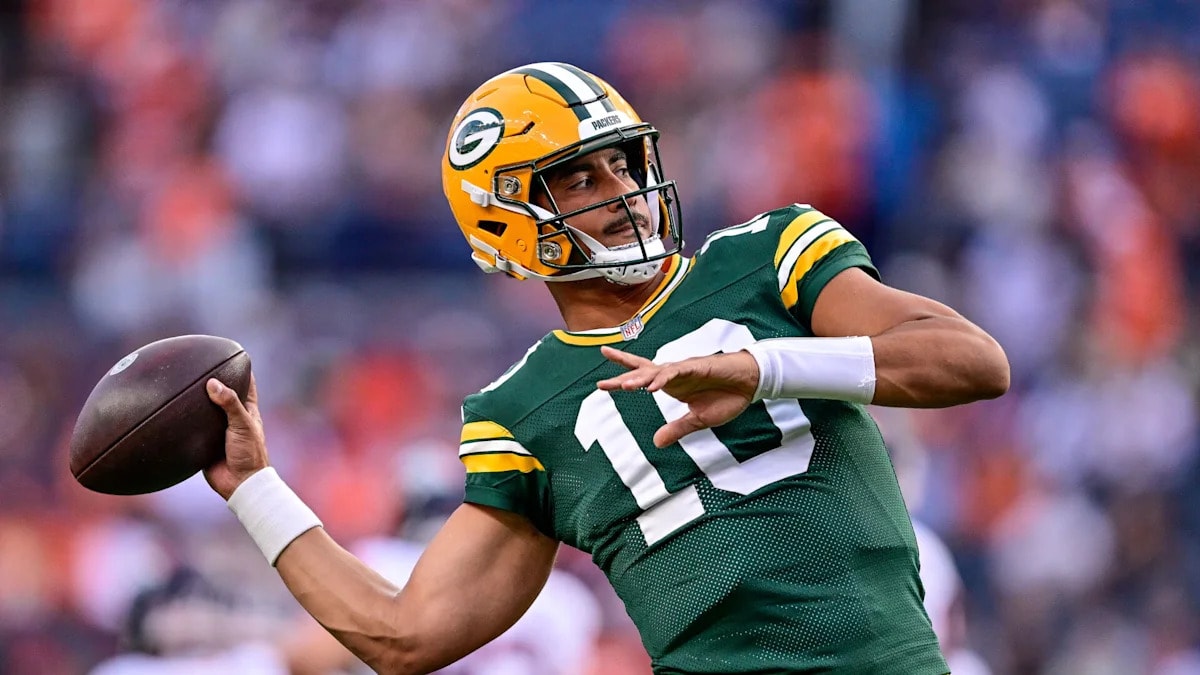
Jordan Love’s night in Denver lasted about one series, but it was enough for Packers coach Matt LaFleur to check the box he was after in the early stages of the summer. According to the report, LaFleur had intended to keep Green Bay’s starting offense on the field for more than one drive. Instead, after a 12-play scoring drive, he turned the page quickly, and Love’s representative action came with a touchdown pass.
The decision points to how LaFleur and the Packers are approaching the quarterback evaluation process, especially as the season opener draws near. A limited series for the starter can reduce contact risk and keep practice and film study as the primary method for sorting out timing, route spacing, and protections. In that sense, Love’s productive outcome matters less for numbers than for the confirmation it provides: the offense can generate a scoring drive quickly even when the coaching plan is capped.
From a schematic standpoint, a 12-play drive is also a useful measure. One-off plays can flatter a quarterback, but multi-play sequences test whether the unit can move the ball through varied down-and-distance situations. The report indicates Green Bay did exactly that during Love’s brief run, and the touchdown came within that longer sequence rather than being limited to a short, script-only opportunity.
LaFleur’s handling of the session further suggests a balancing act between “show enough” and “don’t overdo it.” With the preseason defined by rep allocation, coaches typically weigh how much live work improves their starters against the likelihood that extra snaps will add little value compared with the practice reps already planned. The account describes LaFleur seeing “all he needed to see,” implying that the first team’s fundamentals checked out and that extended live evaluation could wait for the next step.
For Love, the practical takeaway is that his execution carried over into a scoring context immediately. Even when a quarterback’s workload is constrained, touchdown production in live game conditions still functions as a morale and rhythm marker, especially for an offense that relies on precision between the quarterback’s reads and the receivers’ routes. At the same time, the broader depth chart implications are hard to quantify from a single-series snapshot, since other quarterbacks and personnel groups typically receive expanded opportunities on the remainder of the night.
What to watch next is how long the coaching staff keeps the starters out there as the exhibition slate progresses, and whether the Packers’ game plan continues to prioritize early scoring drives from the first unit. If LaFleur’s pattern holds, Love may see similarly limited-but-highly targeted work as Green Bay refines the timing that must carry into the regular season, not just across practices and walkthroughs but also in controlled live sequences.
Why It Matters
- The Packers’ approach suggests they are managing quarterback reps to preserve value per snap rather than maximizing live exposure.
- A fast 12-play scoring drive from the first unit provides early evidence that the offense can function in sustained sequences, not only on short plays.
- How Green Bay allocates starting quarterback time in later preseason games can affect both injury risk management and the clarity of the weekly progression plan.
- Love’s touchdown in limited action keeps the focus on execution and rhythm heading toward the opener.
Key Facts
- Jordan Love played one series for the Packers in Denver.
- The report says Love threw a touchdown pass during that limited work.
- Packers coach Matt LaFleur had planned to keep the starting offense on the field for more than one drive.
- After a 12-play scoring drive, LaFleur changed the plan and ended the extended look at the first offense.
- LaFleur’s reported takeaway was that the team had seen enough and that further work might wait until the season opener.