
THE APEX TIMES
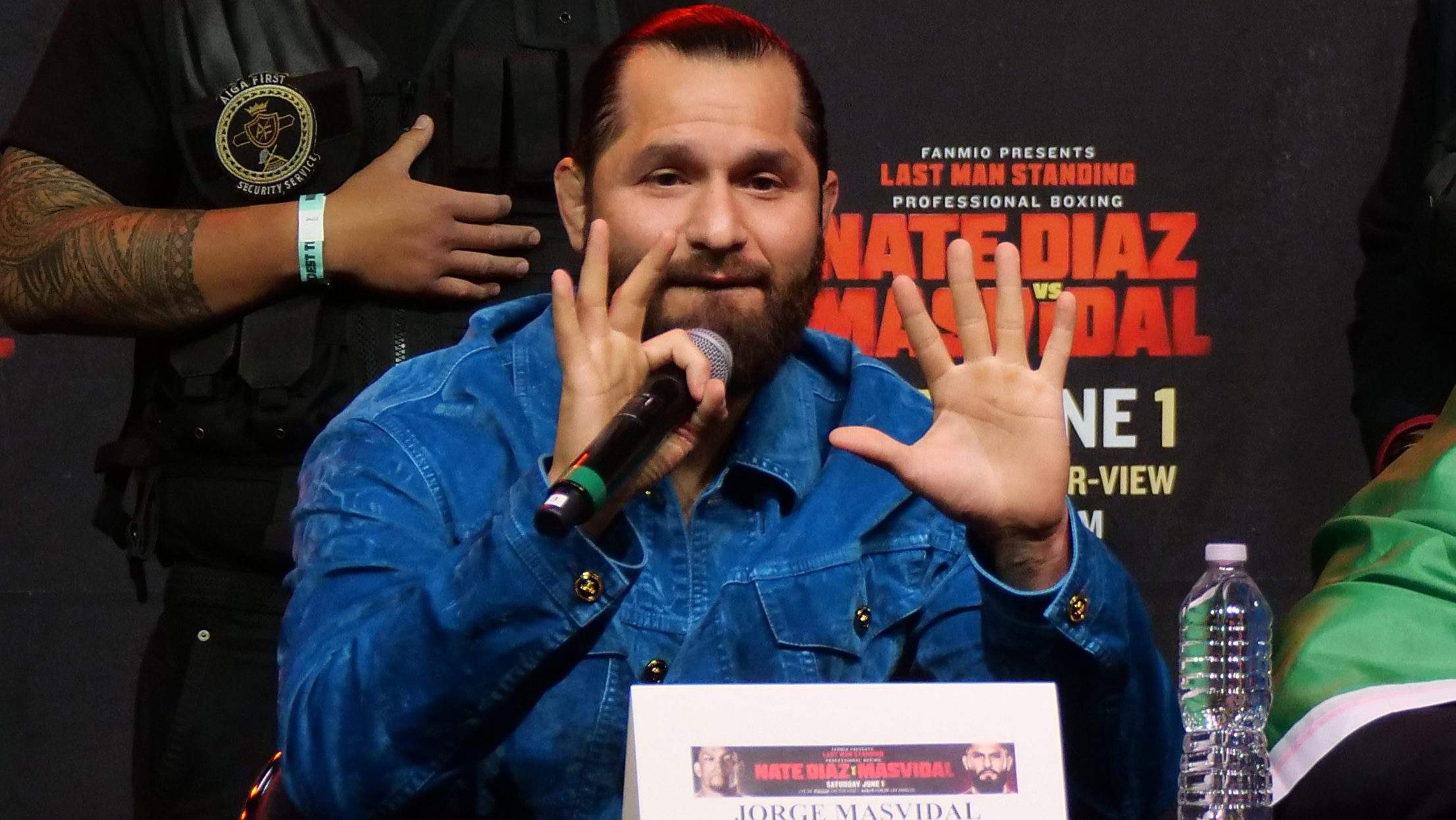
Jorge Masvidal weighs in on Sean Strickland’s UFC pay dispute as middleweight title picture tests the promotion’s leverage
Masvidal’s comments highlight the broader tension between UFC fighters seeking market-value pay and the company’s compensation structure, with champion Sean Strickland tying his next appearance to a raise before he fights Nassourdine Imavov.
UFC middleweight champion Sean Strickland has turned contract talk into a public storyline, and fellow former star Jorge Masvidal has now offered his take on the UFC pay dilemma. The dispute has quickly become more than background drama because Strickland’s stated goal is to secure a raise before he takes on Nassourdine Imavov in his next fight, placing compensation negotiations directly in the path of the sport’s next major matchup at 185 pounds.
According to the report, Strickland has gone public about wanting improved pay terms tied to his upcoming bout plans. His position, as characterized in the coverage, is that he believes the UFC should adjust his compensation to match what he is bringing to the promotion as champion. Yet, the same account says the company has not granted the raise he is seeking, leaving the champion at odds with the UFC while the next step in the division waits.
Masvidal’s reaction matters because he is not an outside commentator without UFC history. Masvidal, long known for being outspoken about how combat sports should compensate top performers, responded to Strickland’s situation in a way that underscores a recurring problem in the UFC economy. Even when champions are positioned as faces of the brand, the leverage can be limited once the UFC’s internal negotiation framework and promotional incentives are set.
For Strickland, the practical stakes are straightforward: he wants the raise before the next fight, not after it. That approach effectively makes pay a condition of participation rather than a separate negotiation conducted in the offseason. If the UFC continues to hold the line, the delay could affect not only booking logistics but also how quickly the middleweight division moves toward a settled title hierarchy.
For the UFC, the challenge is that middleweight title fights are among its most visible recurring events, and champions are expected to headline. But compensation disputes also intersect with the company’s broader incentive system, where many fighters accept defined contract structures in exchange for predictable fight opportunities. Strickland’s public stance pressures the UFC to respond in a way that does not encourage a domino effect among other high-profile fighters who might view pay adjustments as a bargaining tactic.
The reported matchup target, Nassourdine Imavov, adds another layer because Imavov represents a competitive, stylistically credible next opponent in a division where momentum matters. A pause or friction in the champion’s negotiations can ripple outward, changing the way contenders view their own timelines and how quickly they can position themselves for a title shot.
What to watch next is whether the UFC addresses Strickland’s request in a way that allows the middleweight title picture to move forward without prolonged public back-and-forth. If a compromise is reached, it will likely clarify how the UFC handles champion-driven pay pressure. If not, the dispute could remain a recurring distraction, with the sport’s best storylines at 185 pounds forced to wait behind contract negotiations. Either way, Masvidal’s commentary indicates that this is a debate the sport’s most recognizable figures will keep spotlighting as UFC’s compensation model comes under scrutiny from multiple angles.
Why It Matters
- Champion-driven pay disputes can delay or complicate marquee fights, affecting how quickly divisions progress toward clear title outcomes.
- Public bargaining changes the tone of negotiations, potentially influencing how other high-profile fighters approach their own contract talks.
- Middleweight is one of the UFC’s most watched weight classes, so uncertainty around the next title-related appearance can slow the division’s momentum.
- The UFC’s response will likely shape perceptions of fighter leverage and the boundaries of the promotion’s compensation flexibility.
Key Facts
- Sean Strickland, the UFC middleweight champion, has publicly raised a pay dispute connected to his next fight.
- The reported goal for Strickland is to receive a raise before his next bout against Nassourdine Imavov.
- The coverage says the UFC has not yet granted the raise Strickland wants.
- Jorge Masvidal reacted to Strickland’s pay dilemma, drawing attention to the wider tension between fighter compensation demands and the UFC’s payment approach.