
THE APEX TIMES
José Ramírez answers Carnegie-to-Ontario chants with a dugout-to-deep homer in the ALDS
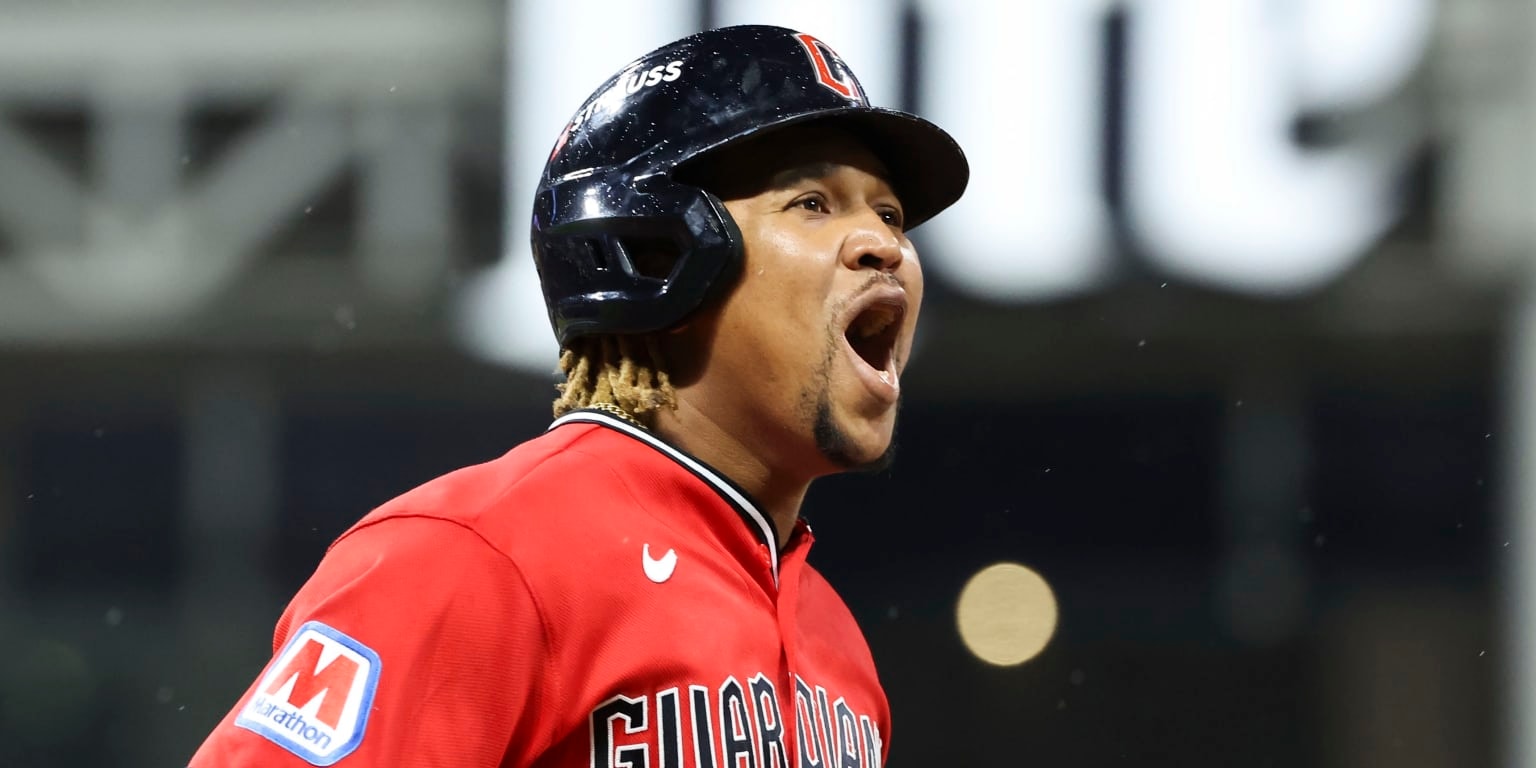
At Progressive Field, the Guardians’ captain turned a stadiumwide moment into damage in the fourth inning on Saturday night.
CLEVELAND, Oct. 10, 2026 (Apex Times) - The roar at Progressive Field carried from the lower bowl to the outfield seats in the fourth inning on Saturday night, and José Ramírez responded the only way that matters in October. MLB’s official game recap of the Guardians’ ALDS matchup highlights how his name echoed through the stadium moments before he delivered a homer, a swing described as “practically on the ground,” turning a crowd serenade into a hit that forced the next pitch to be about him rather than anyone else.
According to MLB’s account, the moment began with fans at the corner of Carnegie and Ontario chanting Ramírez’s name as the game moved forward. The Guardians’ superstar did not just acknowledge the noise. He produced, timing his swing to generate the kind of impact that makes a single at-bat feel like a turning point, particularly in a postseason setting where every inning can swing the leverage.
MLB’s write-up places the blast in the fourth inning, linking the stadiumwide “Jo-sé” chant directly to the sequence that followed. That coupling matters because it reflects more than one big swing. It underscores how Progressive Field’s energy can build and then be cashed in quickly, with Ramírez repeatedly serving as the late-innings punctuation on nights when the Guardians need it most.
The description of the mechanics, with Ramírez “digging out” a pitch that came low and driving through it, is a reminder of why his profile fits October baseball. Third baseman power at the highest level often shows up when pitchers try to get him to chase or miss barrels by locating low. In this telling, Ramírez’s answer was to stay compact, work the pitch out, and convert contact into something the outfield could not contain.
In the broader ALDS picture, the significance of any four-inning, homer swing is straightforward: it changes how the next sequence gets managed. It also changes how the crowd behaves, because a stadium is at its most dangerous when it believes the game is slipping away from the visiting bullpen or starter. MLB’s recap emphasizes the stadium reaction, and that kind of immediate momentum is part of why postseason crowds can turn from background noise into a force multiplier.
What to watch next is whether Cleveland can keep getting similar “game-changer” contributions at the plate after Ramírez’s at-bat. In a series, one homer can also function as a scouting update: opposing pitchers see not only where he hit it, but how he prepared to handle the specific pitch type and location that preceded it. The Guardians’ next offensive inning will show whether this was a brief spark or the start of a longer offensive stretch built to match playoff leverage.
For now, the official account leaves the center of gravity clearly on Ramírez: the chant, the response, and a fourth-inning homer that sent Progressive Field into the kind of postseason mood that is hard to quiet. Whether that swing ultimately determines the series will depend on the innings that follow, but it is the kind of October swing that teams remember when the calendar turns.
Why It Matters
- In an ALDS, a homer in the middle innings can swing leverage by changing how both managers use their next pitching matchups.
- A crowd-to-contact sequence matters because it can elevate the home team’s plate approach for subsequent at-bats.
- Ramírez’s ability to drive a low pitch profile into power is a postseason blueprint opponents must adapt to quickly.
- The momentum effect of a stadiumwide response can influence how quickly a bullpen settles, especially once the home team strings together at-bats.
- If Cleveland can repeat the same kind of offensive conversion after Ramírez’s surge, it strengthens their path through the remainder of the series.
Key Facts
- MLB’s official recap describes José Ramírez hitting a homer in the fourth inning of an ALDS game on Saturday night at Progressive Field.
- The recap connects the blast to a stadium-wide chant, with fans calling Ramírez’s name from the Carnegie and Ontario corner.
- MLB’s description highlights Ramírez “digging out” a pitch low to the ground and turning it into a home run.
- The moment is framed as a late-game energy shift driven by a single at-bat from Cleveland’s star.
- The recap identifies the event as part of the Guardians’ ALDS Game 5.