
THE APEX TIMES
Kai Spears tops $9.25 million verdict against The New York Times in defamation case tied to 2023 shooting reporting
The former Alabama basketball walk-on says a 2023 news report incorrectly identified him in connection with the fatal shooting of Jamea Harris, and a court found the publication liable.
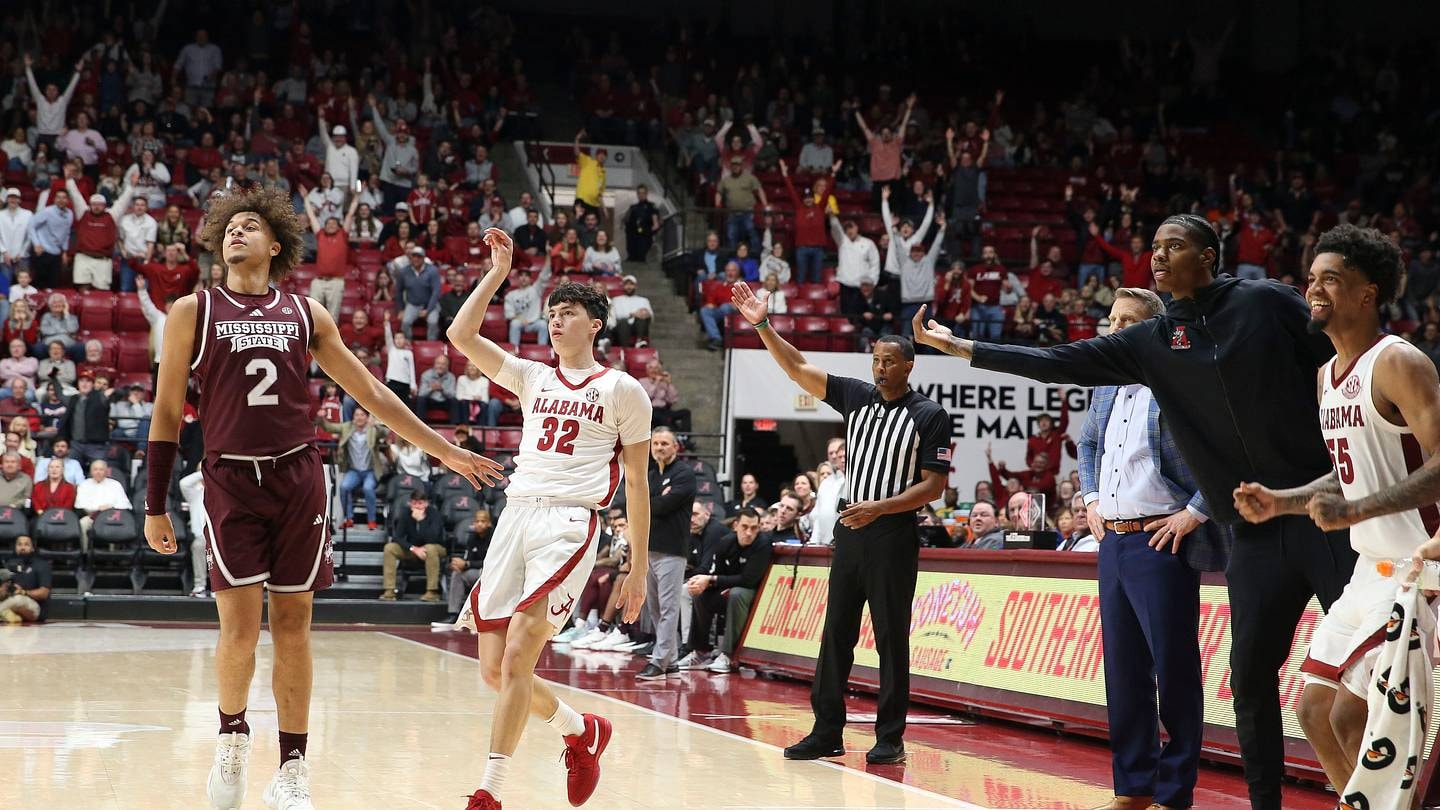
Kai Spears, a former member of the Alabama men’s basketball program, has won a $9.25 million defamation verdict against The New York Times, according to reporting published Monday. The case centers on an alleged error in a 2023 story that connected Spears to a fatal shooting, with Spears saying he was incorrectly identified in the coverage.
Spears was described as a former Alabama basketball player, and the reporting identifies him as a walk-on. The disputed publication, as characterized in the coverage, reportedly linked him to the 2023 fatal shooting of Jamea Harris, a death that drew significant public attention. The key claim underlying the lawsuit is that the newspaper’s identification was inaccurate.
The verdict amount is described as “staggering” in the publication covering the outcome, but the available information here focuses primarily on the award itself rather than the full legal reasoning. Defamation cases in the news context typically turn on whether a statement of fact was published to others, whether it was false, and whether the speaker or publisher acted with the required level of fault under applicable law.
For college basketball, the case is unusual because it does not involve on-court issues. Instead, it underscores how athletes who later leave the spotlight can become entwined with national news narratives through misidentification. Even when a player’s sports role is limited, a credible public record can matter when an unrelated high-profile incident becomes part of a story.
The Alabama connection adds another layer. A walk-on’s identity is tied to the team’s history and recruiting footprint, and misidentification can ripple into how fans interpret an individual’s life after school. The verdict, if upheld through any post-trial steps, could also affect how news organizations handle sourcing in breaking or emotionally charged cases.
Still, several important specifics are not available in the material provided for this write-up, including where the case was heard, whether the verdict resolved all claims, and what the court determined about fault or damages. Those details are often decisive for what happens next, including any appeals.
The next thing to watch is whether The New York Times challenges the verdict and what the litigation record shows about the standards the court applied. For Spears, the immediate result is the award itself; for the broader sports and media landscape, the case may shape future attention to identity verification when reporting intersects with athletic backgrounds.
Why It Matters
- The verdict highlights the real-world stakes of identity verification in major news stories that can include people with public sports ties.
- It is a reminder that athletes, including walk-ons, can still be affected by media errors long after their on-court role ends.
- If the decision is upheld, it could become part of the broader conversation about how newspapers correct or substantiate names in breaking incident coverage.
- For Alabama basketball, the story adds a non-athletic chapter to the program’s alumni narrative and how the public associates players with national events.
Key Facts
- Kai Spears, a former Alabama basketball walk-on, won a $9.25 million defamation verdict against The New York Times.
- The lawsuit stems from a 2023 report that allegedly misidentified Spears in connection with the fatal 2023 shooting of Jamea Harris.
- The published account characterizes Spears as the incorrectly identified subject of the earlier reporting.
- The case outcome was reported on August 22, 2026 by Busting Brackets.