
THE APEX TIMES
A year that looks like a partial fix, not a full resolution, leaves the Reds still weighing how much they can count on Hayes as their long-term answer at third base heading into 2027.
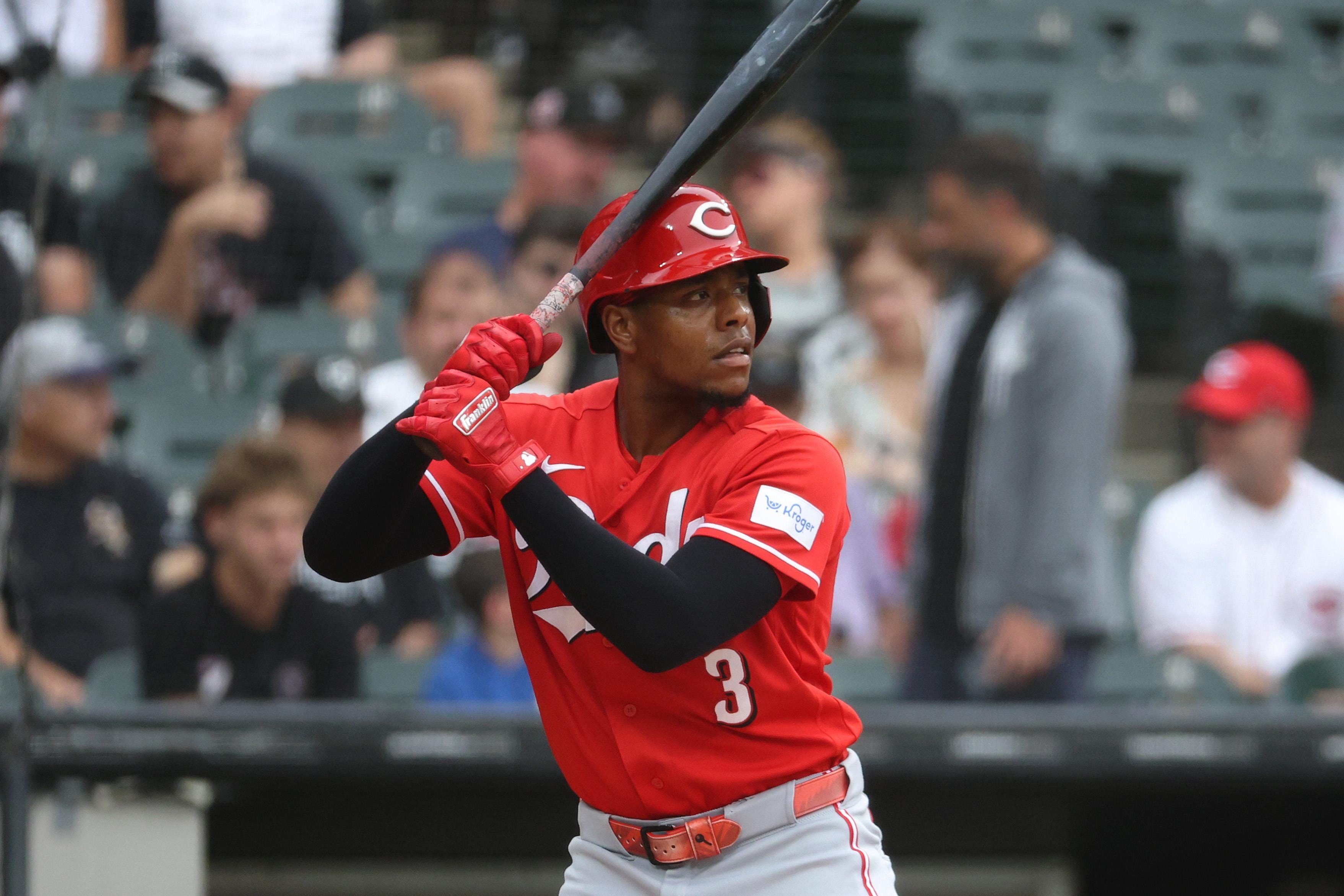
Cincinnati’s third-base decision for the 2027 season is effectively in Hayes’ hands, at least in the near-term. Yahoo Sports framed the situation around Ke’Bryan Hayes as a player the Reds will likely entrust as their Opening Day third baseman in 2027, with the broader message that his approach has improved but the risk of a recurring “mess” at the position is not fully gone.
The headline sets the tone: the Reds are not treating the third-base role as settled simply because Hayes has made progress. Instead, the argument is that the path forward still involves caveats, because a turnaround that “works, a bit” does not automatically remove concerns about consistency and day-to-day reliability. In other words, Cincinnati can plan on him being a key piece, but it still has to evaluate whether that plan is stable enough to shape the rest of the roster construction.
From a roster-building standpoint, third base is one of the more leverage-heavy positions on a baseball diamond. It affects how teams structure infield defense, double-play alignments, and the practical use of bench depth. If Hayes becomes the de facto starter for Opening Day 2027, the Reds can calibrate their infield strategy around his skill set, but they still need contingency plans if his performance swings or his profile does not translate cleanly over a full season.
The Yahoo framing also suggests the Reds are likely to view third base through two lenses at once. One lens is competence, where Hayes’ improvements indicate he can handle major-league responsibilities. The other lens is profile fit, where the team’s comfort depends on whether those improvements are durable, repeatable, and present in the moments that define a season, from late-inning pressure to the grind of an 162-game schedule.
There is also a developmental implication, even if Hayes is the most visible figure in the conversation. When a team expects a veteran to be the everyday third baseman, it reduces urgency to search for a quick replacement. But when uncertainty remains, teams often keep other options active, whether through internal depth, positional versatility, or considering how future roster moves could stabilize the corner-infield spot. Cincinnati’s 2027 planning therefore becomes a balancing act between sticking with an improving player and protecting the season against unresolved questions.
Looking ahead, the most important thing to watch is whether Hayes’ improvement reads as a sustained trend rather than a short-lived stretch. If his day-to-day execution holds steady, Cincinnati’s third-base question can shift from “Can he be counted on?” to “How does the Reds’ infield identity look with him in place?” If it does not, the organization will likely keep its options open and treat third base as a continuing roster priority rather than a concluded assignment.