
THE APEX TIMES
Kenny Dillingham turns a defensive end into a tight end as ASU tries to fix its offense
Arizona State coach Kenny Dillingham met with the team after practice and, amid dissatisfaction with the offense, implemented a position shift intended to create new looks on the field.
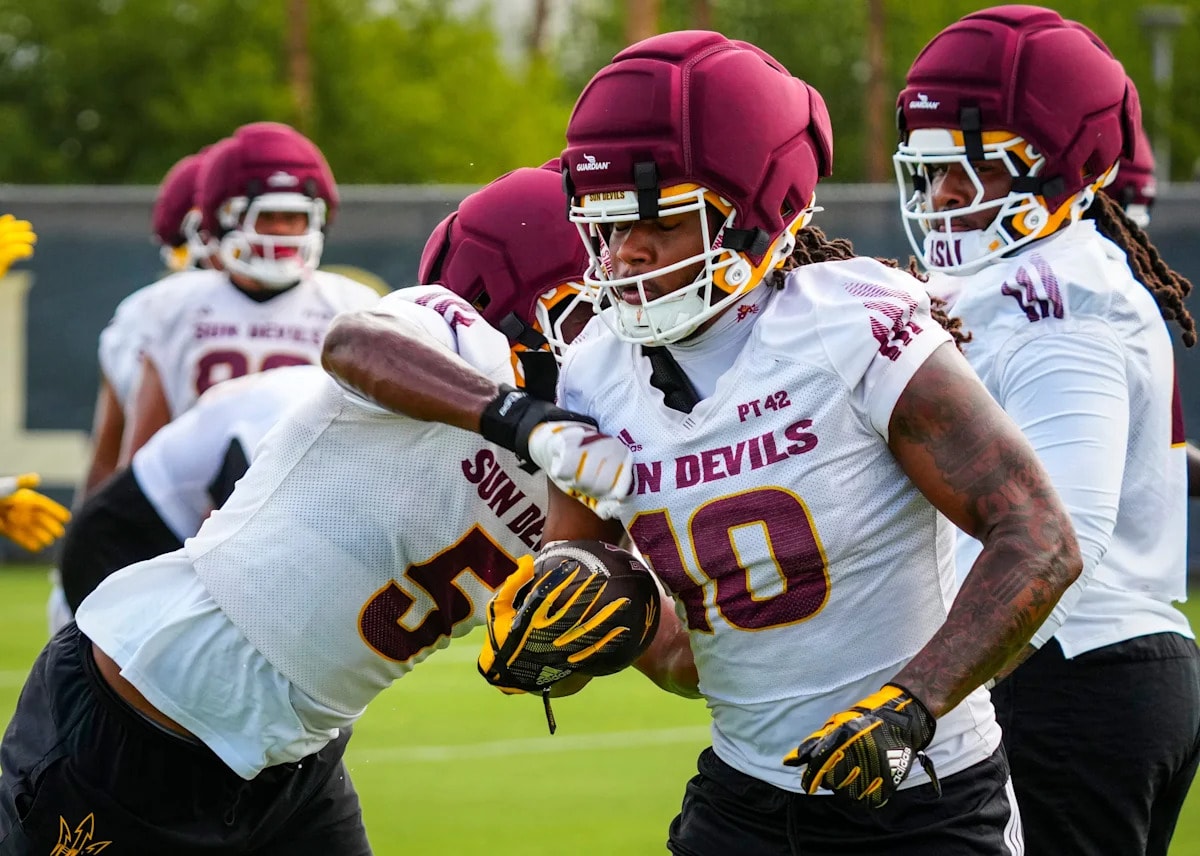
Arizona State opened another day of preseason work with a notable change of roles: coach Kenny Dillingham moved a defensive end to the tight end position as the Sun Devils try to address concerns about their offense. The shift was put in place following practice on Aug. 18, when Dillingham was described as more demonstrative and vocal than usual while speaking to his players afterward.
The decision is rooted in the simplest reality of camp football, the offense has not looked the way the coaching staff wants it to. According to the report, Dillingham was not pleased with how the unit has been performing, and he used the practice environment to push for an immediate adjustment rather than waiting for later in the calendar.
Moving an edge defender to tight end is not a typical, tidy switch. Tight end play can ask for quick, precise route running, different angles in blocking assignments, and a familiarity with how defenses match up when a quarterback sees a condensed formation. By contrast, an outside pass rusher’s instincts are built around winning space with hand placement, leverage, and a burst off the line. The hope, at least in principle, is that the athletic traits that made a defensive end effective can be repurposed into a receiving-and-blocking option that causes matchup problems or creates a dependable target.
For ASU, this type of internal trial carries two immediate benefits. First, it can widen the coaching staff’s playmaking toolbox during practice by giving quarterbacks another type of weapon. Second, it can accelerate evaluation, letting the staff quickly determine whether the new role improves production, protection, or simply gives the offense a different identity in 11-on-11 work.
Because the report does not provide further specifics in the information available here, there are limits to how precisely the change can be interpreted. It is not clear how long the defensive-to-tight end experiment is expected to last, whether it reflects a temporary camp look or a more permanent plan, or which exact skills are driving the decision. Still, the underlying message from Dillingham’s meeting appears straightforward: the coaching staff is willing to make personnel and scheme adjustments in-season, even before the opener.
What to watch next is how the offense performs in the weeks that follow and whether the coaching staff keeps the new alignment consistent across practices or adjusts it based on results. If the moved player shows comfort in route concepts and can contribute in blocking assignments, the trial could become a foundation for an additional tight end package. If not, the move still may serve its purpose as a rapid diagnostic tool, confirming what the offense can and cannot build around.
Why It Matters
- An offensive identity often starts in preseason decisions, and position shifts can report how a staff plans to generate productivity under pressure.
- If the experiment works, it could create a matchup advantage, especially when an athletic former edge defender can influence both the passing game and blocking.
- Camp changes like this can affect practice tempo, rep allocation, and how quickly the quarterback gets chemistry with new targets.
Key Facts
- Arizona State coach Kenny Dillingham moved a defensive end to the tight end position after practice on Aug. 18.
- The change was described as part of an effort to improve an offense that Dillingham was dissatisfied with during camp.
- Dillingham met with the team after practice and was reported to be more demonstrative and vocal than usual.