
THE APEX TIMES
Kentucky’s defense takes center stage in an overtime win over LSU
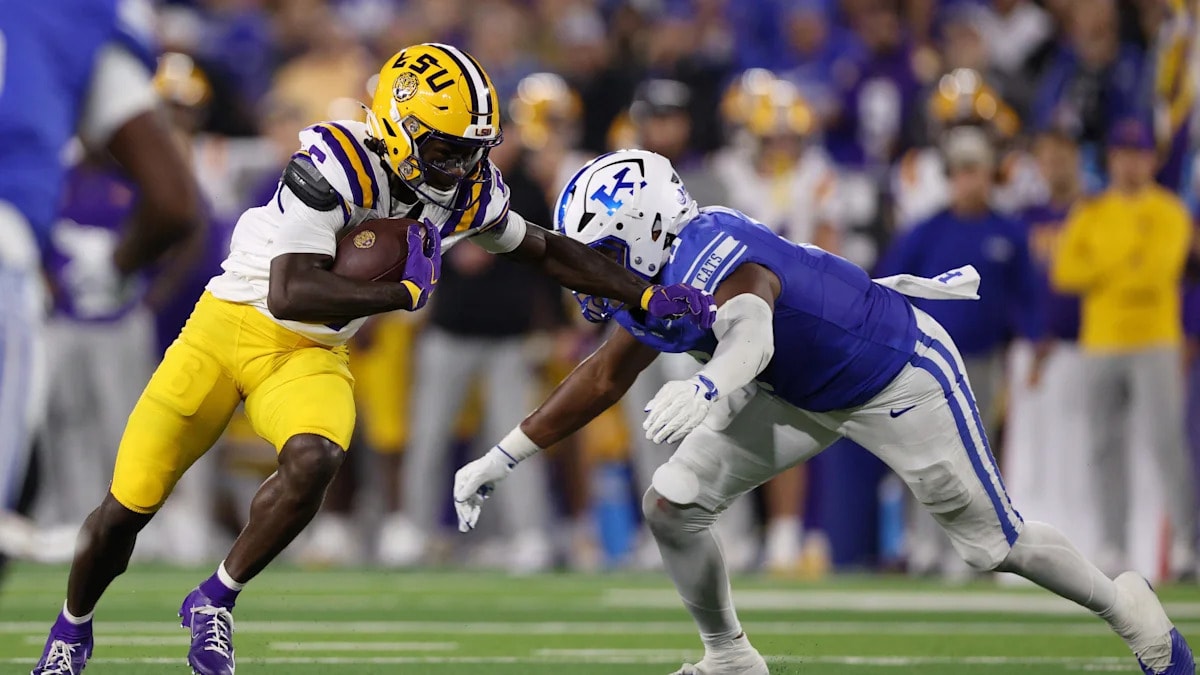
The Wildcats extended a hot start with an overtime victory that featured two straight walk-off two-point conversions, underscoring how Kentucky’s defense set the table when the game was at its tightest.
Kentucky turned a late push into a late answer, defeating LSU in overtime in a finish defined by two consecutive walk-off two-point conversions. The result did more than move the Wildcats to the win column, it reinforced a theme of the season so far, where Kentucky has been able to win close games and keep momentum when games go long.
The Wildcats entered the matchup with a 5-1 record and are drawing national attention as a result of how the offense and defense have performed together in high-leverage moments. After the Tigers forced overtime, Kentucky’s special-teams and decision-making in the overtime period became the signature, but the defensive side of the ball was the foundation that allowed Kentucky to stay alive long enough to execute.
In the aftermath of the overtime win, Kentucky-focused coverage highlighted specific defensive players and roles within the unit’s performance. That framing matters because overtime games often hinge on stops, forcing field-position advantages, or limiting the opponent’s ability to manufacture a full scoring drive when each possession carries extra weight.
College football overtime is structured to reward sustained stops, and the two-point conversion phase amplifies that pressure. Once a game reaches the point where teams trade conversion attempts, the ability to disrupt protection and receivers, and to prevent clean separation, can be decisive. Kentucky’s win, with back-to-back walk-off conversions, suggests the Wildcats were not only able to respond tactically, but also to create the kind of defensive disruption that turns one possession into the finish.
Kentucky’s defensive emphasis is also significant given the opponent. LSU is typically built to challenge teams across the line of scrimmage and in the passing game, making it difficult for defenses to settle into rhythm. When a defensive unit stands up in overtime, it often reflects better late-game communication and quicker adjustments, particularly after the first series of the extra period.
The Wildcats also carry a national ranking conversation with them, with Kentucky noted as being ranked 15th after the win. Ranking movement is not just a metric, it can affect how opponents game plan and how the recruiting and development story is told. A defense-led overtime win gives Kentucky a clear point of identity, especially early in a season where consistency can be hard to maintain.
Looking ahead, the key question for Kentucky is whether the overtime formula becomes repeatable rather than exceptional. The defensive “spotlights” style of reporting indicates that multiple players and responsibilities are contributing, which is generally the kind of depth that holds up as schedules get more challenging.
For LSU, the overtime loss is a reminder that games can swing on a single stop or conversion stretch, even when a team manages to reach the extra period. For Kentucky, the near-instant finish in overtime creates a carryover effect, but the next test will be whether the Wildcats’ defensive confidence translates into tighter second halves and fewer opportunities for opponents to force overtime again.
Why It Matters
- Overtime games often hinge on late defensive disruption and leverage plays, and Kentucky’s finish highlights that the defense helped create the conditions for a quick end.
- Back-to-back walk-off two-point conversions underscore the margin for error in overtime, making defensive execution a bigger part of the team identity.
- Kentucky’s reported No. 15 ranking after the win reflects how quickly early results can shape the national perception of a program.
- If Kentucky can consistently manage high-leverage stops, it improves its odds of staying in contention late in the conference schedule.
- For LSU, the loss is a reminder that reaching overtime is not the same as finishing, particularly when the opponent converts immediately.
Key Facts
- Kentucky defeated LSU in overtime.
- The overtime finish included two straight walk-off two-point conversions for Kentucky.
- Kentucky entered the game with a 5-1 record.
- The win increased Kentucky’s national profile and was followed by a report listing the Wildcats at No. 15.
- Postgame coverage centered on which Kentucky defensive players and roles contributed in the overtime win.