
THE APEX TIMES
Kirby Moore’s move to WSU highlights how quickly college football is reshaping itself for 2026
As summer winds down, coaching changes, shifting storylines around high-profile players, and even federal-level debate over college sports rights are all part of a busy offseason recalibration.
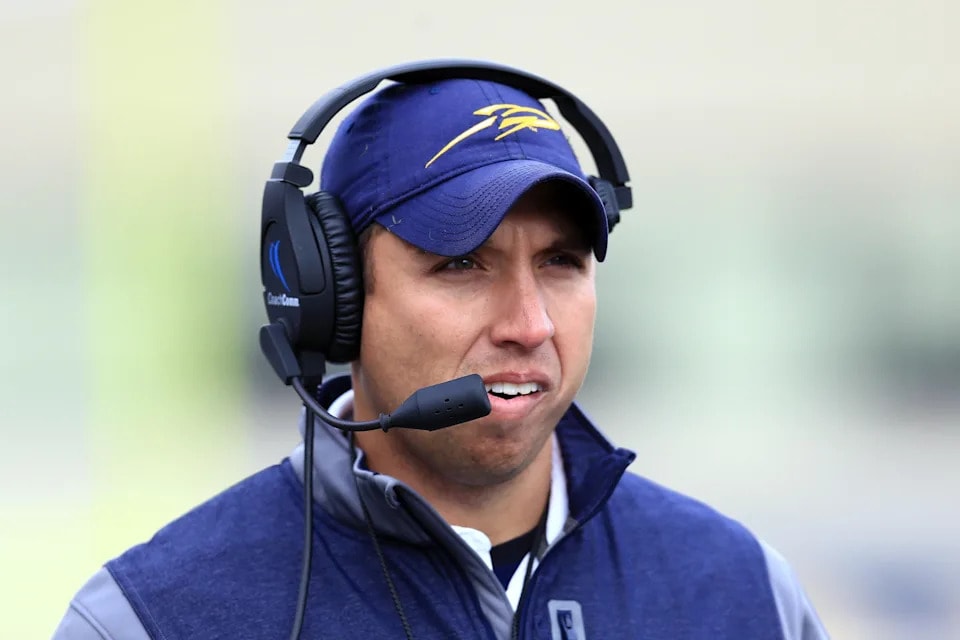
College football’s 2026 calendar is starting to look less like a continuation of last season and more like the opening act of a new era. In one of the most notable coaching swings referenced in the latest league-wide review, former Boise State wide receiver Kirby Moore is now identified as the head coach at Washington State. For fans, recruiting followers, and conference planners, the message is simple: the offseason momentum that once peaked with spring practice has accelerated again, and it is carrying straight into fall camp.
Moore’s head-coaching arrival at WSU is notable in part because it underscores how programs are prioritizing offensive identity and quarterback development as they rebuild their recruiting pitch. Even without a detailed, source-by-source accounting of his staff choices or immediate roster changes, a former player taking over a program indicates a coaching staff trying to connect its messaging to a specific style of football. WSU will need that clarity early, because the first week of the season typically forces new systems to prove themselves quickly, especially against familiar conference opponents.
The same roundup frames this offseason as unusually eventful beyond the coaching carousel. It points to “conference changes” and “rule changes” as part of what teams have to absorb before playing meaningful games, while also emphasizing that the calendar has been full of non-football drama around major names. That matters because modern roster building is not only about talent evaluation, it is also about timing. When multiple rule or conference dynamics are in motion, teams often change how they value certain positions, how they plan for snaps, and how they structure spring-to-fall development.
The report also flags player-specific storylines, mentioning Demond Williams and Brendan Sorsby among the ongoing conversations. While the item does not provide additional details in the material presented here, the inclusion of their names in a league-wide “changes” countdown suggests they are part of the offseason narratives that could influence depth charts and preparation. For programs, those kinds of uncertainties can compress the margin for error, particularly when quarterback roles and skill-position usage are central to early-season game plans.
On the broader national front, the countdown notes that there is current work in Congress on the “Protect College Sports Act.” That kind of legislative discussion is separate from weekend Xs and Os, but it can still affect recruiting posture, NIL strategy, and how institutions communicate opportunity and compliance. If lawmakers move toward clearer rules, athletic departments and coaches will likely need to adjust how they operationalize athlete compensation and eligibility expectations going forward.
What to watch next is less about any single headline and more about how quickly the offseason themes become tangible on the field. For WSU, the key questions are how Moore’s coaching philosophy shows up in preseason practice structure and quarterback usage, and how that translates to early-game execution. Across the sport, teams will be watching whether the reported rule and conference shifts alter the competitive balance in identifiable ways, especially for programs trying to establish a consistent recruiting pipeline.
Why It Matters
- A head-coaching change can quickly reshape quarterback development and offensive identity, which often determines how well a team competes early in the season.
- Conference and rule shifts can change roster valuation and game-planning priorities, affecting recruiting strategy and how programs allocate practice time.
- High-profile player storylines can create preparation challenges for teams trying to stabilize depth charts ahead of fall.
- Federal-level debate over college sports rules may influence how programs structure athlete support and compliance planning.
Key Facts
- The offseason outlook for 2026 is described as highly eventful, with multiple categories of change affecting college football.
- Kirby Moore is identified as the head coach at Washington State, after previously being associated with Boise State as a wide receiver.
- The roundup also mentions conference changes and rule changes among the key offseason factors.
- The item highlights ongoing attention on player storylines involving Demond Williams and Brendan Sorsby.
- It notes active federal legislative work related to the Protect College Sports Act.