
THE APEX TIMES
Kodai Senga flashes 99 mph upside, but Mets face growing bullpen-or-rotation questions
In a start against the Cubs, Kodai Senga began with sharp, upper-90s velocity and quick strikeouts. The Mets’ larger challenge is what to do when that early burst does not hold up over the full outing.
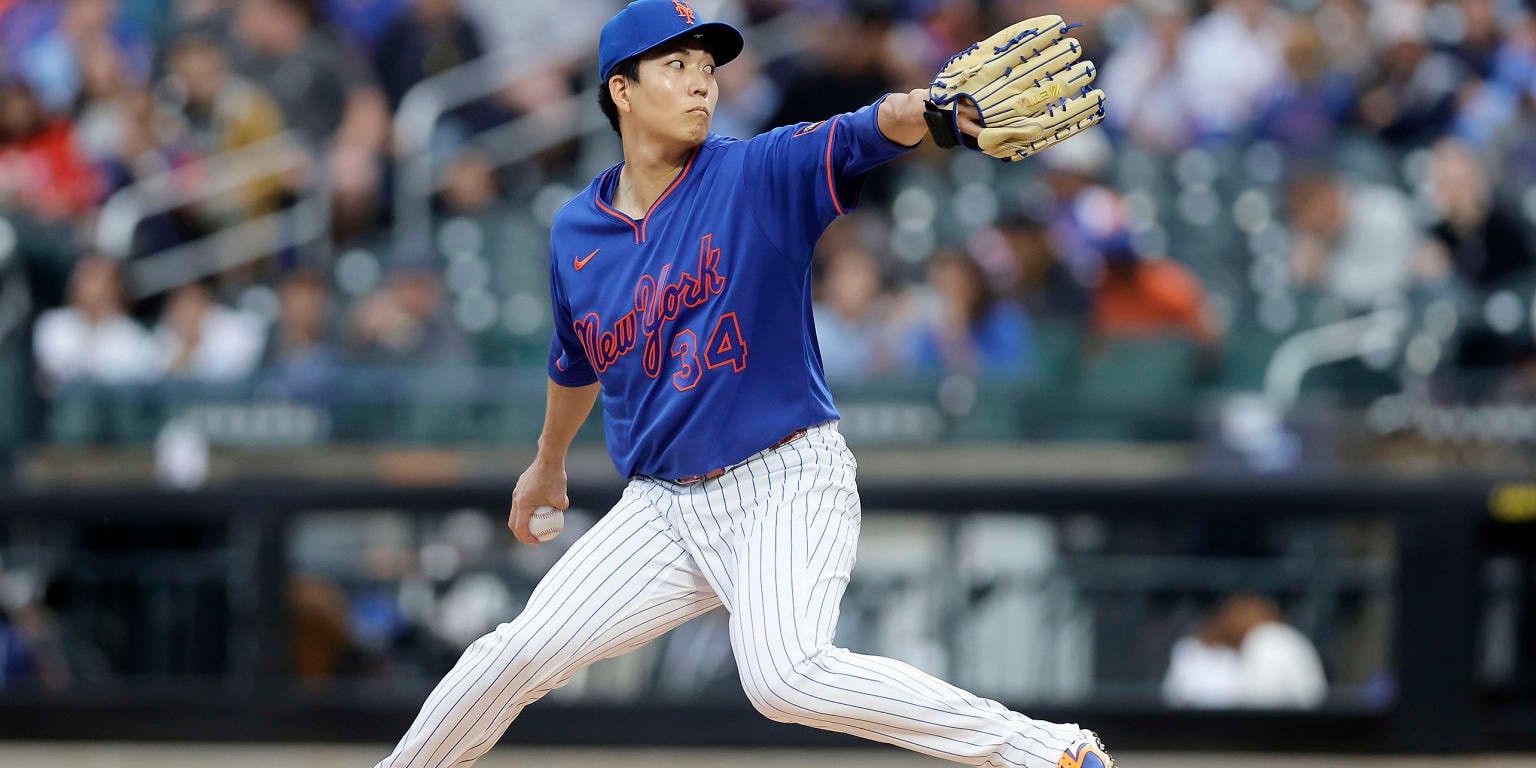
For the first inning of Kodai Senga’s Tuesday start against the Cubs, it was easy to remember why the Mets were willing to bet on his ceiling. MLB’s game recap described a pitcher who looked “electric” for three batters, touching 99 mph with a fastball in the upper 90s. There were multiple swings and misses and strikeouts during that early stretch, the kind of outcome that lets a starter reset the tone of a game.
But the same recap frames the night as more complicated than that opening run. After the early burst of speed and swing-and-miss results, Senga’s performance did not sustain the same level of effectiveness through the rest of the start. That pattern matters because it shifts the conversation from pure “stuff” to how consistently that stuff can translate into outs across multiple at-bats, innings, and pitch counts.
The Mets, as an organization, now have to make difficult judgments about how to value that upside while also protecting the team’s win paths in the middle of the season. The story’s headline language points directly at “tough decisions” about Senga, which in practice usually means weighing options such as how long to stay with a struggling starter, whether to alter usage to manage performance swings, or how to prioritize the rest of the rotation and the bullpen’s workload.
Senga’s situation is especially sensitive because his profile has always been built on velocity and deception. MLB’s recap emphasizes that the early success looked tied to the fastball, including the 99 mph reach. When a pitcher’s best pitch is producing swings and misses, the temptation is to expect that to become the baseline. When it instead comes in short windows, teams must consider whether mechanical adjustments, sequencing, or matchup planning can turn those windows into longer ones.
From the Mets’ standpoint, the decision-making is not simply about one start. Rotation options carry a ripple effect, because every time a team changes what it expects from one spot in the order, it has to rearrange innings and leverage roles for other pitchers behind it. A starter who flashes dominance for a brief opening stretch can still be valuable, but the margin for error tightens once those flashes fail to extend.
For Senga, this kind of night underscores what the rest of the summer may demand. If the upper-90s velocity is there, the question becomes whether command, pitch shape, and the ability to repeat mechanics can keep hitters from adjusting after the first encounter. In a league where batters face pitchers multiple times a season and quickly learn tendencies, “electric” moments have to turn into repeatable at-bat outcomes to stay locked into a starter’s workload.
What to watch next is how the Mets respond to the contrast between the first-inning look and the overall outcome described in the MLB recap. If they continue to treat Senga as a rotation anchor, the focus will be on whether the early burst becomes a longer outing pattern. If they shift his role or tighten what they ask of him, the key will be whether that preserves his ability to deliver the kind of fastball-driven swings and misses that showed up quickly against the Cubs.
Why It Matters
- Consistency is the separator between a high-upside starter and a situational option, and this start highlighted that gap.
- Rotation choices affect bullpen usage and leverage planning, especially during the middle months when each inning matters.
- If the Mets cannot translate early velocity into longer starts, they may need to revisit how they structure pitching matchups going forward.
- Senga’s next outing will likely serve as a litmus test for whether the early burst can expand into a repeatable workload.
Key Facts
- MLB’s recap described Senga as looking “electric” early in his start versus the Cubs.
- During the first inning, Senga’s fastball reached the upper 90s and touched 99 mph.
- The opening stretch included multiple swing-and-miss results and strikeouts against the Cubs’ lineup.
- The recap characterizes the overall outing as another night of struggles after that initial success.
- The report frames the situation as one that will force the Mets into tough decisions about Senga.