
THE APEX TIMES
Kodai Senga’s radar-gun flash returns, but results were hard to find in Mets comeback from the IL
Back in a Mets rotation that has leaned on patchwork options, the right-hander showed signs of the stuff that made him an All-Star level starter, even as his first outing left more questions than answers.
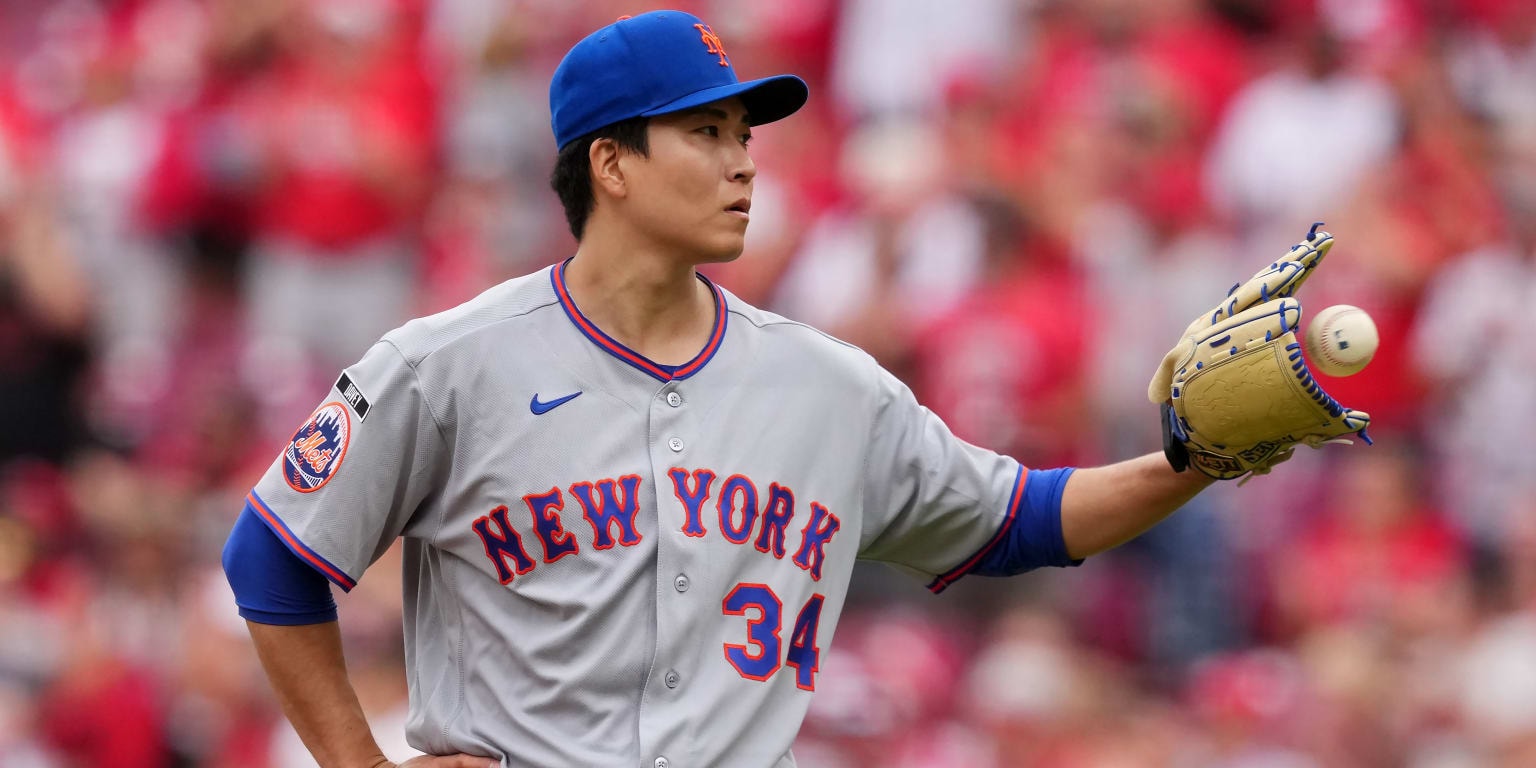
The Mets welcomed Kodai Senga back from the injured list on Tuesday, a move that immediately raised hopes of stability in a rotation that has spent much of the season searching for reliable innings. Senga’s first taste of competitive work after the layoff included at least one encouraging theme: his velocity looked lively enough that the radar gun momentarily reminded Mets fans why he has been a game-changing presence at his best.
The optimism did not last. In the span of three batters, Senga ran into a stretch where the ball was not producing the outcomes he needed, and the early segment of the outing underscored how difficult the transition can be when a pitcher is trying to locate his rhythm and convert stuff into outs. MLB’s report framed the day as a “return” that contained sparks but did not yet translate them into results.
There is a certain realism that comes with watching any pitcher come back from the IL, particularly one whose role often depends on timing and command. Even when the raw tools show up quickly, sequencing still has to catch up: hitters adjust to the pace of the new clock, your breaking ball needs consistent shape, and command must hold across multiple plate appearances. MLB characterized the return as one where those conversions did not happen quickly enough.
For the Mets, the stakes go beyond a single start. Rotation health is a moving target across the season, and every time a key arm comes back, the organization is effectively auditioning a longer-term plan. Senga’s reappearance was intended to be a stabilizing event, but the early struggles suggested the Mets may still be balancing patience with the urgency of getting innings they can count on.
What Senga’s return did establish is that the underlying talent has not vanished. The same radar-gun excitement that showed up during his comeback aligns with the broader idea that the “stuff” can reappear before the “results.” If the Mets can pair that upward velocity trend with improved command over subsequent outings, they will be better positioned to decide how much they can lean on him as a true anchor.
The immediate follow-up is straightforward to watch: whether Senga’s next turn shows cleaner at-bats allowed, better sequencing beyond the opening cluster of hitters, and a more consistent ability to miss bats or turn contact into outs. The Mets, in turn, will be gauging how quickly his return from the IL becomes more than a promising start and turns into the kind of rotation reliability that changes a team’s daily math.
Why It Matters
- A successful IL return can reshape a rotation’s workload and reduce the need for short-term improvisation.
- Senga’s ability to convert his “stuff” into consistent outs matters for how long the Mets can sustain their pitching plan without disruption.
- Watching the trajectory of his command and sequencing after the initial outing will be key for the Mets’ next decisions.
- For a team managing daily rotation variables, the difference between a promising comeback and a dependable starter can be decisive over time.
Key Facts
- Kodai Senga returned from the injured list for the Mets on Tuesday.
- The Mets hoped his return could help stabilize a rotation described as patchwork.
- MLB reported Senga showed encouraging velocity, including a radar-gun moment.
- MLB also reported that within three batters, early hopes of results quickly faded.
- The outing was characterized as a return with sparks but limited immediate effectiveness.