
THE APEX TIMES
Kyle Freeland’s neck issue looks more manageable, Rockies left-hander says he “feels good”
After exiting early with what the club described as a “stinger” in his last start, the Rockies left-hander has started progressing at Denver, including long-toss work, and is targeting his next turn.
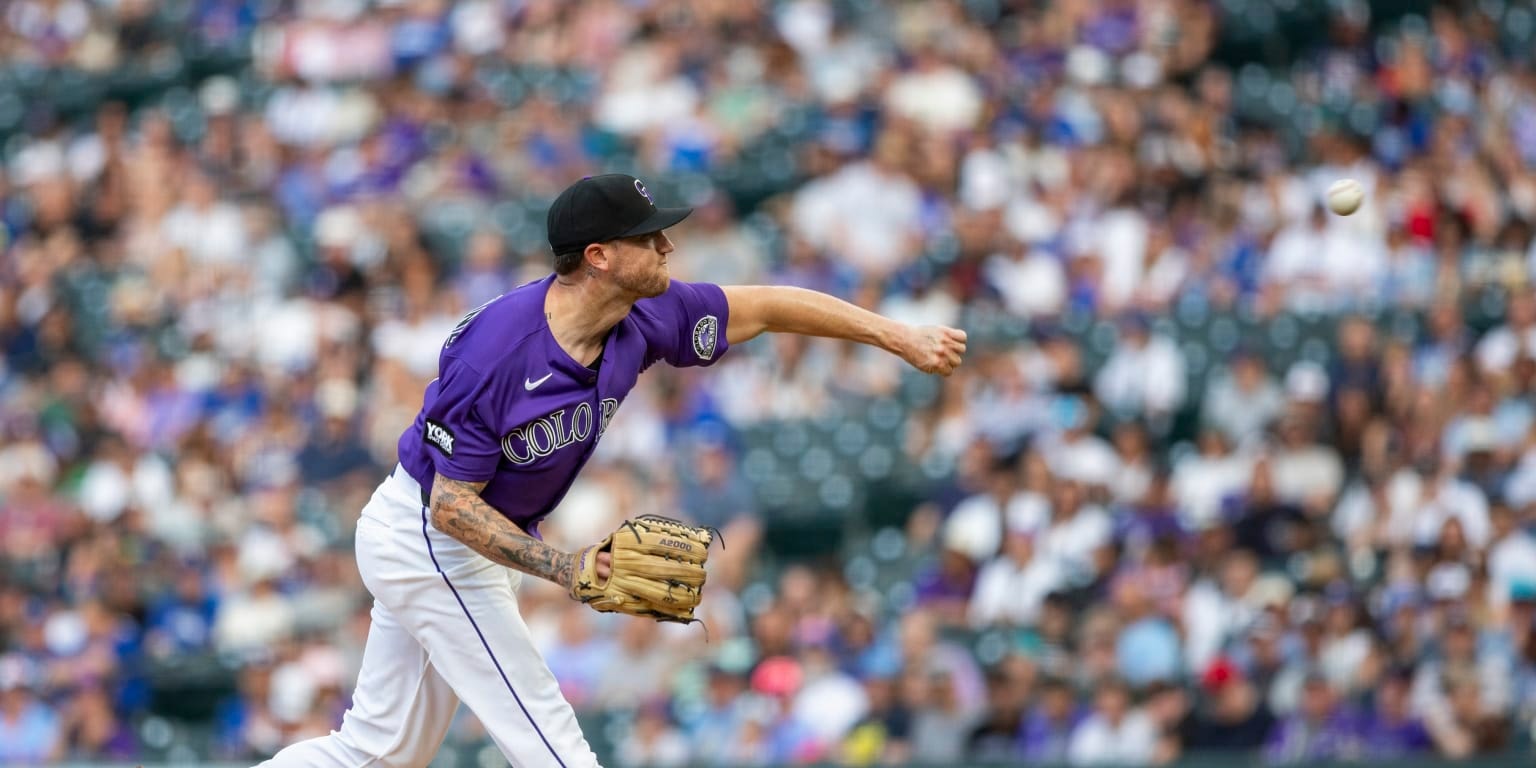
Kyle Freeland left his most recent start early, but his latest update suggests the Rockies left-hander’s current neck stiffness is settling in a way he can live with as his next start approaches. Freeland, speaking through a team report posted by MLB, said he feels good after the issue that forced him to come out of his outing, and he expressed confidence that it may not cost him time in the regular rotation.
The concern began during Freeland’s start at home against the Los Angeles Dodgers, when he was pulled after 3 2/3 innings. The problem was described as a “stinger,” a pinched-nerve type injury more commonly associated with impact sports. In a situation that can be difficult to manage because neck and nerve symptoms can flare up unpredictably, Freeland’s key message was that he is seeing progress rather than deterioration.
According to the report, Freeland’s recovery has included on-field throwing progression, and he worked through long-toss as part of his return-to-play plan. Long-toss is often used as a way to test whether an arm can tolerate increasing throwing volume and intensity, while also monitoring how the body responds as effort ramps up. For a pitcher dealing with neck-related symptoms, the throwing progression becomes an indirect stress test of the mechanics and stability needed to deliver pitches effectively.
Freeland’s comments carried a tone of cautious optimism. He said the neck discomfort is something he believes he is shaking off, and he indicated he hopes to make his next start. That kind of decision depends less on how a pitcher feels in a training window and more on whether symptoms stay controlled as intensity and workload increase, including days that come with more throwing and higher-velocity efforts.
For Colorado, the timing matters because Freeland is a left-handed option in a rotation that tends to be stretched when injuries or innings limits force pitchers to miss starts. A confirmed return would help keep the Rockies’ pitching plan from becoming one built around repeated off-days, bullpen extensions, and last-minute replacements. Even without making any promises about the exact calendar, a pitcher moving forward with long-toss and targeting the next turn is a meaningful step for a staff managing depth and workload.
The “stinger” label also underscores why this update is more than just routine maintenance. Neck stiffness tied to nerve irritation can differ from typical soreness, and it is often monitored with conservative adjustments to throwing and movement to avoid setbacks. Freeland’s report that he feels good suggests his symptoms are not preventing him from progressing, but the team will still need to confirm stability in the days immediately before his next outing.
The next checkpoint for Freeland will be how he transitions from long-toss work into the rest of a starter’s routine, including higher-intensity sessions closer to game speed. If symptoms remain contained, Colorado can move toward a plan that keeps Freeland in the rotation. If the issue reappears when effort ramps up, the team would likely have to revisit the timetable, especially given that nerve-related problems can resurface after being quiet for several days.
Why It Matters
- A left-handed starter returning on schedule helps stabilize the Rockies rotation plan and reduces pressure on the bullpen.
- Neck and nerve-related issues can flare at different effort levels, so Freeland’s progression is an early indicator of how manageable this injury will be.
- The Dodgers start at Coors Field becomes part of the storyline, because the timing of the exit is tied directly to the recovery timeline.
- Colorado’s upcoming rotation decisions will likely hinge on whether Freeland’s symptoms stay controlled as throwing intensity increases.
Key Facts
- Kyle Freeland’s last start ended after 3 2/3 innings against the Los Angeles Dodgers at home.
- The neck issue was described as a “stinger,” involving a pinched-nerve type problem.
- Freeland said he feels good as he continues his recovery.
- His progression included long-toss work as he works toward his next outing.
- Freeland expressed hope that he will be able to make his next start.