
THE APEX TIMES
Kyle Shanahan explains San Francisco’s approach after 49ers targeted skill positions early in the draft
San Francisco’s latest draft class again placed it in the national conversation, not for an offensive line haul, but for early selections of wide receiver De’Zhaun Stribling and running back Kaelon Black, prompting Kyle Shanahan to push back on criticism about the 49ers’ overall OL-building strategy.
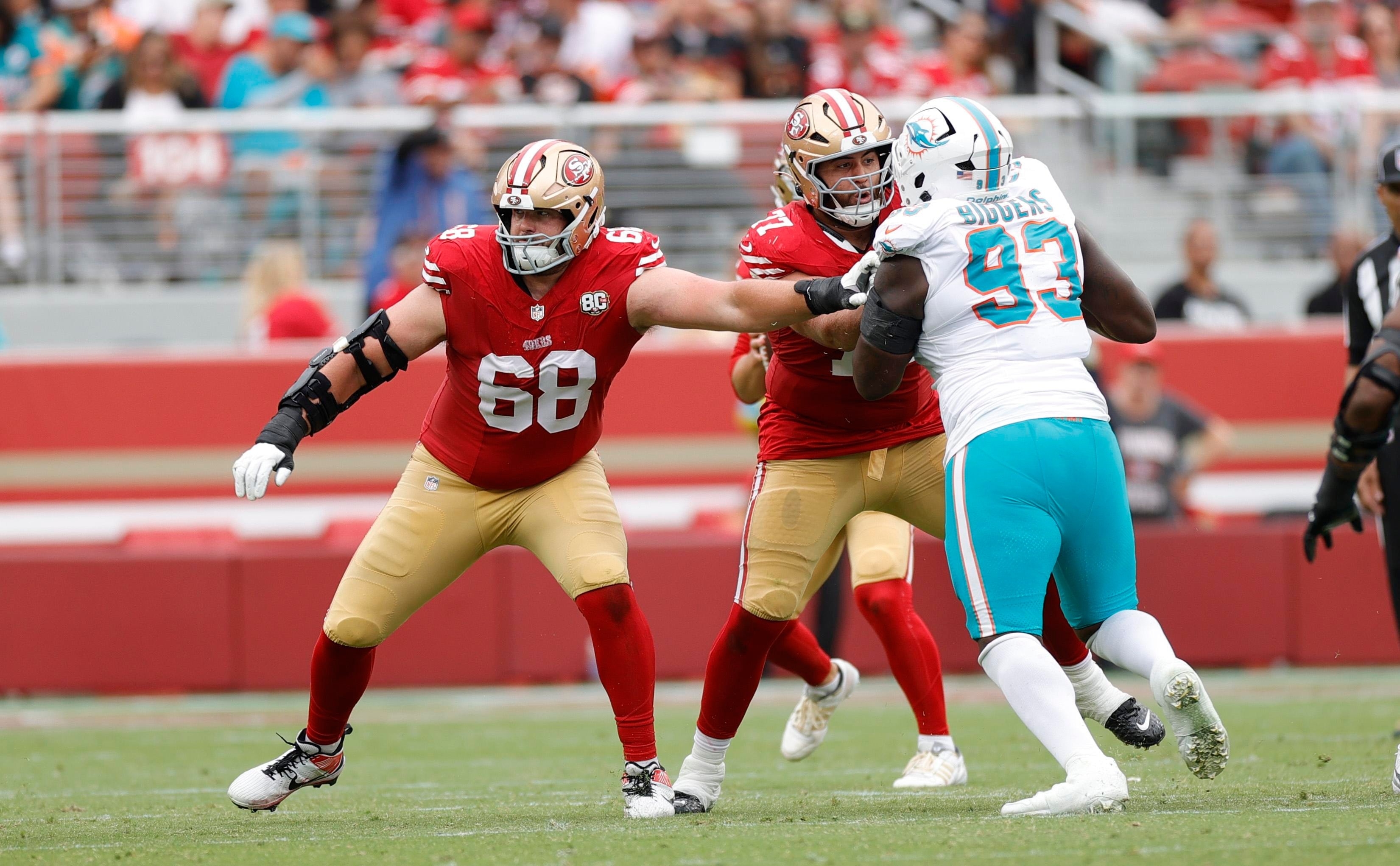
The San Francisco 49ers have faced renewed scrutiny for how they build their offensive line through the NFL Draft, and Kyle Shanahan addressed that criticism with a broader view of what the team thinks “line” development looks like over time. In the wake of San Francisco’s 2026 draft selections, Shanahan framed the 49ers’ process as more layered than simply counting how many true offensive tackles and guards appear in the draft’s early rounds.
The discussion intensified after the 49ers added wide receiver De’Zhaun Stribling with the 33rd pick and running back Kaelon Black at No. 90 overall. Those choices, while focused on positions outside the traditional offensive line pipeline, landed in the same draft cycle that critics have pointed to as evidence the 49ers are not prioritizing the interior and edge protection as aggressively as their star quarterback’s demands would suggest.
Shanahan’s perspective, as described in the report, was intended to show that the 49ers’ roster-building does not run on a single-track model. When a team has a reputation for being structured, fast, and scheme-driven, the offensive line discussion often becomes more than personnel. It becomes about how protection concepts mesh with play design, how the run game shapes defensive behavior, and how skill-position usage can influence coverage and pressure, even if the draft board does not start with an offensive tackle at every turn.
In other words, Shanahan’s argument was less about denying the need for offensive line upgrades and more about reframing what constitutes offensive line progress. For a modern Shanahan offense, the line’s job is tightly connected to the whole unit’s timing, movement, and leverage. That connection can make “OL development” look different from the outside, especially if a team believes it can create advantages with play-calling structure and athletic skill players while still investing in line competence through coaching, scheme fit, and later-round targets.
San Francisco’s offseason pattern, according to the report’s framing, is what has kept the 49ers in the draft conversation. The criticism is not new, but each year it is sharpened by the draft’s visible choices. Picking Stribling in the first half of the draft and Black in the third wave of selections created an easy narrative for outsiders, even if the team’s internal view treats the offensive line as a long-running build that may not be fully reflected in one night’s order.
From here, what matters is whether Shanahan’s framework translates on the field. If the 49ers’ protection holds up and the run game maintains its identity, the argument for a multi-positional approach becomes harder to dismiss. If the offensive line struggles or is forced into constant recovery mode, critics will likely point back to the draft blueprint as the first sign of trouble, regardless of how the team explains the plan.
Either way, the next step is straightforward. The 49ers will need to demonstrate that their draft choices align with their protection philosophy, that their skill players support the offense’s overall efficiency, and that offensive line development is happening even when the headlines focus elsewhere.
Why It Matters
- The offensive line is central to the 49ers’ ability to run Shanahan-style offenses and protect their quarterback, so roster-building choices can have outsized impact even beyond the line itself.
- Early-round selections shape how quickly a team can create immediate offensive advantages, influencing how defenses plan against both the pass and the run.
- Public criticism of draft strategy can affect fan and media expectations, which matters because the franchise’s offensive identity depends on continuity and timing.
Sources
Key Facts
- Kyle Shanahan discussed the 49ers’ approach after the team faced criticism about how it builds its offensive line through the draft.
- San Francisco selected wide receiver De’Zhaun Stribling with the 33rd overall pick.
- The 49ers also selected running back Kaelon Black at No. 90 overall.
- The report places Shanahan’s comments in the context of ongoing national scrutiny of San Francisco’s draft priorities for OL construction.