
THE APEX TIMES
Kyrie Irving’s late-game presence could help explain what the Mavericks missed after a 26-win season
A closer for Dallas may matter less for what the Mavericks can do on offense than for how often close games finally break their way. That is the core argument behind a new look at why Dallas’s results lagged its competitiveness in 2025-26.
Dallas finished last season with 26 wins, but a fresh analysis argues the Mavericks were competitive more often than their record suggests. The idea is that the difference is not best explained by overall talent or roster construction, but by one end-of-game performance element that swings outcomes when possessions tighten and execution becomes more valuable than volume.
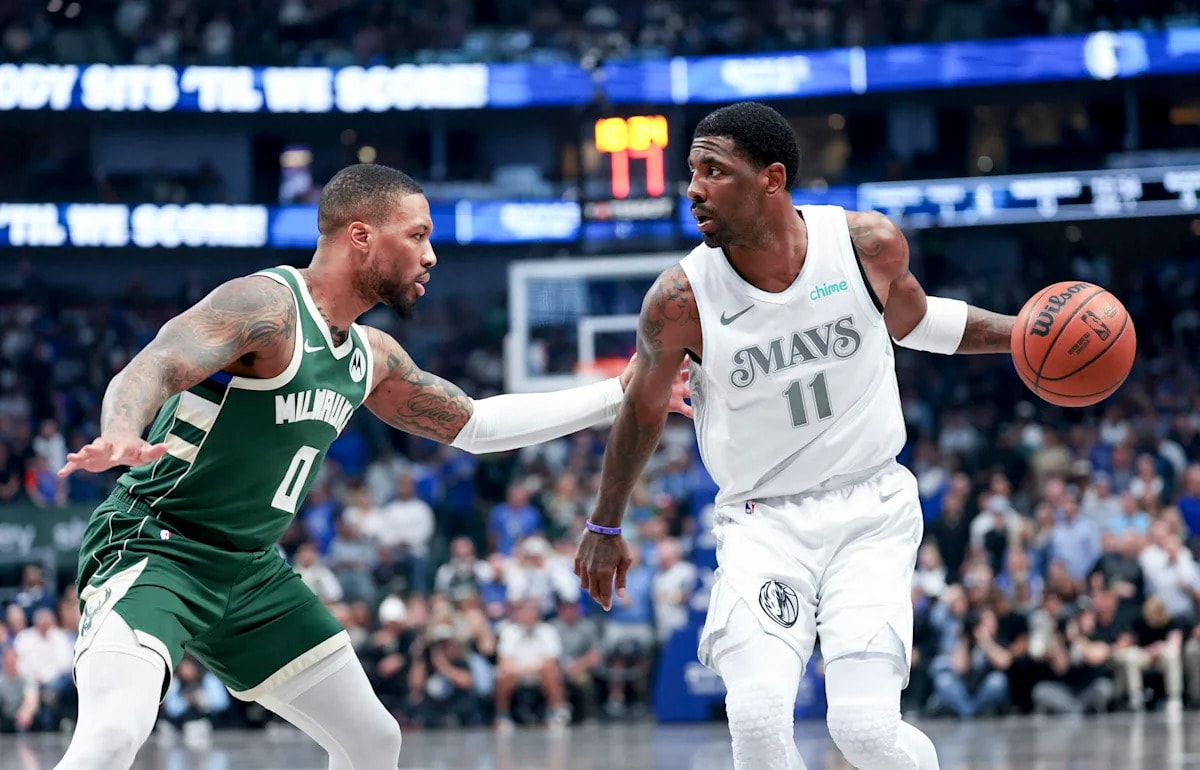
The piece points to Kyrie Irving as the kind of player who can directly change those late-game margins. Irving has long been framed by teams and observers as a creator who can generate high-value shots and advantage plays when defenses are set and shot clocks are unforgiving. In this context, the argument is straightforward, Irving is positioned as a “proven closer” whose skill set fits the moments where a season can turn on a handful of possessions.
Dallas’s specific challenge, as described in the analysis, is that the Mavericks’ win total did not capture the frequency with which they were in games that could plausibly be finished in their favor. When teams spend long stretches within striking distance, the difference between winning and losing often comes down to how reliably they can convert late leads or respond when the other team forces pressure. The analysis suggests that one measurable factor tied to those late situations was the key gap.
Importantly, the article’s thrust is evaluative rather than surgical. It does not focus on incremental tweaks like minor rotation changes, nor does it frame the issue as a fundamental roster mismatch. Instead, it treats Dallas’s record as the product of a repeatable outcome pattern in close games, where the ability to score under stress and make the final decisions matters disproportionately.
For Irving and Dallas, the practical impact would be felt in the aggregate. A team that plays competitive basketball but drops too many close contests can look similar in most box-score categories while still ending up on the wrong side of the standings. If Irving’s late-game role increases Dallas’s conversion rate in those situations, the Mavericks’ season outcome could shift even without a dramatic change in style.
There is also a roster-building lesson embedded in the argument. The Mavericks are not being described as lacking offensive capability broadly. The concern is the last act, the controlled chaos of late-game creation, shot selection, and decision-making when teammates are tightly covered. In modern NBA terms, that is the difference between being “around it” and actually taking control when the game tightens.
Still, this remains an offseason narrative about what could change. One player can influence outcomes late in games, but close-game results can also be shaped by variance, matchups, and the quality of opponents at crunch time. The most relevant test will come when Dallas’s early-season games start stacking up and the Mavericks can show whether their record begins to reflect their competitiveness in the way the analysis anticipates.
If the Mavericks do improve their late-game outcomes, the ripple effect matters beyond wins and losses. It changes how confidently a team approaches fourth quarters, it can alter opponent game plans against Dallas in the final minutes, and it can strengthen the team’s identity as a closer-driven squad rather than one that must play catch-up late. For fans, the question to watch is simple: in the games where Dallas is within a possession or two late, who controls the final possessions, and how often does that control translate into a win?
Why It Matters
- Close-game execution often determines whether a competitive team becomes a winning team, even if most of the box score looks similar.
- If Dallas improves late-game conversion, its standings profile could change without requiring a major overhaul of its offensive identity.
- Kyrie Irving’s role, as described, could become a defining element of Dallas’s fourth-quarter strategy.
- The argument highlights how one measurable end-of-game factor can outweigh broader talent discussions.
Key Facts
- Dallas won 26 games last season, despite being competitive more often than its record indicates.
- A new analysis argues Dallas’s win total can be linked to one end-of-game performance number rather than overall roster talent evaluation.
- The analysis identifies Kyrie Irving as a player whose late-game skill set fits a “closer” role for Dallas.
- The story frames Irving’s impact as most relevant in close games where late possessions swing outcomes.