
THE APEX TIMES
LaFleur shifts to the sideline as Cardinals process Hall of Fame Game lessons
Arizona’s offensive coordinator, Mike LaFleur, describes getting his feet on the turf after years of calling plays from the booth, while the team reflects on what a physical look means when the season begins to take shape.
The Arizona Cardinals are treating their Hall of Fame Game appearance as more than a preseason checkbox. In a team post published Aug. 7, offensive coordinator Mike LaFleur focused on one specific adjustment: being down on the sideline, in the flow of game-day calls, rather than operating primarily from the booth. For an offensive coordinator, that change is not cosmetic. It alters how quickly information moves, how directly the coordinator reads what is happening, and how the staff manages the tempo of scripted sequences.
LaFleur said that sideline involvement was less familiar than it has been in recent years. As described by the Cardinals, his experience has frequently placed him upstairs as a play-caller, a role that tends to emphasize video-based reads and a more insulated command position. The team notes that even during his time with the Los Angeles Rams, he had spent some preseason work on the sideline “just to have a feel,” suggesting this is a gradual calibration, not a sudden reinvention.
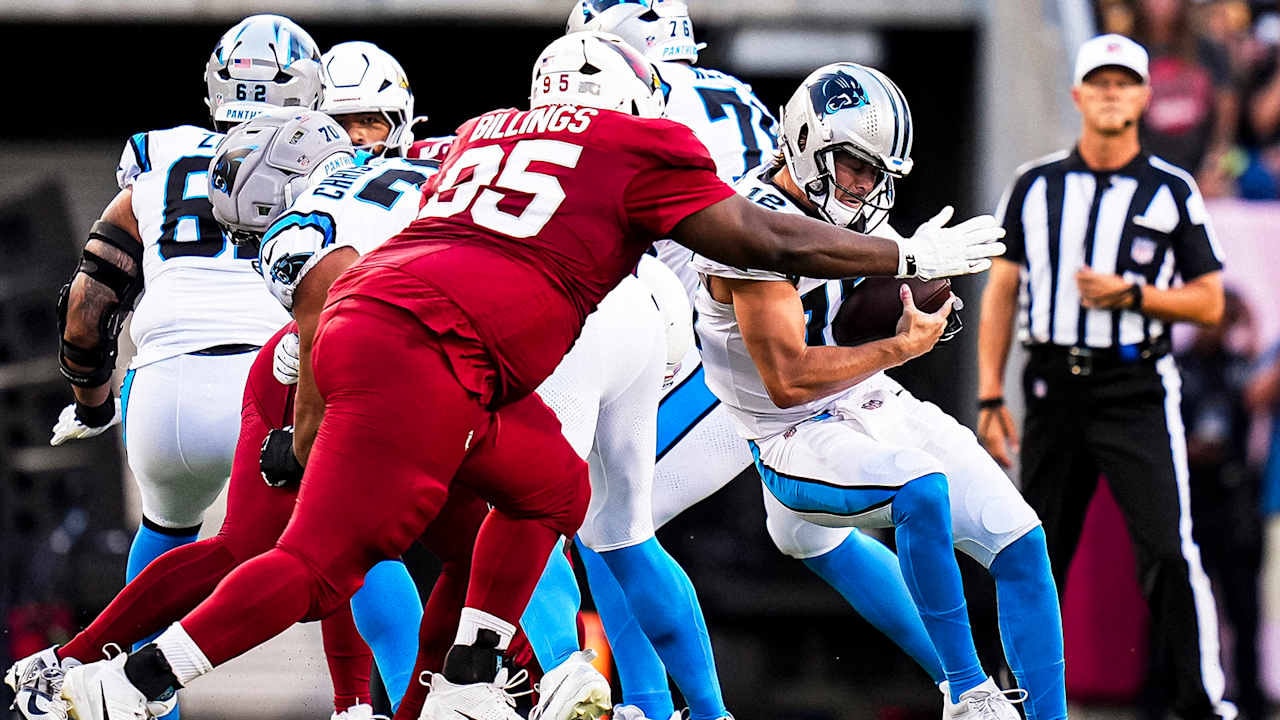
Alongside the coaching logistics, Arizona’s staff looked to the physicality their starters and supporting groups bring when it matters most. The Cardinals’ post ties the early work to the idea of “billing brawn,” indicating a preference for a brand of football where strength, movement, and contact are not just traits, but operating principles. In the Hall of Fame Game aftermath framing, that means the team is paying attention to how it wins the line of scrimmage, how the offense handles defensive pressure, and how execution holds up when the game becomes less sterile than practice.
The Cardinals’ emphasis on process also speaks to the kind of preseason evaluation this window creates. Hall of Fame Game-week often compresses the timeline between installation work and live-game decision-making, so coordinators are expected to notice how calls survive contact and how substitutions affect rhythm. LaFleur’s sideline comments, viewed through that lens, highlight a desire to tighten the feedback loop between what the offense draws up and what the players see when a snap becomes real.
Arizona’s staff review, as presented in the team account, also points to the larger “aftermath” of any preseason opener: turning observations into corrections, then prioritizing what can be fixed quickly. That includes communication habits on the sideline, the way the offense responds to in-game looks, and whether the team’s preferred physical style shows up consistently across drives rather than only in favorable matchups.
What to watch next is whether the Cardinals keep leaning into this sideline-and-execution approach as the preseason moves forward. If LaFleur’s transition results in faster adjustments or cleaner game management from the offensive group, it would reinforce the premise that changing where a coordinator stands can influence the responsiveness of an entire unit. For fans, it is also a reminder that preseason value is often measured by how teams respond, not just how they perform once.
For now, the Cardinals are using the Hall of Fame Game aftermath to set internal benchmarks. LaFleur’s focus on getting “feet on the turf” gives the offseason work a practical endpoint, while the talk of physicality suggests the team wants its identity to show up early, even if the results are not always the final measure. The next games will reveal whether those lessons translate into sharper execution and steadier offensive continuity.
Why It Matters
- Sideline vs. booth coordination can change how quickly an offense adjusts to what it sees during live action.
- Early preseason reviews often determine which coaching and execution fixes receive priority in the final preparation phase.
- The Cardinals’ emphasis on physicality suggests they want their identity to appear in game-like conditions early in the cycle.
- How the offense responds to in-game looks under LaFleur will be a useful indicator for the unit’s readiness as roster work continues.
Sources
Key Facts
- Arizona’s official team post published Aug. 7 discusses Mike LaFleur’s experience moving from a booth-based coaching role to being on the sideline.
- The Cardinals describe LaFleur’s prior tendency as an offensive coordinator to work from the press box.
- The post says LaFleur had some sideline preseason exposure during his time with the Los Angeles Rams “just to have a feel.”
- The Cardinals frame their Hall of Fame Game aftermath around both sideline game management and the team’s emphasis on physical football.