
THE APEX TIMES
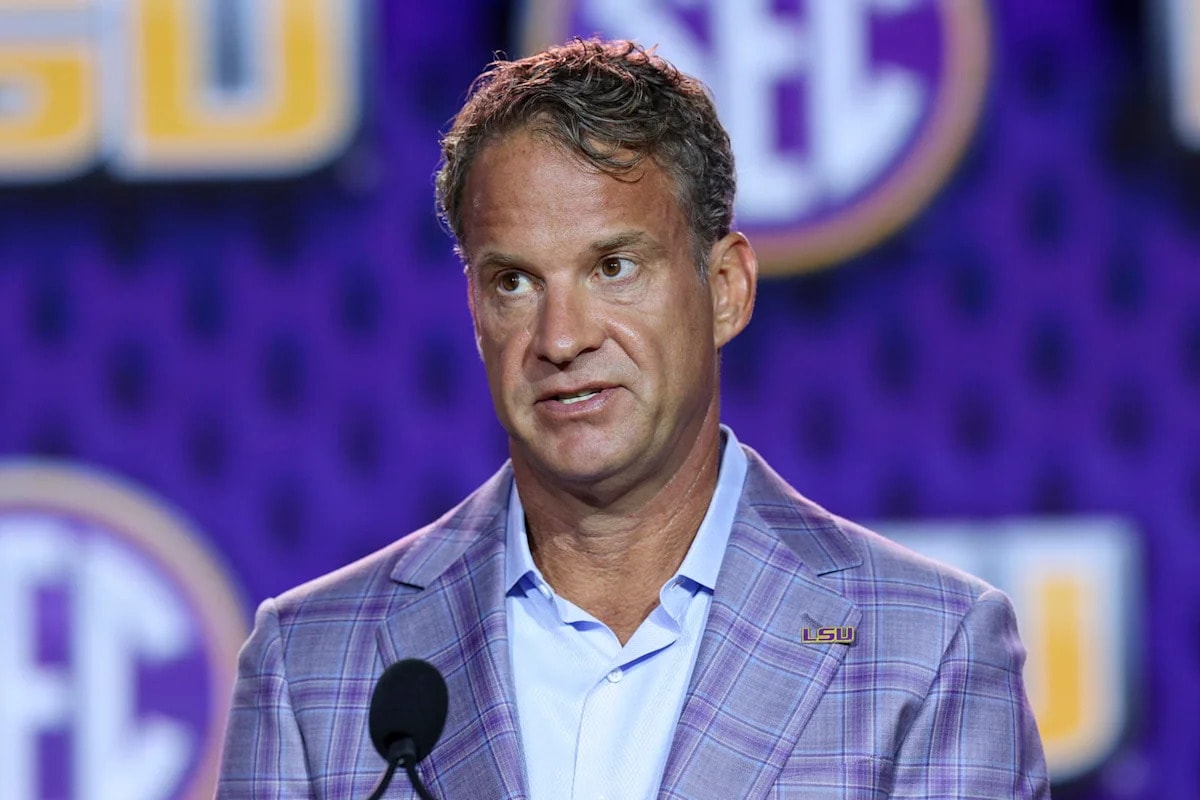
Lane Kiffin explains LSU’s push for Class of 2022 transfer targets
In comments linked to LSU’s latest additions, Lane Kiffin pointed to the value of turning transfer opportunities into immediate talent, including prospects who can help the Tigers move quickly toward competing at the top of the conference.
LSU’s offseason message has been clear: if quality opportunities emerge through the transfer market, the Tigers intend to act. In remarks tied to LSU recruiting momentum, Lane Kiffin discussed why programs like LSU keep targeting Class of 2022 players who have entered the college football transfer pipeline, framing the approach as a way to acquire ready-made contributors rather than waiting for years of player development.
The discussion comes as LSU reportedly added “a couple of new players” in a period described as drawing national attention. One of those additions is identified in the coverage as having already signed an NFL contract, a detail that underscores how transfer recruitment can overlap with players who are not strictly locked into a typical remaining-college timetable. For LSU and other top teams, the attraction is straightforward: the roster can be refreshed quickly with athletes who have already proven they can function at a high level in a college system.
Kiffin’s comments, as presented by Yahoo Sports, center on the logic behind prioritizing Class of 2022 transfers. That age-and-experience band is often where college programs find players who have starter-relevant reps and have made enough of a collegiate résumé to attract attention, while still being able to pivot to a new situation if they believe it offers a better path to playing time, scheme fit, and exposure. In transfer recruiting terms, the goal is to reduce uncertainty and shorten the time between arrival and impact.
For LSU in particular, the transfer approach also affects how the team balances recruiting pipelines. High school recruiting remains the long-term foundation, but adding proven older classes can change the immediate shape of the roster. When a staff pursues multiple transfer targets in the same window, it can also help align the team’s needs across position groups, staffing demands, and practice readiness for the upcoming season.
The broader college football context matters here, too. The transfer portal has become a permanent feature of roster building, and veteran availability has increasingly influenced how top programs plan. Coaches have to evaluate not just talent, but also availability, timing, and whether a player’s skill set matches the offensive and defensive structures the team wants to run. Comments like Kiffin’s reflect that reality: transfer recruiting is less about one-off moves and more about building a roster that can compete immediately.
Still, the exact specifics of LSU’s additions are not fully detailed in the information provided for this report, including which positions were targeted and which player facts were tied to the NFL contract mention. As LSU’s class continues to take shape and as the season approaches, the clearest way to judge the impact will be to watch how the newcomers fit into spring and summer preparation, and whether LSU’s depth chart shows the kind of immediate reinforcement that transfer recruiting promises.
Why It Matters
- Transfer recruiting can accelerate a roster’s readiness for the upcoming season compared with relying only on incoming freshmen.
- Targeting Class of 2022 players indicates a strategy focused on experience and scheme-fit rather than long development cycles.
- How LSU uses transfer additions can influence competitive balance within the SEC, where depth and matchups often decide close games.
- The mention of an NFL-contracted addition highlights how transfer recruiting can intersect with fast career timelines, which can affect roster planning.
Sources
Key Facts
- Lane Kiffin discussed why LSU is recruiting Class of 2022 transfer players.
- Yahoo Sports coverage describes LSU as adding a couple of new players in a way that drew national attention.
- The coverage notes that one of the additions has already signed an NFL contract.
- The framing of the comments emphasizes the value of using transfer opportunities to bring in quality players.