
THE APEX TIMES
Lane Kiffin explains the pull of Ole Miss and why he still pursued the LSU job
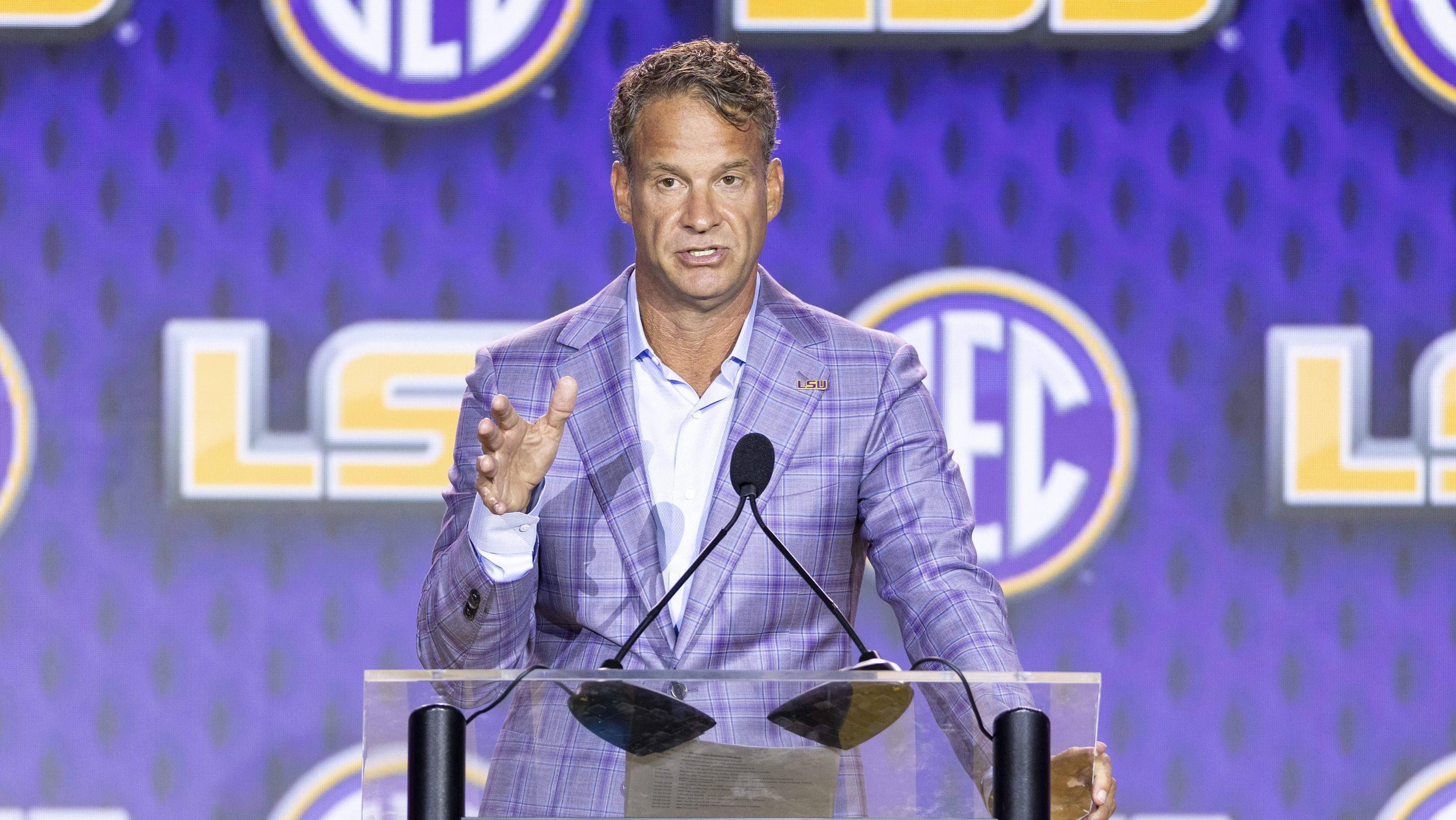
In an extended look at his coaching path, Lane Kiffin described what he valued about Ole Miss and addressed the mindset behind taking LSU’s head-coaching opening after building relationships and momentum elsewhere.
Lane Kiffin has always coached like a man fluent in both football and confrontation, and in a new conversation he returned to one stop that still sits close to the center of his story: Ole Miss. In discussing why he “loved” the program and why the LSU job ultimately pulled him away, Kiffin framed his decisions less as a single betrayal and more as a repeated cycle of opportunity, fit, and timing.
Kiffin’s comments, reported by Yahoo Sports, place Ole Miss in a broader pattern. He described the Rebels as an environment that felt familiar to him, while acknowledging that departures can turn heated. The through line in his recollection is not just that he left, but that the exits matter, because they shape how players, administrators, and fan bases remember a coach once the next chapter begins.
The interview also linked Ole Miss to other stops that have defined Kiffin’s public reputation. According to the Yahoo account, Kiffin pointed to a long list of difficult moments across college and pro football, including a heated relationship in Tennessee, the widely discussed “tarmac” episode connected to USC, and a short-lived NFL run with the Oakland Raiders. The reporting also notes that Kiffin referenced Alabama’s coaching carousel dynamics, including being relieved of an offensive coordinator role just a week before a National Championship.
Taken together, Kiffin’s explanation is less about rewriting history and more about using his past to justify a present-tense worldview. In the way the Yahoo story presents it, he portrays himself as someone who recognizes how fast football can move, how quickly leverage shifts, and how the same qualities that create success in one place can be tested by the next job’s responsibilities. That approach, in his telling, can make a coach feel loyal to what he’s building while still leaving when the professional stakes change.
For LSU, the significance is obvious: a head coach is expected not only to recruit and win games, but to shape a culture that can handle pressure and uncertainty. Kiffin has built much of his career on offensive urgency and competitive intensity, and the Ole Miss context matters because it hints at what he believes was working when he was in familiar territory. If he still associates Ole Miss with a productive style and a usable recruiting footprint, then the LSU job becomes the attempt to replicate those elements at a different scale in the SEC.
But Kiffin’s framing also raises the recruiting and retention question that always follows a polarizing coach. Ole Miss fans, LSU stakeholders, and the broader SEC ecosystem will all read these remarks through the lens of what they can expect when the next opportunity appears. If Kiffin is candid about the emotional and strategic realities of jumping between programs, then program leaders and recruits may take him at his word, even if they do not like the process.
What to watch next is how Kiffin translates the personal narrative into operational decisions. In college football, the proof comes through recruiting momentum, staff stability, and how quickly an offense and game plan reflect the coach’s priorities. His history suggests he will aim for urgency, and his ability to manage the “ugly breakup” perception will likely be as important as any X’s and O’s, especially in a conference where relationships can become recruiting tools or recruiting obstacles within the same season.
Why It Matters
- Kiffin’s explanation connects his personal motives to a coaching identity, which matters for how LSU builds trust with players and recruits.
- Ole Miss is part of Kiffin’s “fit” argument, so his LSU approach may reflect what he believes can transfer from the Rebels to the SEC’s highest-pressure environment.
- The remarks underline how quickly football relationships can turn, shaping recruiting narratives in a sport where reputation travels fast.
- If Kiffin’s leadership style remains consistent, LSU fans can expect emphasis on competitiveness and offensive intent, even amid scrutiny.
Key Facts
- Lane Kiffin discussed why he loved Ole Miss in an interview reported by Yahoo Sports.
- In the same conversation, he addressed why he still pursued the LSU head-coaching opportunity after Ole Miss.
- The Yahoo report places Ole Miss within a larger pattern of Kiffin’s prior coaching departures and public controversies.
- The reporting references heated moments involving Tennessee and USC, including the widely covered USC “tarmac” episode.
- The Yahoo account also mentions Kiffin’s Oakland Raiders NFL stint and his Alabama offensive coordinator exit described as occurring one week before a National Championship.