
THE APEX TIMES
Lane Kiffin’s LSU “ghost” mode goes viral, borrowing symbolism from the Michael Jordan meme
A college football offseason tactic and a pop-culture image have collided, as Lane Kiffin’s LSU “ghost” talk became shorthand for a specific kind of competitive mindset.
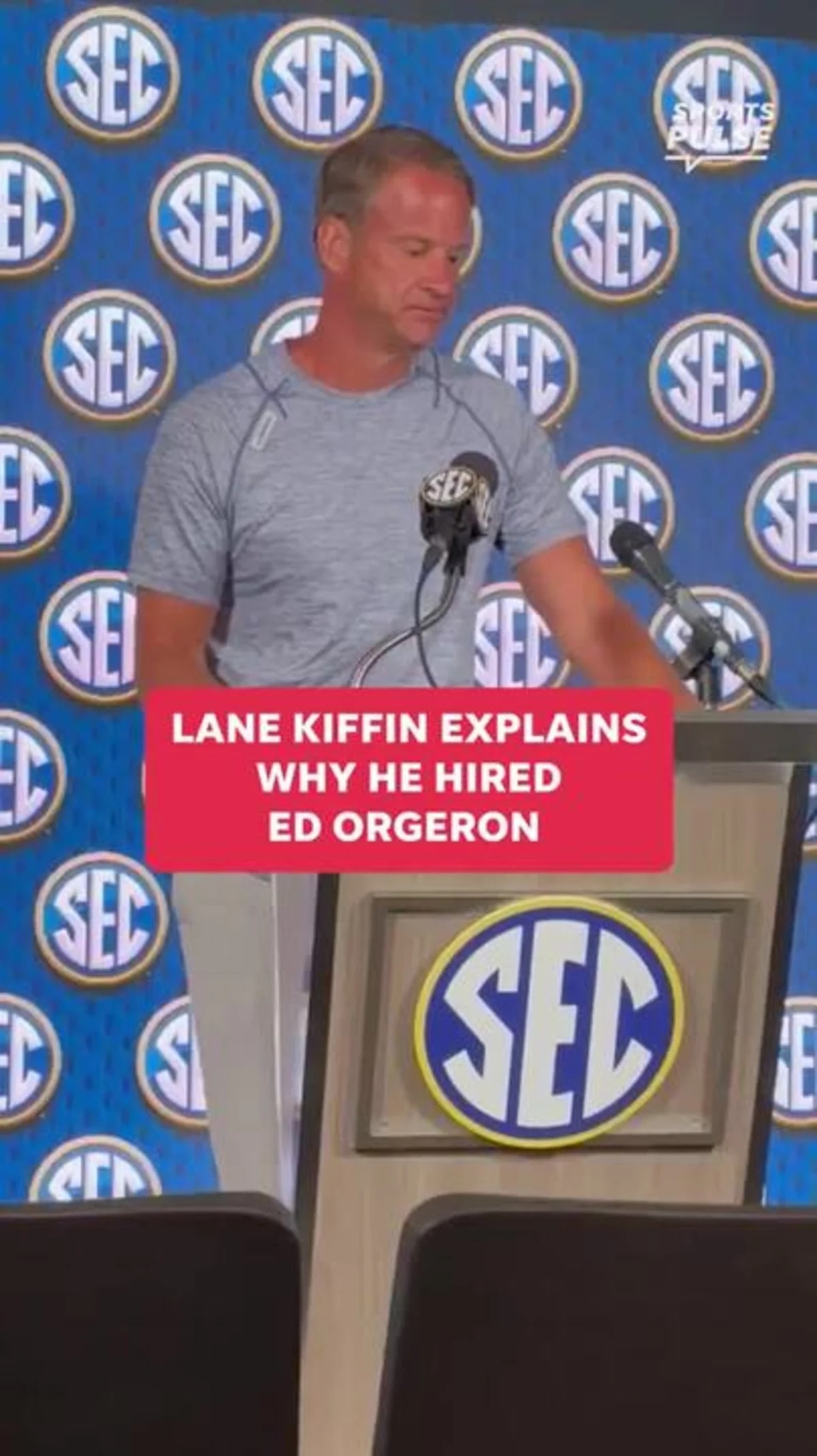
Lane Kiffin’s LSU “ghost” mode is already becoming more than a coaching catchphrase. According to Yahoo Sports, Kiffin’s messaging and the way it’s being discussed online has drawn a line to the Michael Jordan meme that suggests a team or figure arriving when no one expects to see them, then making a decisive impact. In the college football context, that comparison has helped turn a tactical narrative into a cultural one.
The “ghost” idea, as framed in the Yahoo Sports piece, is less about literal spook stories and more about presence versus pressure. Fans and observers are treating “ghost mode” as a way to describe staying under the radar while continuing to operate at full speed. The Michael Jordan meme reference is doing the work of translating that feeling into an instantly recognizable visual, the same way sports culture often turns complex football decisions into a simple, shareable image.
What makes the discussion noteworthy is how preseason and offseason talk can shape perception long before any fall snap is taken. LSU, as a program with national attention and high standards, enters every offseason with recruiting attention, scheme questions, and public expectations. When a coach’s approach becomes a media storyline, it can affect what fans think they are preparing to see, even if the underlying plan stays unchanged.
Kiffin’s public-facing “ghost” framing also fits a wider trend in college football coverage, where coaches and staffs are often evaluated through narrative cues rather than only through outcomes. If the goal is to reduce noise, control messaging, and create focus within the building, then “ghost mode” becomes a useful label. The Jordan meme connection, in turn, suggests the payoff is timing, not spectacle.
Still, it is important to separate branding from proof. A meme can suggest a philosophy, but it cannot confirm play-calling, preparation details, or results. Until LSU’s practices, depth chart decisions, and early-season football actually reflect the “ghost” premise, the story is best read as a window into how Kiffin wants the team to be perceived and how the public is interpreting that framing.
The immediate watch point is how LSU’s on-field identity looks when games begin. If the “ghost mode” language has been used to emphasize preparation, discipline, and late-game efficiency, those should show up in measurable ways, such as situational execution and consistency. If it is mainly a motivational theme for fans, it may fade once the season starts and the conversation shifts to evidence rather than imagery.
Why It Matters
- Narrative can influence fan expectations for a program as high-profile as LSU, even before any season data is available.
- If “ghost mode” is meant to describe focus and timing, fans will look for those traits in early-season execution.
- The meme connection highlights how college football storytelling increasingly travels through viral culture, not just traditional sports coverage.
- It sets up an easy offseason storyline that will either be validated or undercut when LSU’s performance becomes the real benchmark.
Key Facts
- Yahoo Sports reported on Lane Kiffin’s LSU “ghost” mode and connected it to the Michael Jordan meme.
- The central framing is that “ghost mode” has become a shorthand for operating without drawing attention until it matters.
- The Jordan meme reference reflects how sports audiences translate coaching narratives into pop-culture symbols.
- The story is currently more about media perception and team narrative than verifiable, on-field outcomes.