
THE APEX TIMES
Late for Work: Derrick Henry clarifies his retirement vision, as Ravens shape their offseason narratives
Derrick Henry offered an update on where he wants to finish his career, while Ravens voices leaned into the themes around quarterback health, playmaking comparisons, and the promise of a developing secondary leader.
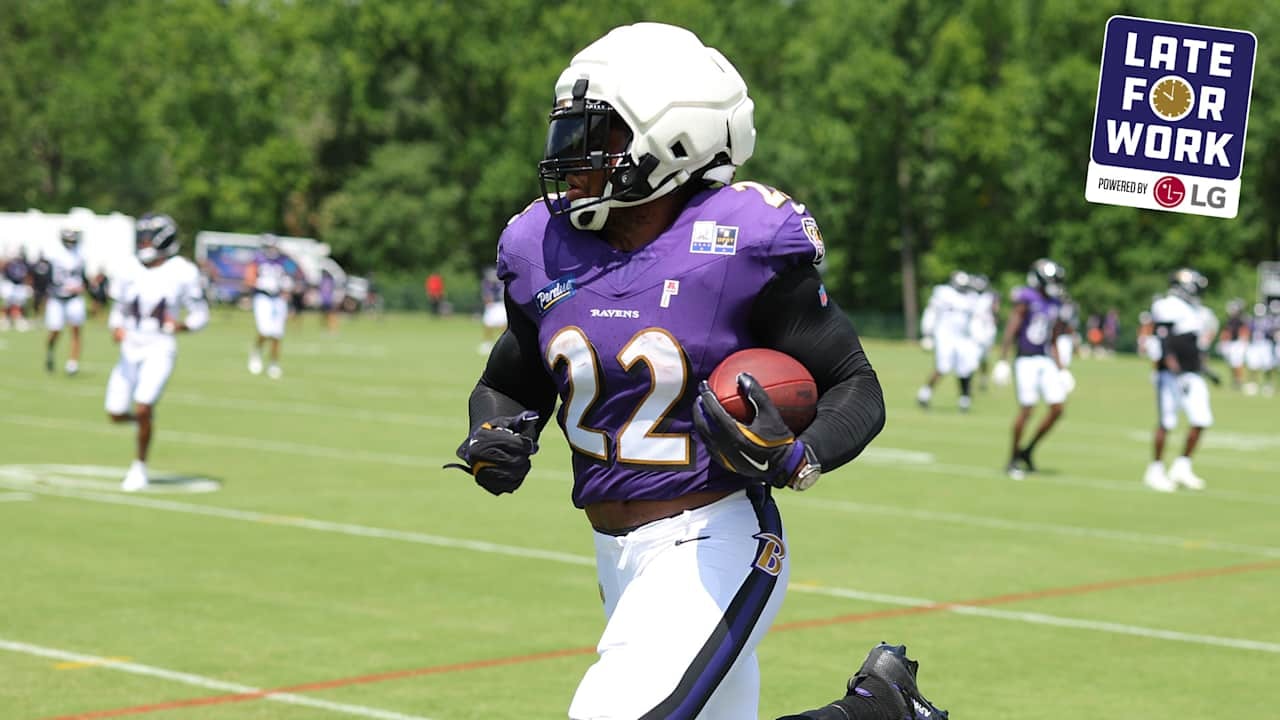
Ravens training-camp conversations often revolve around what is measurable today and what is possible next. In that mix, Derrick Henry added a personal through-line that goes beyond this season. In a late-for-work segment from the Ravens, Henry discussed where he wants to retire, while stressing that the timing is not something he is ready to lock in. The important part for Baltimore is not the calendar, but the stance: Henry’s mindset remains grounded in the present football while his long-term plan stays deliberately undefined.
The segment also used the Ravens’ developmental lens to connect past and present talent. Ja’Kobi Lane, working within the team’s defensive ecosystem, drew a comparison that kept circling back to DeAndre Hopkins. The point was less about identical stat lines and more about the role Hopkins played as a proven threat who could stress a defense in multiple ways, and how Lane’s growth is being measured against that standard of impact.
On the offense side of the NFL discourse, quarterback evaluation remained part of the Ravens’ offseason chatter even when it was not directly about Baltimore. A pundit referenced Lamar Jackson as the league’s best quarterback when healthy over the past two seasons, and then placed him in Tier 2 in a broader ranking framework. That tension, between peak ability and availability, is a familiar debate in the NFL, and the Ravens’ next reactions suggested they do not see it as a settled question.
One of the more pointed moments came from Jesse Minter’s reaction to those narratives. As reported by the Ravens, Minter said that certain storylines about Jackson’s “drive” and the way he is portrayed can be maddening. That matters because it shows how Baltimore’s coaching staff is thinking about the quarterback conversation: less as a headline cycle and more as a player-driven process. For fans, it also indicates that the Ravens are likely to interpret criticism through the prism of what they see in practice and preparation rather than outside rankings.
The defense’s future also entered the frame. Chuck Pagano, speaking within the same segment, discussed the outlook for Malaki Starks and projected that he is going to become “an absolute star.” Starks figures into Baltimore’s ongoing priority of building a secondary that can handle today’s passing games. When coaches talk about stardom early, it usually means they see foundational traits forming quickly, even if the final polishing is still ongoing.
Taken together, the segment reads like a team trying to manage multiple narratives at once. Henry’s retirement remarks keep attention on a veteran’s mindset and durability, while Lane’s comparison and the Jackson debate reflect how Baltimore evaluates performance and character. Pagano’s comments about Starks add a third track, centered on how quickly young players can move from promise to leadership. For the Ravens, the goal is not just to win training-camp reps, it is to decide what roles can grow and what identities can hold up when the regular season begins.
What to watch next is how these themes translate to the field. Henry’s “where, not when” retirement stance suggests he plans to keep showing up as a high-leverage part of the offense. Lane’s progress tied to a receiver-impact mindset will be tested against the routes and body control defenses see every day. On the quarterback side, the Ravens’ frustration with external narratives around drive and health may become visible in how Jackson is coached and handled through camp, while Starks’ development will be measured by communication, range, and the ability to turn assignments into takeaways.
Why It Matters
- Henry’s comments reinforce that Baltimore is planning around sustained veteran leadership, even as his long-term timeline remains open-ended.
- Lane’s development framing shows how the Ravens are measuring defensive growth against receiver-impact benchmarks rather than only technique drills.
- The Jackson discussion highlights a key organizing principle for Baltimore, that the quarterback narrative should align with what coaches see in preparation and performance.
- Coach-to-player praise around Starks indicates that Baltimore’s secondary-building plan includes handing a bigger leadership role to developing talent.
Sources
Key Facts
- Derrick Henry discussed where he wants to retire but did not set a specific timeline, according to a Ravens “Late for Work” segment.
- Ja’Kobi Lane’s remarks in the segment included a comparison that referenced DeAndre Hopkins as a standard of impact.
- A pundit placed Lamar Jackson in Tier 2 in a quarterback ranking while describing him as the best quarterback when healthy over the past two years.
- Jesse Minter pushed back on certain external narratives about Lamar Jackson’s “drive,” saying the storyline is frustrating.
- Chuck Pagano said Malaki Starks is “going to be an absolute star,” describing the secondary’s young-player upside.