
THE APEX TIMES
Lincoln Riley points to a letdown quarter after USC’s 42-26 win over San Jose State
USC opened its Saturday with a dominant run through most of the game, but coach Lincoln Riley said one quarter did not meet the Trojans’ standards in a 42-26 victory.
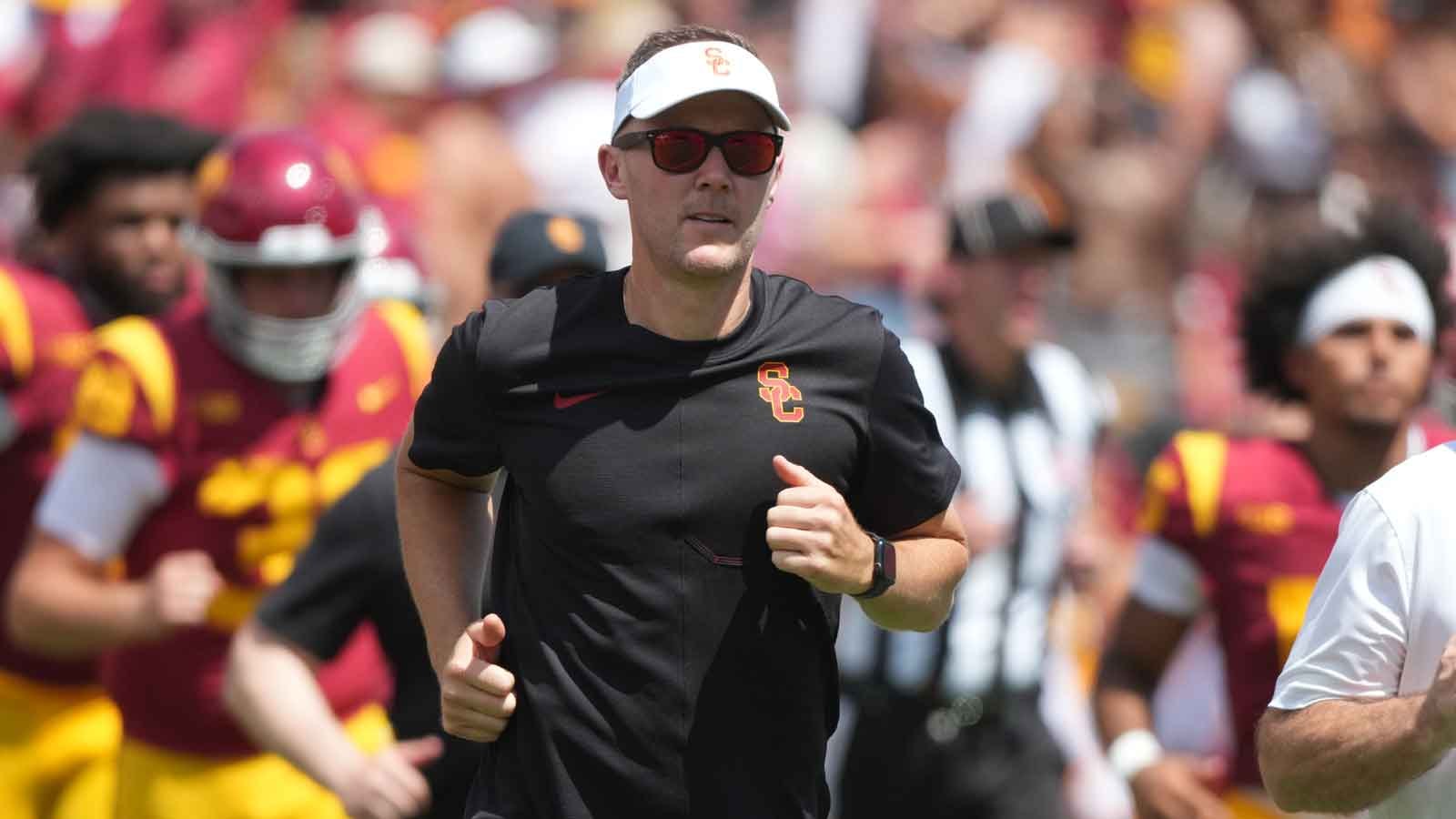
USC’s opening act against San Jose State had the look of a coming-out party, at least for three quarters, and it produced a 42-26 win. Players and fans at Los Angeles Memorial Coliseum also worked through conditions described as near 90 degrees, with the Trojans putting themselves in command early and then sustaining the pressure. Still, Riley used the postgame moment to flag that the final margin was not the full story of what happened on the field.
According to Riley’s comments reported after the game, the coach singled out “one quarter” that, in his view, didn’t match USC’s expectations. That kind of message is typically aimed at consistency, especially early in a season when coaches are calibrating how quickly mistakes compound and how often the team can return to its best football after a dip.
USC’s overall control showed up in the way the game shifted after the first portion, with a dominating three-quarter stretch that created a cushion big enough to handle late swings. The final score, 42-26, indicates that San Jose State found ways to stay competitive and score after USC’s biggest burst, even as USC maintained the lead long enough to close out the win.
For Riley and his staff, the practical question in games like this is not whether USC can take a lead, it is whether USC can protect a lead by limiting the exact type of quarter Riley warned about. A one-quarter performance gap can come from multiple factors, including tempo, execution on key downs, or defensive adjustments that take too long to settle. Without additional specifics, the emphasis remains on the idea that USC still has to clean up the stretches that allow an opponent to reset.
USC entered the game as the only top-15 team in action, a framing that raises the stakes for how the Trojans manage both the scoreboard and the standard of play. In a season opener, coaches also know that early performance shapes internal confidence and external expectations, so the willingness to call out a quarter that fell short is part of setting a tone for the rest of the year.
The 42-26 result also matters in how the team can evaluate what worked. When a team separates in three quarters and then still gives up a meaningful amount in the fourth, it creates a film-room challenge with two tracks: identifying why USC was effective for most of the game, and then diagnosing why the level dropped in the quarter Riley referenced. That is often where adjustments for future opponents get prioritized.
Looking ahead, USC’s next steps should be less about the final score and more about whether the “one quarter” problem becomes a pattern or remains an isolated lapse. Riley’s message suggests the staff will treat it as correctable execution, not as a weakness to accept. For fans, the follow-through will likely be visible in how USC starts and sustains drives and how quickly it responds when momentum shifts.
If USC can turn Riley’s critique into immediate improvement, the Trojans can protect their identity in both halves. If not, San Jose State’s ability to score enough to produce a 42-26 finish will serve as a reminder that opponents do not disappear once a lead appears. Either way, the week after a season-opening win tends to reveal whether USC is simply hot for stretches or truly built for sustained performance.
Why It Matters
- Riley’s postgame critique highlights the type of consistency USC will need to avoid volatile performances even after building a lead.
- A season opener that produces both a clear win and a noticeable “bad quarter” gives USC a precise area to fix before conference play pressures increase.
- If USC can eliminate the quarter-level drop, it strengthens its ability to sustain momentum against higher-end opponents.
- The staff’s response to the letdown quarter may shape how the Trojans evaluate execution, tempo, and in-game adjustments moving forward.
Sources
Key Facts
- USC defeated San Jose State 42-26 at Los Angeles Memorial Coliseum.
- Lincoln Riley said one quarter in the game did not meet USC’s standards.
- The game featured three quarters of USC control, followed by a quarter where USC did not play to its expectations.
- The matchup was played in near 90-degree heat, according to the game coverage.
- USC was described as the only top-15 team in action entering Saturday.