
THE APEX TIMES
Lincoln Riley’s USC buyout figure is stirring 2026 pressure talk, with questions now going beyond payroll
A reported $60 million buyout and a fourth-year performance gap are feeding talk that USC’s patience could be tested quickly in 2026.
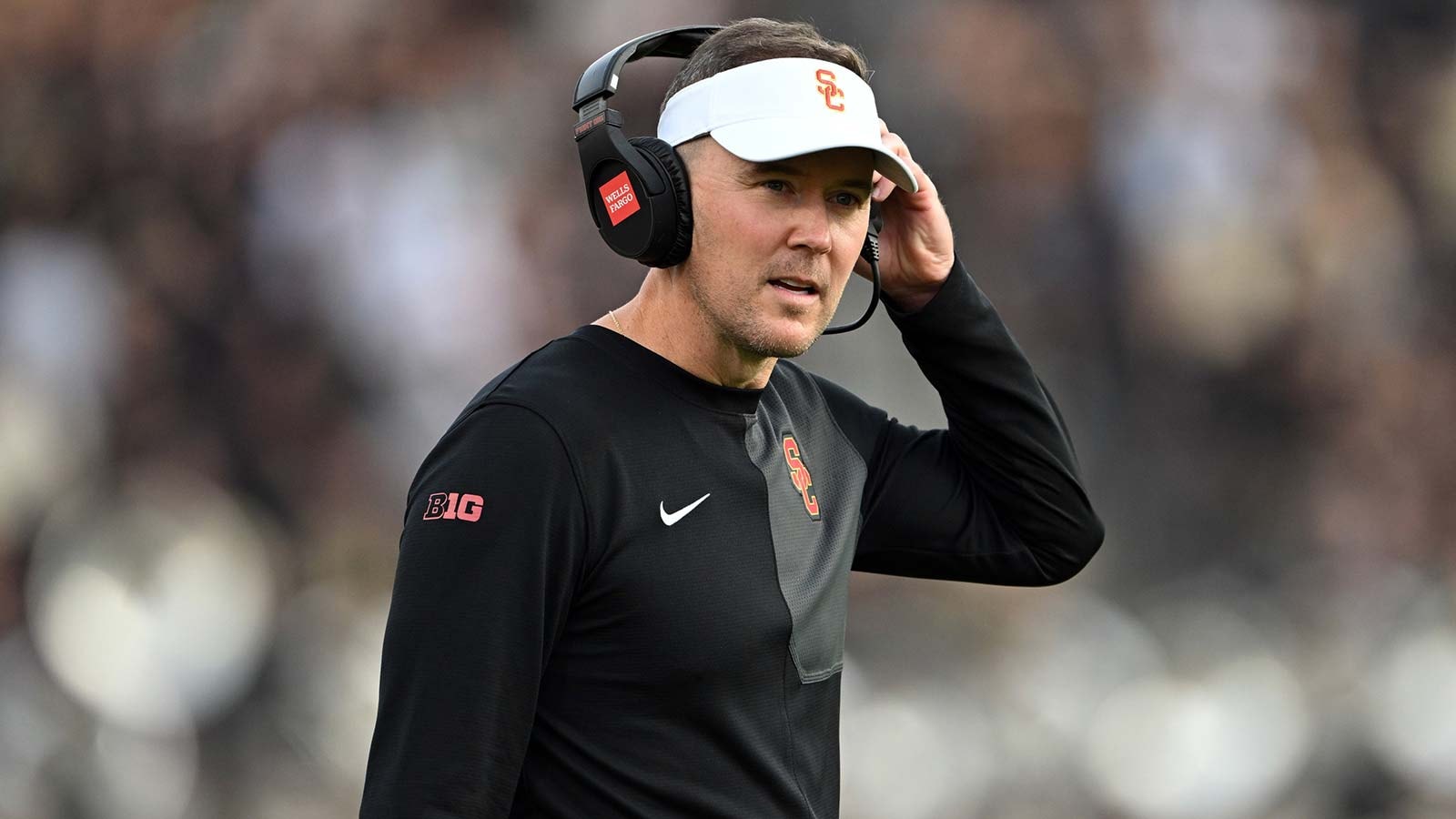
USC’s 2026 football season is arriving with more than the usual preseason uncertainty, as national reporting has turned the focus to Lincoln Riley’s long-term footing in Los Angeles. According to a Yahoo Sports report, Riley’s seat may already be warmer than a $60 million buyout would normally suggest, tying expectations to immediate results rather than contract math.
Riley’s USC tenure has been framed by an early high point, then a decline in comparable output. The Yahoo report notes that Riley arrived in LA and launched an 11-win campaign that included a Heisman Trophy winner. It then highlights the contrast of four years later, saying USC has not replicated anything similar, an argument that supporters may view as progress without the same ceiling, while critics may see as stagnation in a league that rewards spikes in performance.
The buyout number, in this context, functions as an anchor for the conversation. A large buyout can deter midstream change, but it can also heighten scrutiny by underscoring how committed an organization is to an outcome that has not matched the early promise. The report’s core point is not that USC is acting today, but that a big figure does not automatically insulate a coach from reputational risk when each offseason raises the question of what comes next.
USC’s stakes are especially sharp because Riley is the public face of the program’s modern offensive identity and roster-building plan. In a major-conference setting, the definition of “safe” often depends on whether recruiting momentum, on-field production, and the team’s position in the national conversation move in the same direction. A single season can set that trajectory, and with an 2026 season now the immediate measuring stick, the report suggests the margin for patience could be slimmer than buyout language implies.
What makes this storyline notable is the timing. College coaching changes typically do not happen from one preseason headline, and the report itself is presented as rumors and pressure talk rather than confirmed decision-making. Still, buyout figures can shape how quickly institutions move, and they can also become focal points for fans assessing whether a university is willing to absorb costs to reset expectations.
For USC, the practical takeaway is straightforward: 2026 will carry heightened weight, not only for wins and losses but for the clarity of the team’s direction. If USC’s offense and overall identity fail to look like the product of an elite-level program building toward sustained contention, the question of whether Riley has delivered on the early “ceiling” narrative will likely grow louder as the season progresses.
The next thing to watch is how the team performs once games begin, and whether the program’s results align with the optimism that surrounded Riley’s arrival. If the early-season report looks weak, external pressure tends to intensify quickly, especially in college football where weekly scrutiny can turn into offseason inevitability.
Why It Matters
- A coach’s future in college football often hinges on whether the program’s performance trend matches the expectations that brought him in.
- The large buyout figure can influence timing and leverage, but it does not eliminate scrutiny when results lag.
- USC’s national relevance in 2026 makes every early-season performance turn into a longer-term recruiting and brand story.
- If pressure grows, it can affect how the program communicates plans to players and recruits heading into key windows.
Key Facts
- Yahoo Sports reported that USC’s Lincoln Riley faces pressure in the lead-in to the 2026 season.
- The Yahoo report says Riley has a $60 million buyout figure associated with his USC contract.
- The report describes Riley’s initial success at USC, including an 11-win season and a Heisman Trophy winner.
- Yahoo contrasts that early output with a four-year period that, in its framing, has not replicated the same level of results.