
THE APEX TIMES
Lions camp notes: Tate Ratledge says the NFL still moves too fast, but he is adjusting
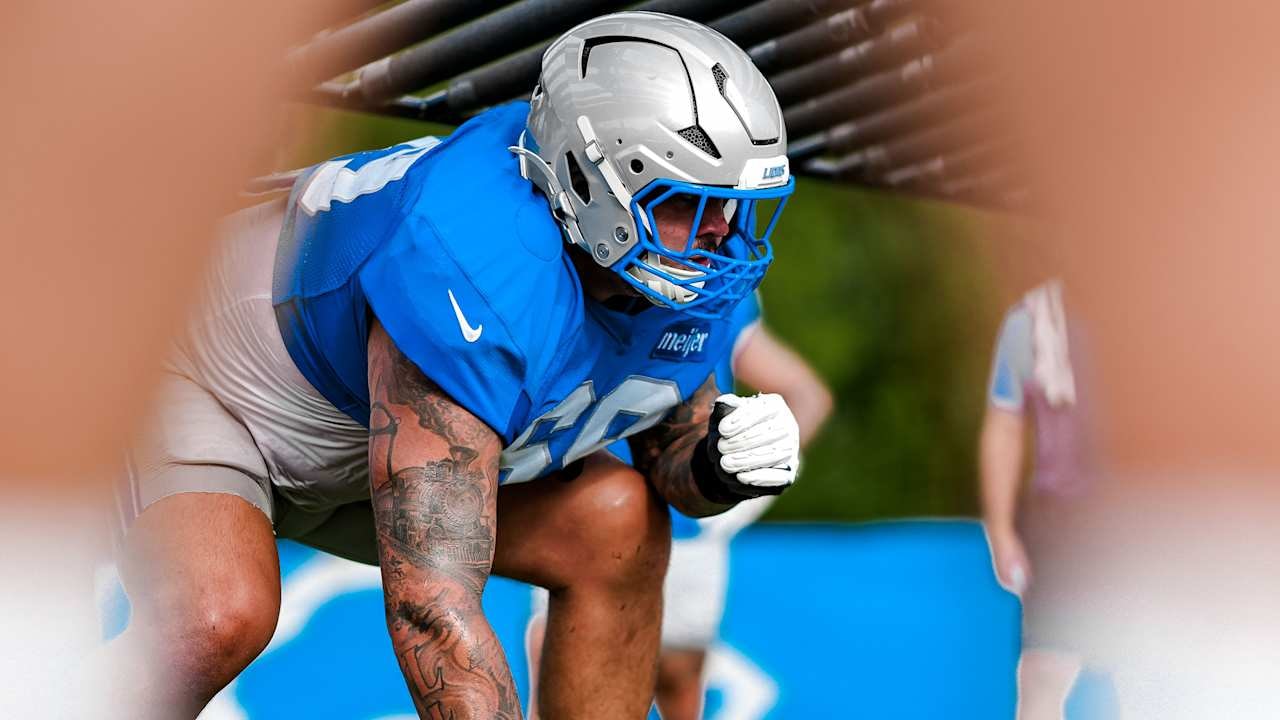
During Detroit’s Day 7 padded practices, Tim Twentyman’s camp notebook highlighted how offensive lineman Tate Ratledge has been learning to manage the speed and communication demands that come with the pro game.
Detroit’s training camp is built for small, repeatable corrections, and on Day 7 the message around the Lions’ work in pads centered on one of the club’s current developmental priorities: Tate Ratledge continuing to “level up” his game as he gets more comfortable with how quickly plays evolve at the NFL level.
In the Lions’ camp notebook, reporter Tim Twentyman relayed Ratledge’s description of last season’s transition. Ratledge framed the move from college to the pros as trying to drink water out of a firehose, a vivid way of capturing what linemen often experience when the tempo, sightlines, and pre-snap information are suddenly faster and more layered than what they faced in college.
Twentyman’s notes also pointed to the early learning curve that can come with that kind of jump. The camp write-up referenced communication issues and missed assignments that showed up early, underscoring how much of offensive-line play is about timing, coordination, and clarity, not just individual technique.
What matters about the Day 7 emphasis is that it is not presented as a single-day fix. The notebook positions Ratledge’s progress as an ongoing adjustment, which is consistent with the purpose of padded sessions: they replicate the physicality and speed of contact while giving players multiple reps to correct footwork, hand placement, and, just as importantly, how they confirm assignments with teammates.
In Detroit’s camp environment, communication is usually the difference between a clean rep and a blown one. Ratledge’s comments, as summarized in the Lions’ report, effectively place that responsibility in his own lane: if the NFL is moving too fast, then the work has to include recognizing it early, processing it quickly, and making sure his teammates are reading the same picture at the same time.
The Lions’ coaching staff will continue using camp to separate instincts from habits. For a developing offensive lineman, “leveling up” often looks like fewer late adjustments, improved urgency in recognition, and a lower rate of assignment errors, especially during periods where the practice format pressures timing.
As the camp continues past Day 7, Ratledge’s most important test will be consistency. Observers should look for whether the communication that was described as problematic early last season is tightening up during padded work, and whether the gap between what he sees and what he does shrinks rep after rep.
For Detroit, the broader takeaway is roster-building clarity. Offensive-line depth and reliability are usually built through incremental learning, and the Lions’ own framing of Ratledge’s development suggests the club is still focused on turning early-transition mistakes into repeatable performance habits in August preparations.
Why It Matters
- For offensive linemen, early communication and assignment errors can snowball into practice and game-day breakdowns, so tracking that improvement matters for unit cohesion.
- Ratledge’s adjustment speaks to a central NFL challenge for rookies and second-year players, the speed at which information has to be processed and acted on.
- As Detroit pushes through padded work, fewer missed assignments and clearer communication can translate into more stable offensive-line rotation options.
- The Lions’ camp narrative suggests internal standards are being measured in execution, not just effort, which can shape roles as the season approaches.
Key Facts
- Detroit’s training camp Day 7 included padded practices highlighted in the Lions’ official camp notes.
- Tim Twentyman’s notebook focused on Tate Ratledge’s progression during the pro transition.
- Ratledge described the move from college to the NFL as trying to drink water out of a firehose.
- The camp notes referenced communication issues and missed assignments early in his rookie season.
- The Lions’ report presents Ratledge’s growth as a continuing adjustment rather than a one-time correction.