
THE APEX TIMES
Lions defensive coordinator Kelvin Sheppard calls for change as Detroit sits at 2-2
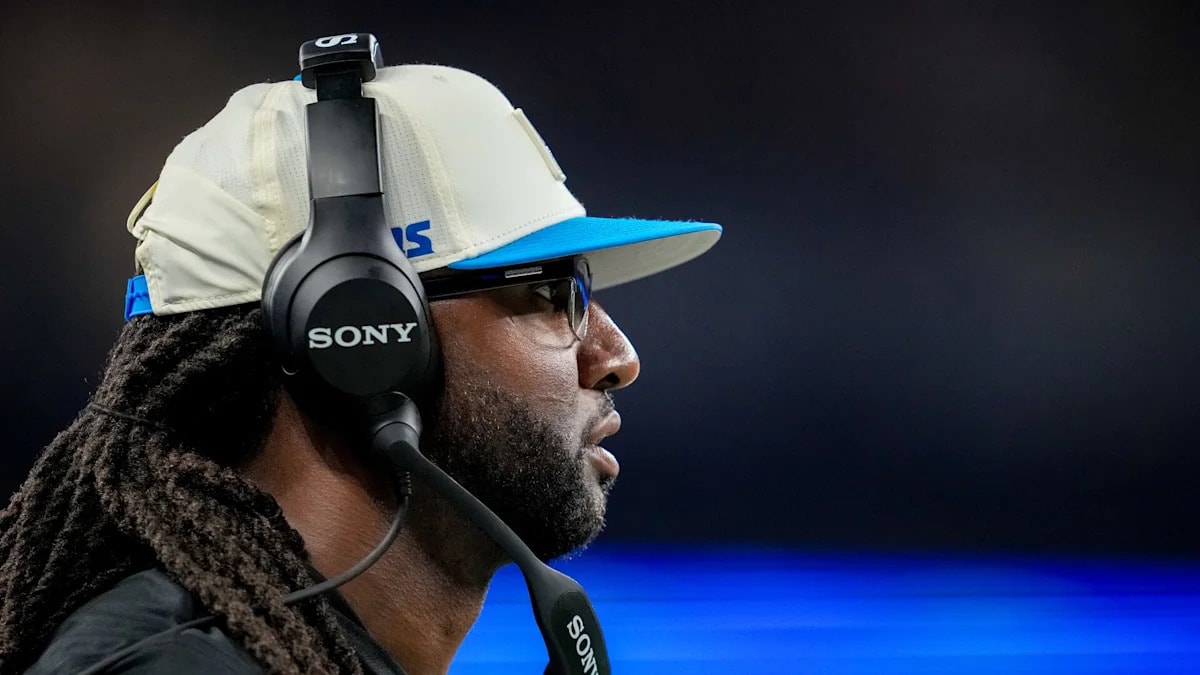
After four games, Kelvin Sheppard acknowledged that the Lions’ defense has not been good enough, and he said the unit needs to evolve instead of waiting for a turnaround to arrive on its own.
The Detroit Lions entered the 2026 season with a clear defensive identity, and after the first four games, the results have not matched the intent. In an interview published Tuesday, defensive coordinator Kelvin Sheppard said that “something has to change,” framing the Lions’ 2-2 record as a consequence of defensive production that has fallen short of expectations.
Sheppard’s comments put responsibility where the problem appears to be. The Lions are 2-2, and the through-line, according to the report, is that the defense has not been “good enough.” That is not a minor critique in the NFL, where defensive play is often the difference between controlling field position and giving opponents manageable drives. For a team trying to separate itself from the middle of the division, a defense that cannot consistently stop opponents forces the offense to play from behind or with less margin for error.
The coordinator’s wording also matters because it suggests the Lions are not treating the current struggles as a temporary slump. “Everyone knows that,” the report says Sheppard acknowledged, indicating that this is not simply a private concern inside the coaching staff. By linking the record directly to the defense, Sheppard appears to be setting a tone for adjustments, whether that comes through schematic changes, emphasis on specific fundamentals, or a tighter focus on execution during live-game situations.
For Detroit, the challenge is that defensive evaluation in the league is rarely about one factor. Even when a coordinator wants “change,” it can mean a range of things, from how the front attacks protection to how the secondary communicates coverage and handles route combinations. Sheppard’s stance implies the Lions believe their issues are systemic enough that incremental corrections may not be sufficient. In practical terms, that could mean simplifying some decisions, adding structure where players are overthinking, or altering the way the unit pressures and reacts.
There is also an organizational stake in the message. Coaching staffs are often measured by how teams respond when early-season results do not align with preseason expectations. With Detroit at 2-2, Sheppard is indicating that the defense will be a priority area for iteration rather than an area that can be left to settle through repetition alone. The next games will test whether the Lions’ adjustments show up as fewer explosive plays, better third-down outcomes, or simply more consistent drive-to-drive performance.
The immediate question for fans and analysts is what “change” looks like on Sundays. The report does not detail specific personnel changes or particular tactical calls, so the focus for now should be on patterns: whether the Lions’ defense plays with improved discipline, whether opponents are less able to sustain drives, and whether Detroit can turn defensive stops into field-position advantages. If the Lions follow through, the defensive identity that Sheppard alluded to would start to reappear in the most important moments, especially late in drives when game plans are usually enforced.
Detroit’s 2-2 start keeps the season firmly in the present tense. The path to the postseason in the NFL often hinges on separating trend from randomness. Sheppard has argued that the defense cannot afford to wait for a break, and the Lions’ next defensive outing will provide the first real answer to whether this is the beginning of a correction or another chapter in an uneven start.
Why It Matters
- A defense that cannot consistently execute forces the offense to carry the burden, which affects overall team performance across the season.
- Sheppard’s comments suggest the Lions plan to adjust rather than hoping results improve without structural changes.
- With Detroit at 2-2, the team’s next few games can help determine whether early struggles become a corrected trend or persist.
- The NFL rewards defensive reliability in third-down and late-drive situations, areas where adjustments typically become visible quickly.
Key Facts
- The Detroit Lions are 2-2 after four games in the 2026 season.
- Kelvin Sheppard, Detroit’s defensive coordinator, said “something has to change” regarding the Lions’ defense.
- The report attributes Detroit’s record in large part to defensive performance not being “good enough.”
- Sheppard indicated the issue is widely recognized, not limited to the coaching staff.