
THE APEX TIMES
Lions defensive coordinator Kelvin Sheppard opens training camp media week with five takeaways
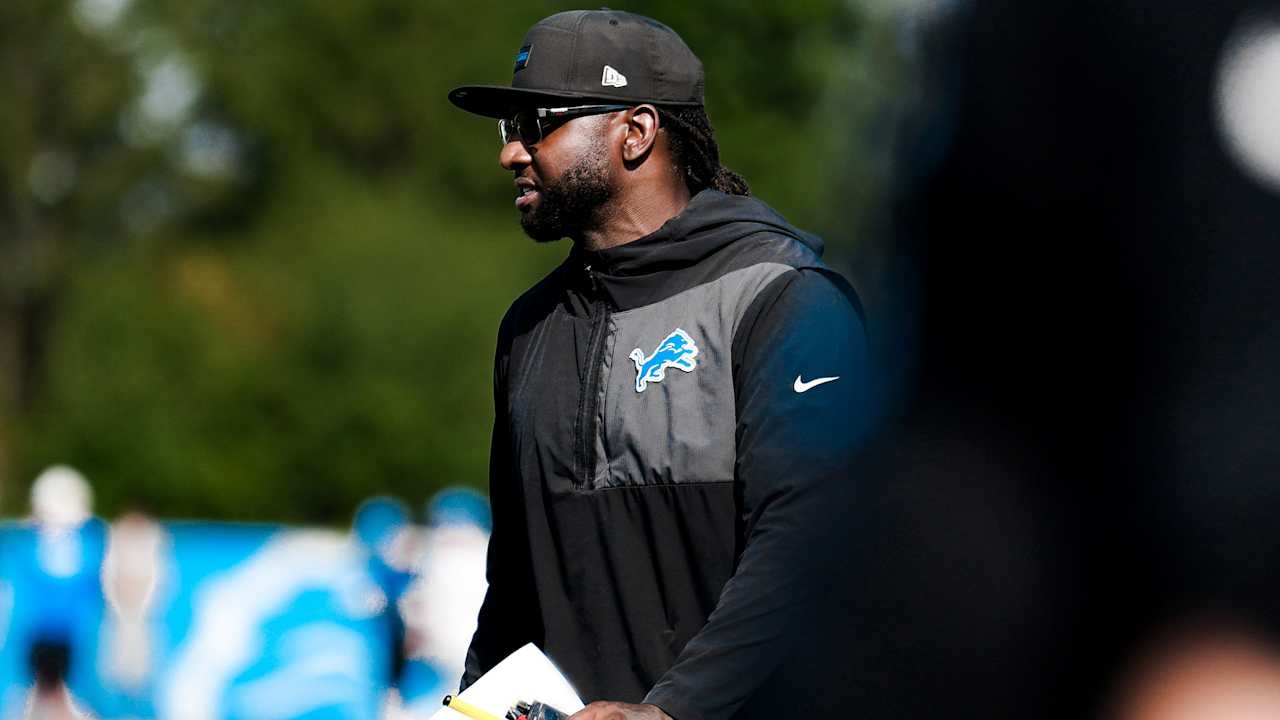
Detroit’s second-year defensive coordinator met reporters for the first time since camp began, outlining what he wants to see from the unit as practices ramp up.
The Detroit Lions met the start of training camp with a familiar structure and a new point of emphasis: Kelvin Sheppard, entering his second year as the team’s defensive coordinator, spoke to the media Sunday for the first time since camp began last week. The Lions’ team coverage framed the session as a set of “takeaways” meant to capture Sheppard’s focus heading into the busiest stretch of summer.
From the team’s standpoint, the timing matters. With preseason preparation underway, early-camp days are usually when coordinators and position leaders push players to internalize communication rules, alignments, and matchup expectations, especially for a defense that has to coordinate across the front, the second level, and the back end. Sheppard’s media availability functioned as a public marker that the Lions are moving from the initial installation phase into faster, sharper repetition.
Within that context, Sheppard’s comments were presented as guidance for what the coaching staff will monitor as the defense practices more live, higher-tempo situations. The Lions’ release emphasized multiple themes tied to how a coordinator evaluates the unit beyond raw execution, including how quickly responsibilities are understood and how consistently players apply the plan under day-to-day variation that comes with training camp.
For a defense, the coordinator’s priorities often show up less in highlight moments and more in the details: whether players know who carries route responsibility, when run fits adjust, how the back end communicates coverage adjustments, and whether the front holds the edge responsibilities that make later elements possible. Sheppard’s Sunday remarks, as summarized by the team, were positioned as a roadmap for that kind of coaching emphasis as camp continues.
The “five takeaways” format also indicates how the Lions want the information to land with fans. By breaking the discussion into discrete points, Detroit’s media staff effectively translated a coaching meeting into portable lessons about preparation and performance. Even without a full game plan on display, coordinators usually communicate what “good” looks like to the coaching staff, then use practices to test whether the unit can deliver it.
Looking ahead, the next meaningful test will be whether the defense’s processes hold up as reps increase and as practices progress into periods that typically demand sharper execution under time and formation variety. With Sheppard now having opened the camp conversation publicly, Detroit’s coaches will likely continue to narrow the gap between what they teach and what they see on the field, practice-by-practice, as the preseason picture begins to form.
If the Lions’ first set of media takeaways centered on fundamentals and consistency, the next question will be how quickly those themes translate into tighter run defense, cleaner coverage communication, and fewer breakdowns in transitional moments. In the short term, the best indicators will come from the weekly rhythm of practice and the staff’s own follow-up commentary as camp moves beyond its initial installation window.
Why It Matters
- A coordinator’s early-camp message often reveals what the staff will emphasize as reps increase and practices become more demanding.
- For fans, the “takeaways” format provides a baseline for evaluating the defense’s progress during camp.
- Training camp communication and responsibility clarity can be especially important for defenses because breakdowns tend to compound across units.
Key Facts
- Kelvin Sheppard is entering his second year as the Detroit Lions defensive coordinator.
- The Lions reported that Sheppard spoke to the media Sunday for the first time since training camp began last week.
- Detroit’s team coverage packaged the session as five takeaways, indicating multiple priority themes rather than a single headline topic.