
THE APEX TIMES
Lions find answers in the secondary as Keith Abney’s Week 5 role grows in 45-21 win over Cardinals
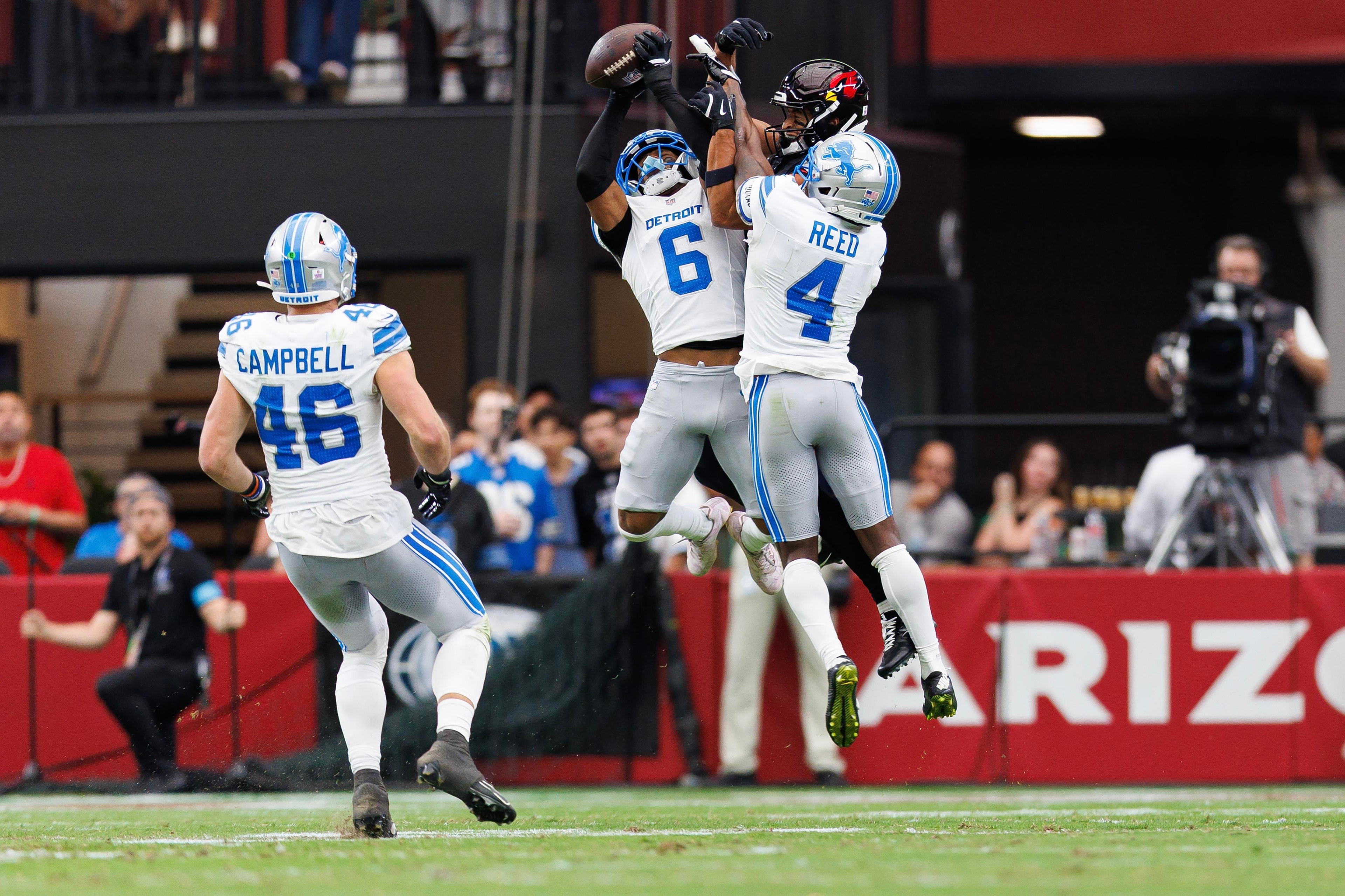
Detroit used a quick defensive response after falling behind early, then turned sustained pressure into points, highlighted by an expanded look at Keith Abney in the secondary.
The Detroit Lions returned to winning ways in Week 5, handling the Arizona Cardinals 45-21 in a game that turned after a rough start. After Arizona jumped out to a 7-0 lead in the first quarter, Detroit’s defense and playmakers tightened the game quickly, and the Lions’ second-quarter surge was the separation point. The Lions’ 24 consecutive points in the second quarter came with a defensive backbone of their own, including five straight Cardinals three-and-outs.
A key storyline within Detroit’s Week 5 game film was how the snap counts and coverage looks reflected a larger role for Keith Abney in the secondary. Abney’s expanded usage, as outlined in the snap-count breakdown, was framed as adding “range” to a group that needed to stay disciplined against Arizona’s route concepts and timing. In practical terms, more reps in the defensive backfield often report the staff’s confidence in a player’s ability to communicate coverage, mirror at speed, and make plays in space.
Detroit’s defense did not simply limit big plays. The Lions sustained control by forcing repeated early downs, which then put Arizona in pass-heavy situations. The snap-count angle matters because it helps explain why the game flow swung. When a secondary is shuffled toward a more athletic or more active look, it can change how often quarterbacks are comfortable throwing to the same windows and how frequently receivers can gain cushion and release cleanly.
The scoring momentum followed that defensive momentum. The Lions scored another touchdown on their first offensive possession of the second half, a sequence that typically compounds a lead because it removes any remaining late-game “reset” the trailing team might have hoped for. Once Detroit re-asserted control after halftime, the contest became difficult for Arizona to manage, especially with the Lions already demonstrating they could dictate tempo through stops.
Arizona did find points and kept the scoreboard moving, but Detroit’s early turnaround and second-quarter rhythm were the dominant features. Falling behind 7-0 can sap confidence, yet Detroit answered with a long stretch of production that included both offensive effectiveness and defensive punctuations. In a game like this, snap counts are a window into how the staff adjusted, and the Abney focus suggests the Lions were leaning into a specific coverage need rather than purely reacting to the opponent play-by-play.
What to watch next is whether Detroit’s coaching staff continues to build out Abney’s role as part of the weekly defensive plan, or whether Week 5 represented a matchup-driven adjustment. If the Lions’ secondary continues to show improved range and consistency, it can reduce the pressure on the front seven to win every rep alone. For the Cardinals, the next question is how they respond to a defense that forced repeated three-and-outs, since that type of sustained inability to sustain drives tends to expose planning gaps beyond just one coverage matchup.
Why It Matters
- Snap-count trends can indicate how a defensive staff is trying to solve matchup problems, and Abney’s larger Week 5 role points to a specific adjustment in Detroit’s secondary.
- For Detroit, sustaining early defensive control makes it easier for the offense to play with rhythm, especially after an early deficit.
- For opponents, repeated three-and-outs against the Lions can change game planning, forcing quicker throws and more predictable down-and-distance situations.
- If Abney’s range translates into consistent coverage performance, Detroit could continue developing a secondary identity that makes explosive plays harder to generate.
Key Facts
- The Detroit Lions defeated the Arizona Cardinals 45-21 in Week 5.
- Arizona led 7-0 in the first quarter before Detroit’s surge.
- Detroit scored 24 consecutive points in the second quarter.
- Detroit’s defense forced five consecutive three-and-outs during that stretch.
- Detroit scored a touchdown on its first offensive possession of the second half.
- A Week 5 snap-count breakdown highlighted Keith Abney’s increased role in the secondary, described as adding range.