
THE APEX TIMES
Lions preseason stock report vs. Commanders underscores the roster battle across every unit
A position-by-position review after Detroit’s second 2026 preseason game highlights who looked ready for Week 1 roles and who needs to sharpen their case.
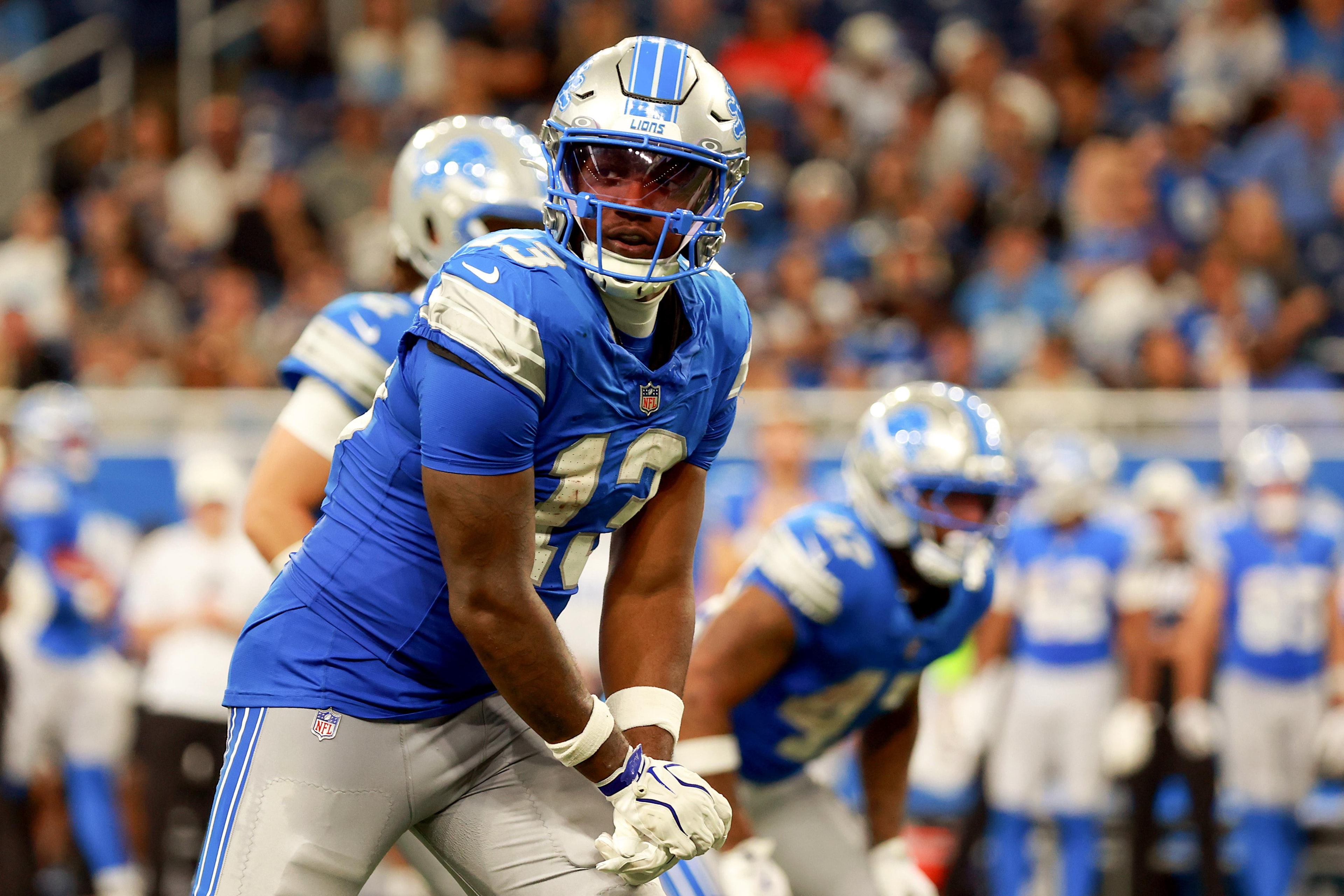
Detroit’s second preseason game of the 2026 season is in the books, and a new position-by-position “stock report” frames what the Lions learned against the Washington Commanders. Rather than treating the preseason as a single scoreboard moment, the review looks at how individual players affected their own opportunities, with risers and fallers tracked “at every position” after the matchup.
Preseason evaluation in the NFL is inherently unstable. Coaches and front offices use it to sort depth, clarify role expectations, and test how players behave under simplified but still chaotic game conditions. For teams, “stock” is less about perfection and more about whether a player’s traits translate when opponents are playing real personnel and coaches are making late-game decisions about reps.
In the Lions’ case, the stock report approach suggests a broad lens on the roster. A preseason contest can expose a unit’s communication and conditioning, but it can also reveal whether players understand scheme constraints and can execute assignments when the playbook opens up for the second team. A player can flash talent in one drive, but the key question is whether that performance carries through multiple situations: early down continuity, third-down reliability, and run or pass protection consistency.
The “riser” and “fallers” framing also reflects how teams handle the end-of-roster funnel. The NFL season forces each club to trim to a final list of contributors, and the competition typically sharpens after the first few preseason games. By checking in at every position, Detroit’s internal narrative is likely focused on who earned more trust for the remaining preseason snaps and who risks losing leverage in the pecking order.
For Washington, the context matters because preseason games are not mirror images of regular-season football. Game plans vary, veterans may play limited snaps, and coordinators mix looks to see if backups can make correct adjustments. The Commanders matchup, positioned as Detroit’s second preseason test, gives the Lions a clearer read than an opening-game evaluation would, particularly for players hoping to separate themselves from the pack.
The most practical takeaway for fans is that Detroit’s preseason endgame is about roles, not highlights. If a player is labeled a “riser” in a stock report, it generally indicates that they did more of what coaches want to see for the next stage of roster decisions: staying on script, winning their battles with adequate consistency, and limiting the kind of errors that cause coaches to tighten up involvements. If a player is labeled a “faller,” it is usually a sign of missed opportunities, execution lapses, or inability to replicate practice form when the game tempo rises.
Still, there is a caveat that preseason “stock” is not a promise. One strong game can push a player up, but the NFL roster battle turns quickly as the next opponent, the next game plan, and the next week of practice all change the picture. The Lions’ coaching staff will also weigh practice performance and the day-to-day details that preseason broadcasts do not capture, meaning the stock report is best understood as an early snapshot, not a final verdict.
What to watch next is simple: whether Detroit’s risers continue to earn repeat usage against the rest of the league’s starters or second-team groups, and whether the fallers correct the underlying issues. As the preseason tightens, stock reports tend to become more predictive of the final depth chart, and the Lions’ next games should show which players can sustain their case when coaches narrow the roster decisions to fewer, higher-leverage opportunities.
Why It Matters
- Preseason stock tracking matters because it influences how teams set up the late-roster competition before the regular season.
- Evaluating “every position” indicates that Detroit’s coaching staff is looking for repeatable execution across the roster, not just isolated standout plays.
- For fans, the risers and fallers framework provides a practical guide to who may see more meaningful reps as the Lions approach their final roster cut.
Sources
Key Facts
- The story is a Detroit Lions position-by-position stock report following their 2026 preseason game against the Washington Commanders.
- The framing highlights players who “helped” or “hurt” their stock across every position after the matchup.
- The report is specifically tied to Detroit’s second preseason game of the 2026 season.
- The piece is presented as a roster-evaluation snapshot rather than a regular-season standings or playoff-impact recap.