
THE APEX TIMES
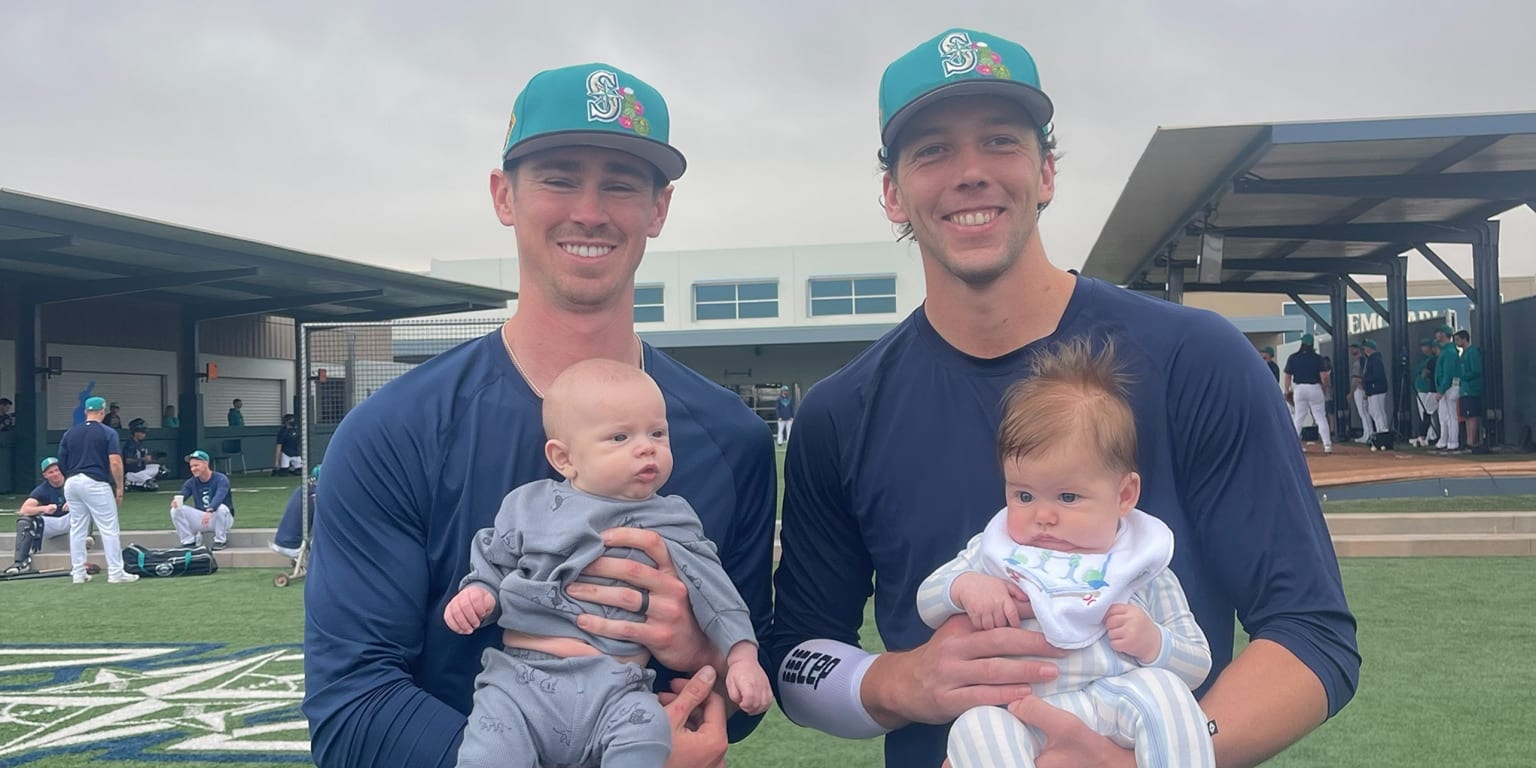
The Mariners right in sync off the field, with two pitchers finding common ground as their sons grow from their first months of life.
Seattle Mariners pitchers Logan Gilbert and Emerson Hancock are discovering a different kind of training routine these days: fatherhood. In an MLB feature published June 20, 2026, the two longtime friends describe the early days of parenthood as they watch their sons interact and react to one another, with the players framing the bond between the babies as a reflection of the friendship they have built over the years.
The article paints a picture of two families learning each other’s rhythms. Gilbert and Hancock are both in the early stages of raising children, with their sons described as not yet eight months old. The centerpiece is how naturally the young kids appear to respond when they are together, from their mannerisms to the comfort they show in shared moments, which the pitchers say feels like watching a friendship start before it can even be spoken into existence.
For baseball, that kind of personal closeness can matter even when it never makes the stat sheet. The Mariners feature both pitchers in roles that rely on preparation, routine, and trust, and the friendship described in the release is rooted in familiarity. According to the MLB write-up, Gilbert and Hancock do not just enjoy the idea of their sons bonding, they actively participate in creating the conditions for it, spending time together in a way that resembles how teammates build rapport.
Hancock and Gilbert are also players whose careers live in the details of timing, mechanics, and communication. When two pitchers become friends, it often shows up in small ways, whether that is how they talk shop, how they process the day’s work, or how they support each other through the long stretches that define a Major League season. The fatherhood angle in the feature is essentially another layer of that dynamic, with both men portraying the early “watch-and-learn” phase as a shared experience.
The emotional throughline in the release is that friendship extends beyond the ballpark. The dads describe the joy of watching their sons together and express the belief that the boys are already forming an early connection, just as their parents’ relationship has. In that sense, the story is less about baseball outcomes and more about the human foundation that can stabilize a clubhouse culture and keep teammates anchored through uncertainty.
There is, of course, a limit to how far any offseason-like bonding narrative can be used as a predictor of on-field performance. The MLB feature does not present new baseball transactions, depth-chart shifts, or game-day developments, and it does not claim that fatherhood will change results. Still, it offers a window into the type of relationships that teams often lean on, especially among players whose roles demand patience and long-term consistency.