
THE APEX TIMES
Looking back at 1976, when baseball still felt larger than life
A 104-year-old’s memories reach across three big 50-year mileposts, taking baseball fans back to the star era of Ruth and Gehrig and into the season that defined a new generation of MLB storylines.
The calendar date matters today, not because of a game result, but because it pulls baseball’s timeline into focus. In a recent reflection titled “Remembering the year 1976,” a writer describes the rare perspective of a client who has just turned 104. The account places her in the living overlap between baseball’s earliest modern legends, the long national glow of the sport, and the era that began to look familiar to later generations of fans.
In the piece, the writer recalls that the client was alive during the time of Babe Ruth, Lou Gehrig, Rogers Hornsby, Cool Papa Bell, and Walter Johnson. That span, stretching from the sport’s early cinematic greatness into the mid-20th century, is part of what makes the reflection feel personal. It is also what turns a simple anniversary into a kind of historical bridge, connecting 1976 to an even older American reference point: the United States’ 150th anniversary of 1776.
The 1976 marker is significant in baseball culture because it sits at a point where the sport’s past is still close enough to be remembered, but the modern game is already shaping the future. By drawing a line from the client’s lived memory to the mythic names of baseball’s first era, the reflection frames 1976 as more than a season on a list. It becomes a doorway into how fans understand “then” versus “now,” and how quickly sports eras can harden into nostalgia.
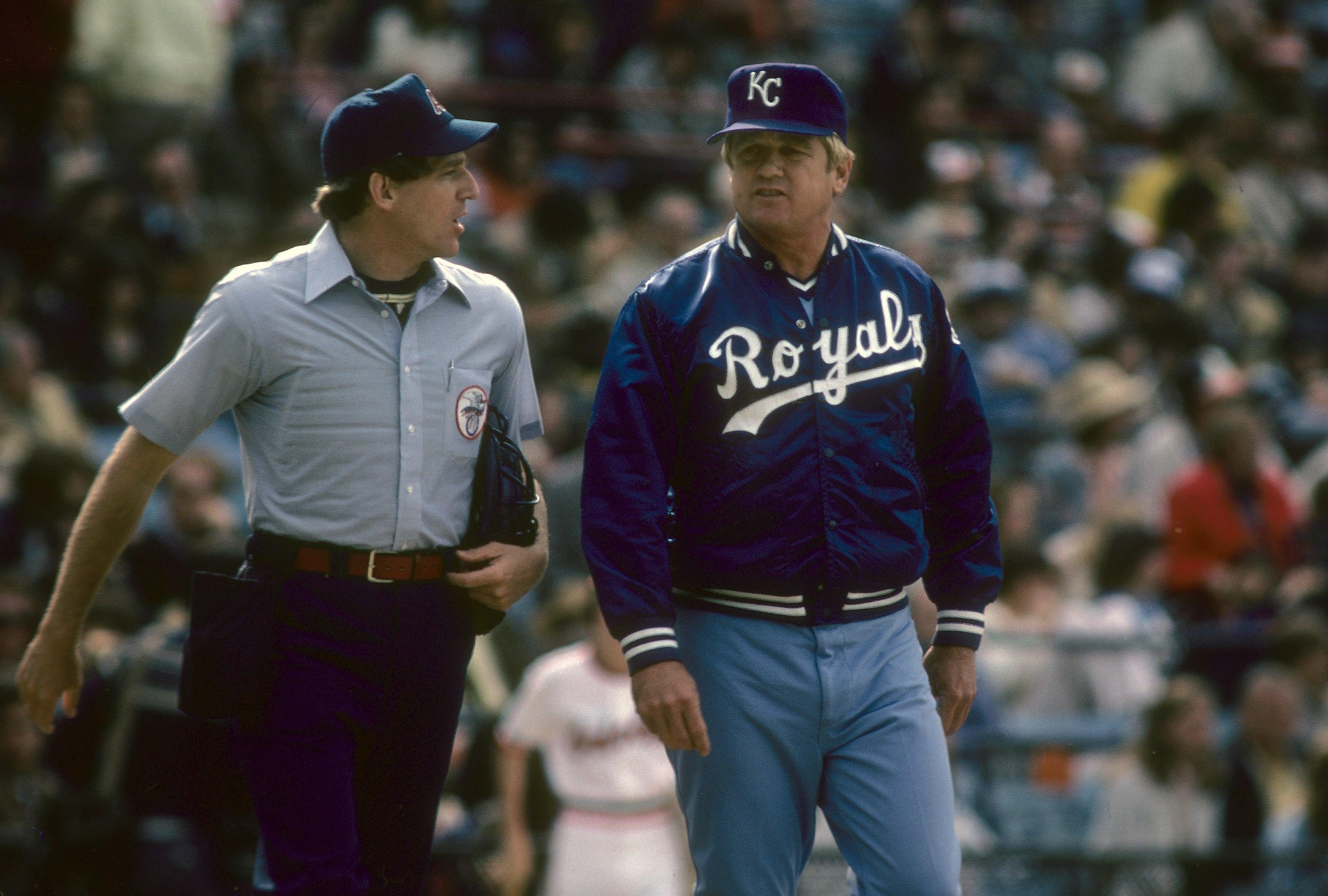
There is also a Kansas City angle embedded in the writer’s tone. The reflection mentions “bad Royals baseball” and suggests that fandom, even when it brings frustration, is part of what makes time worth remembering. For many longtime followers, the Royals are not just a team on a schedule, they are an emotional calendar, with stretches that test patience and moments that become shorthand for entire decades.
While the essay does not lay out a play-by-play of Royals seasons or any verified details about outcomes, it does provide a clear thematic centerpiece: experiencing multiple 50-year anniversaries is extraordinary. The writer notes having witnessed the 200th and 250th anniversaries in some form, but doubts the possibility of another 50-year leap without an unforeseen medical miracle. That framing shifts baseball from entertainment to testimony, emphasizing continuity rather than box scores.
For MLB fans, the practical takeaway is straightforward. When a date like this is paired with memories of the sport’s earliest icons, it encourages a broader view of roster building and league evolution. Star players come and go, ballparks change, and strategies evolve, but the sport’s identity is also built from how each generation interprets the one before it.
Looking ahead, the best “what to watch” is not a transaction or a standings swing driven by this reflection, but the way baseball content keeps revisiting 1976 anniversaries through commemorations, oral histories, and themed retrospectives. In an offseason calendar full of new storylines, that kind of retrospection can remind fans what the game used to sound like, who it used to build around, and why those eras still matter to modern MLB storytelling.
Why It Matters
- It uses a 1976 milestone to highlight how baseball history is preserved through lived memory, not just records.
- It reinforces how team fandom, including frustration periods, can become part of a longer sports identity than individual seasons.
- It places MLB’s star lineage in a broader American historical context, linking the sport’s eras to national anniversaries.
- It encourages modern fans to value retrospectives and oral histories as essential context for understanding how the game evolved.
Key Facts
- The reflection is published on August 12, 2026, marking 50 years since 1976.
- The writer describes a client who has just turned 104 and was alive during the eras associated with Babe Ruth, Lou Gehrig, Rogers Hornsby, Cool Papa Bell, and Walter Johnson.
- The writer connects the client’s lifetime to the United States’ 150th anniversary celebration tied to 1776.
- The reflection mentions the Royals, including a reference to “bad Royals baseball.”
- The writer argues it is rare for someone to experience multiple 50-year anniversaries, including having witnessed the 200th and 250th.
- The piece is presented as a personal remembrance rather than a report on a particular game or roster change.