
THE APEX TIMES
LSU football’s offensive line continuity is becoming a settled strength as fall camp tightens
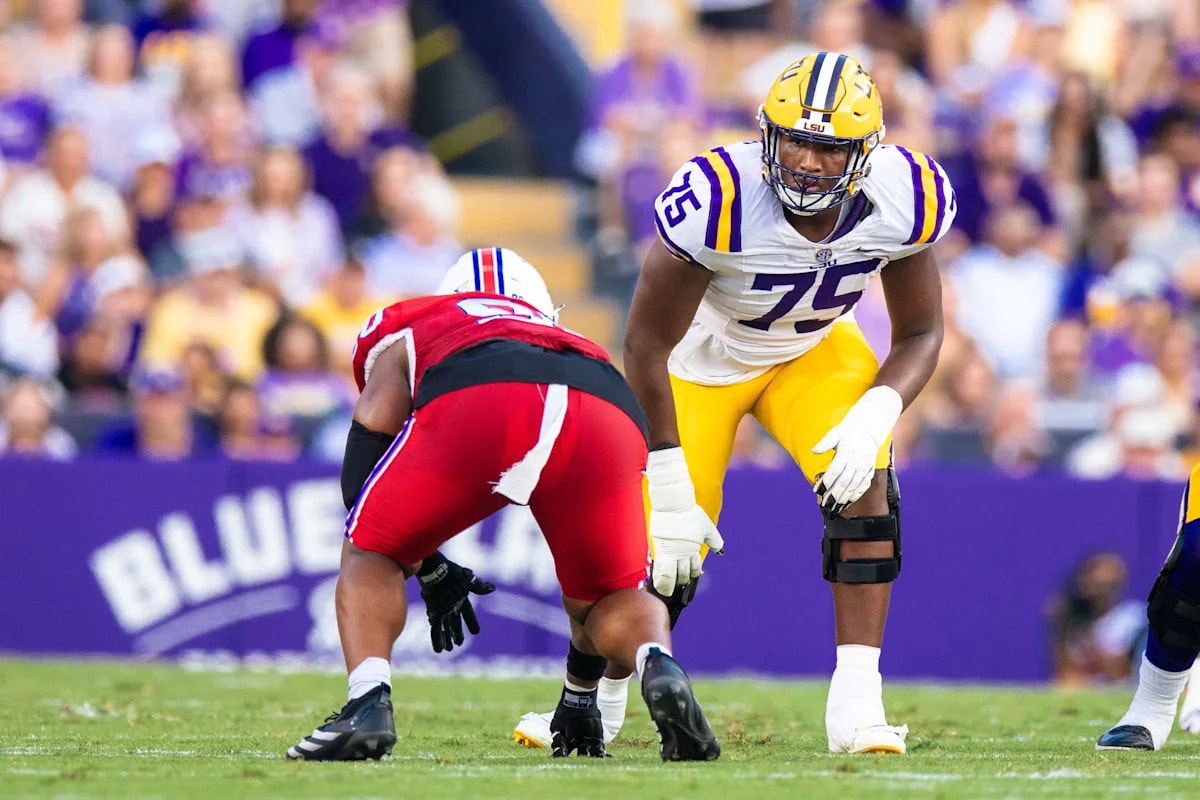
A consistent starting five and the same-look group carrying over from spring practices offer LSU a rare type of stability up front, a factor that can matter early in the season when timing, protections, and run game cohesion have to click quickly.
LSU football is entering the 2026 season with an offensive line that appears to have stabilized, and the Tigers’ staff is treating that steadiness as a real advantage. According to Yahoo Sports, LSU has leaned on the same starting five dating back to spring work, and the group has continued to look consistent as fall camp approaches.
Continuity on the offensive line is more than a comfort factor. The unit has to coordinate footwork, communication, and protection rules on nearly every snap, and those details typically sharpen when the players are operating as the same group for an extended stretch rather than mixing combinations week to week.
For LSU, the reported “same five” setup suggests the unit has had time to build chemistry on fundamental pieces like identifying defensive fronts and syncing slide and call responsibilities. Those are the sorts of adjustments that can show up as fewer delays, cleaner movement, and more consistent execution during practice, particularly as the preseason window closes.
Fall camp also tends to sort out who is truly ready to handle game-speed responsibilities. When a team maintains its projected starters through spring and into camp, it can indicate the coaching staff views the group as capable of handling both the physical demands of the position and the mental workload of playing together.
The timing matters as well. Offensive-line cohesion is often most visible early in games, when penalties, missed assignments, and communication breakdowns can create immediate negative plays. A stable group can reduce the number of new variables, which in turn can help the quarterback and skill players get to their reads and routes with more confidence.
That said, preseason consistency is not the same as regular-season performance, and offensive lines can still face matchup and health issues that change who plays and how. Even if the starting five has held steady in practices, LSU’s production up front will still be tested by early-season opponents, which can force new adjustments.
What to watch next for LSU is whether that reported continuity continues into the first full games that show live protections, third-down execution, and run-pass identity. If the same group stays together and the unit’s communication holds up, it would support the idea that the Tigers’ early-season offense is being built on something sturdier than turnover.
In the background, continuity also affects how an offense can plan its installation. When an offensive line is not constantly reshuffled, the coaching staff can keep refining the same protections and assignments without resetting the unit’s base calls, which can matter as game preparation accelerates week to week.
Why It Matters
- Offensive-line continuity can reduce miscommunication and missed assignments that often show up early in games.
- A stable starting group gives LSU more time to refine pass protection timing and run-game coordination.
- If LSU’s line truly stays intact, it can influence offensive game-planning by keeping the base protection and call structure consistent.
- Early-season matchups will determine whether the continuity translates into consistent execution under live pressure.
Key Facts
- Yahoo Sports reported that LSU has relied on the same starting offensive line five since spring practices.
- The same five has remained consistent as LSU moved into the fall camp period.
- The article frames that continuity as a positive sign for LSU’s offensive line this fall.
- The reported stability centers on group consistency rather than a one-off practice stretch.