
THE APEX TIMES
LSU offense looks for consistency as fall camp closes in on season rhythm
After spring practice featured flashes from its pass catchers but uneven execution, LSU’s offense is trying to tighten its timing and play-calling cadence in fall camp, with quarterback Sam Leavitt working back into a fuller workload.
LSU’s offense is trying to translate early promise into consistency as fall camp nears, a point of emphasis for a unit that began camp with real questions about rhythm and reliability. According to Yahoo Sports, LSU opened fall camp after a spring that contained both bright moments and noticeable inconsistency, leaving the staff and players focused on how cleanly they can run the offense when the reps add up.
The quarterback situation has been part of that process. Yahoo Sports reported that Sam Leavitt was limited in spring practice due to a foot injury, which shaped what the offense could fully evaluate during that period. In camp, the emphasis shifts from assessing what is possible to building repeatable execution, especially on timing-dependent throws and coordinated passing-game concepts.
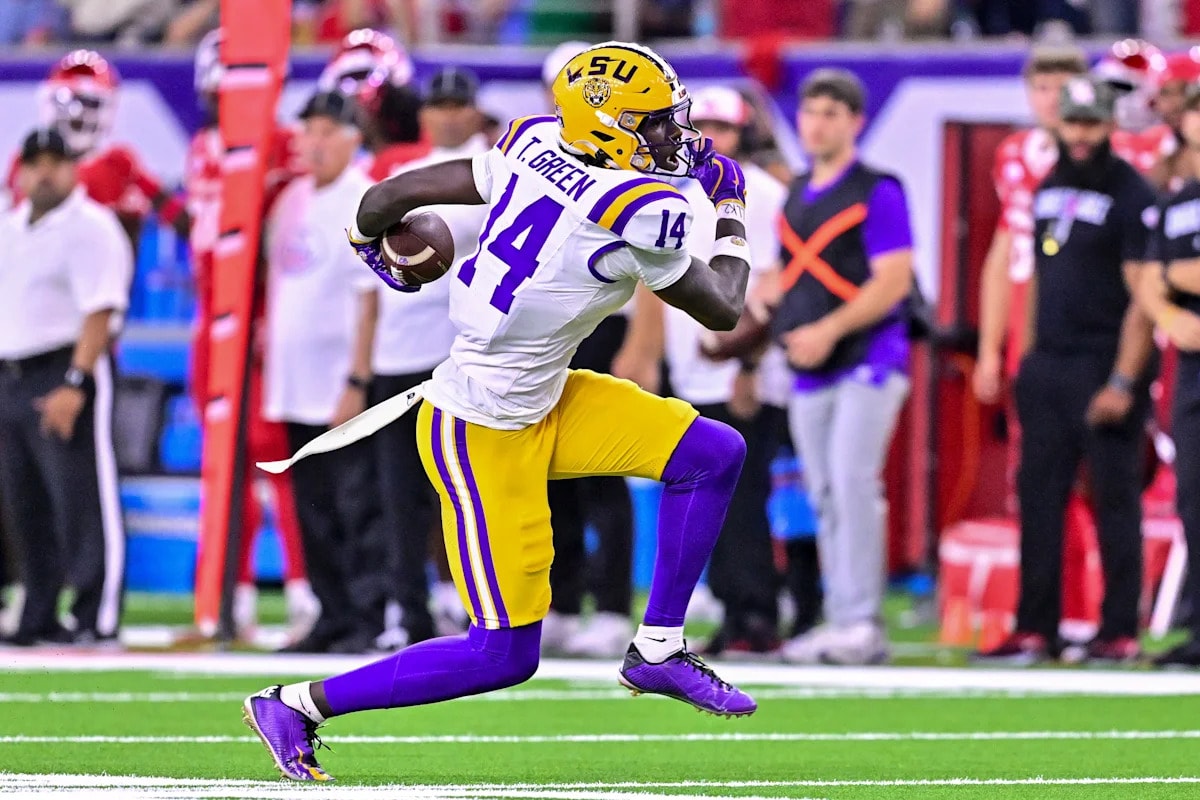
Beyond the quarterback, LSU’s pass-catchers were a storyline in the spring. Yahoo Sports described the group as showing flashes of brilliance across spring sessions, but also falling short of week-to-week steadiness. That combination is common in early installation phases, but it becomes more concerning when the offense has to prove it can sustain production rather than only deliver occasional burst plays.
As fall camp progresses, LSU’s offensive work is also tied to how quickly it can sync play design with the players’ comfort level. With the unit still searching for the right blend of tempo, spacing, and decision-making, the staff is using camp to iron out the gaps that show up when different receivers and routes are asked to work at full speed. The goal is not only explosive plays, but fewer interruptions in drive flow.
Kiffin’s offensive attack is central to that task. Yahoo Sports framed the camp work as part of an effort to settle into an identifiable rhythm within the offensive system, suggesting that LSU is looking for clearer progressions and sharper execution on the kinds of plays that define an offense week to week. For a quarterback-led unit, “rhythm” typically means more than movement and cadence. It also reflects how well the group recognizes looks and converts them into routine, repeatable gains.
There are also practical reasons camp focus matters for LSU this time of year. With preseason preparation tightening, the offense has fewer opportunities to correct issues through extended stretches of low-pressure reps. Anything that slowed the timing in spring, including limitations stemming from Leavitt’s foot injury, has a way of showing up when practice gets sharper and opponents in scrimmage work start to pressure decision-making.
Still, it is important to treat camp “good signs” as directional rather than definitive. Yahoo Sports’ description points to progress and positive indicators, but fall camp is also when teams can temporarily look more coherent than they will under game-week constraints. The more meaningful test will come when LSU has to protect the ball, manage third downs, and deliver the same level of quality across an entire game, not just during selected practice segments.
What to watch next is whether LSU’s passing attack can convert early camp consistency into sustained drive production, and whether Leavitt can maintain timing and accuracy without limitations affecting his mechanics. If the offense continues to tighten its execution, the spring’s flashes could develop into a more reliable offensive identity, which would shape expectations heading into the start of the regular season.
Why It Matters
- Consistency is usually the separating line between a team that can score in spurts and one that can sustain drives from series to series.
- Leavitt’s spring limitation makes his camp workload and timing a practical barometer for how quickly LSU can sharpen its passing game.
- Camp rhythm often translates to easier third-down execution, since timing, progression reads, and route timing are repeatable once the unit stabilizes.
- If LSU’s receiving group can turn spring flashes into steadier output, the offense gains more runway to be aggressive early rather than relying on occasional big plays.
Key Facts
- LSU’s offense is making strides in fall camp as it tries to settle into a consistent rhythm.
- Yahoo Sports said LSU began fall camp with questions about offense after an uneven spring.
- Quarterback Sam Leavitt was limited in spring practice because of a foot injury.
- Yahoo Sports reported LSU’s pass-catchers showed flashes of brilliance during the spring but were inconsistent.
- The reporting framed fall camp as part of an effort for Kiffin’s offensive attack to find its tempo and timing.