
THE APEX TIMES
Luinder Avila rebounds after rough Astros outing, Royals rookie steadies himself against Nationals
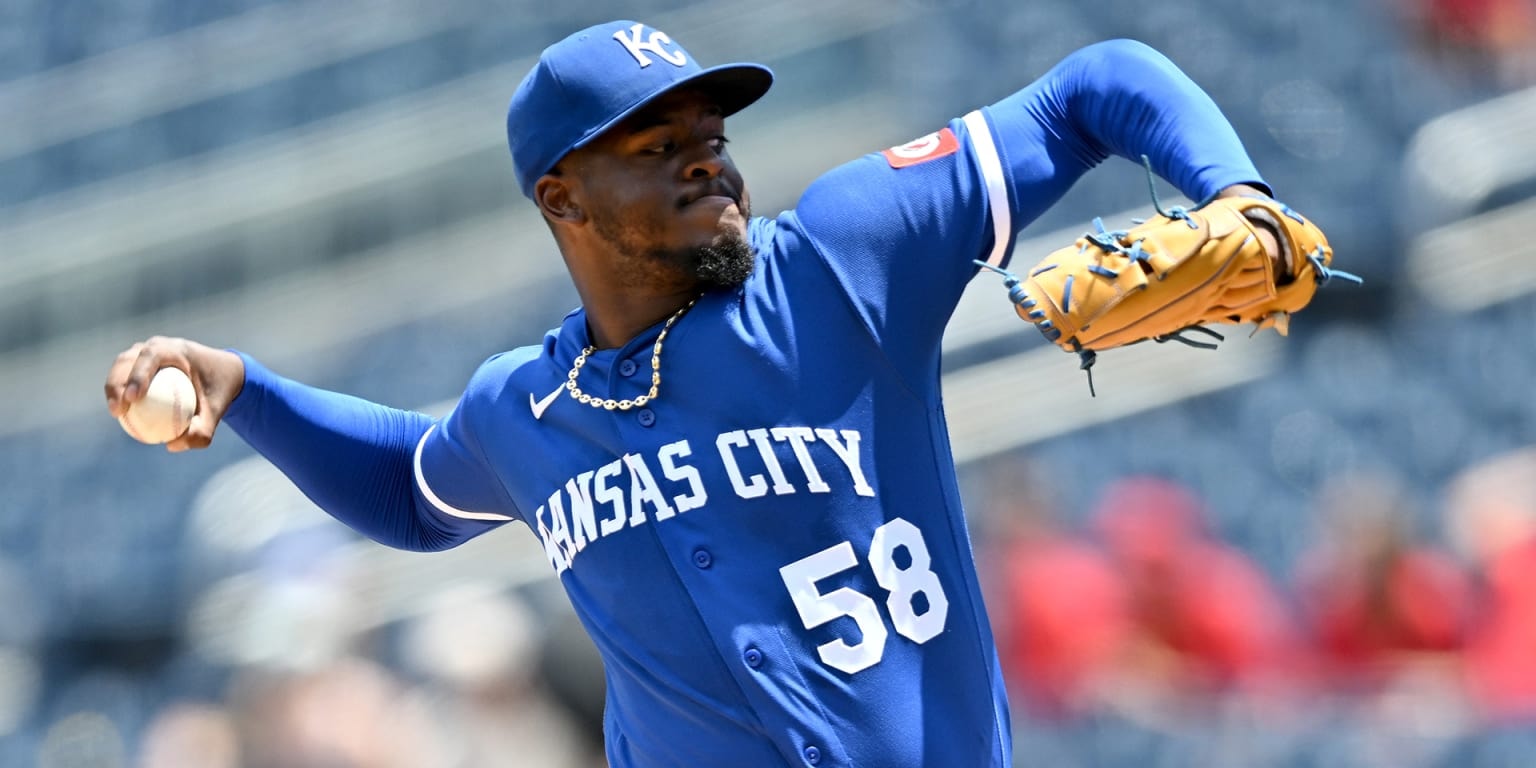
Five days after an early struggle that sent Luinder Avila out quickly in Houston, the Royals’ 24-year-old rookie pitcher answered with a calmer, more controlled start in Washington, giving Kansas City a path to a win.
A rough first inning can quickly define a start in Major League Baseball, and five days after Luinder Avila’s debut stumble against the Astros, the Royals were watching how he responded. In that prior outing, Avila recorded only two outs in the first inning before the damage mounted, as Houston pushed him off the mound after eight runs scored. For a rookie trying to settle into the majors, that kind of start is a test of mental recovery as much as it is of pitching mechanics.
The response came in Washington against the Nationals, where Avila’s second look from the Royals’ rotation carried a different tone. Per the Royals’ game recap, Kansas City treated the bounce-back outing as the next step in Avila’s development: not the elimination of mistakes, but the reduction of how quickly one inning can spiral. The article frames the outing as Avila finding his footing, and it ultimately produced a Royals win.
Avila’s timeline mattered because the contrast was immediate. The five-day gap between Houston and Washington offered a clear storyline for the organization, and it also gave the coaching staff a direct view of what adjustments were sticking. In Houston, early contact and the inability to sustain a clean sequence of at-bats forced runners on base, then accelerated the inning. Against Washington, the Royals’ message was that the rookie could return to the mound and perform with greater composure, even if the outing would still be shaped by the standard realities of MLB hitters.
What the Royals could most reasonably take from the Nationals start was evidence that Avila’s first-game jitters and first-inning problems were not permanent. Young starters are rarely linear, and the modern development approach does not expect a single outing to erase what came before. Instead, the goal is a measurable correction: keeping hitters in the park longer, limiting the number of high-leverage swings, and avoiding the prolonged traffic on the bases that turns innings into scoring bursts.
The matchup context also matters. Facing a different lineup in a different park is always part of the adjustment curve, but the Royals’ focus remained on what Avila could control: his pace, the shape of his pitches, and his ability to attack hitters with intent early rather than trying to reset after trouble began. In that sense, the Nationals game served as a follow-up chapter, the kind of outing that can help a young starter build rhythm for the next time the rotation calls.
For Kansas City, Avila’s rebound affects more than one box score. A rotation spot is a long-term puzzle, and every young starter’s ability to recover from an outing like the one in Houston informs how the staff plans future starts. If Avila keeps showing the capacity to respond quickly, the Royals gain flexibility, whether that means building a clearer pecking order for the rotation or simply gaining confidence that corrections are taking root.
Going forward, the next practical question is whether Avila can sustain the improvement beyond a single rebound start. The majors reward pitchers who can repeat their processes while still making in-game adjustments, and the Royals will likely watch how he performs when an inning begins to tighten or when hitters extend at-bats. If he continues to turn early innings into manageable frames, this Washington start can become more than a one-off redemption arc and turn into the foundation for a steadier rookie run.
Why It Matters
- A quick bounce-back matters for rookie development, especially after an early inning that snowballed.
- Sustained improvement helps the Royals evaluate their rotation stability with a young starter.
- How Avila handles the first inning can be a bellwether for future outings, since MLB scoring bursts often begin early.
- The Royals gain a clearer picture of whether organizational adjustments are translating on the mound.
Key Facts
- Luinder Avila had a difficult start against the Astros five days earlier, recording just two outs in the first inning before eight runs scored.
- The Royals followed that outing with a start by Avila against the Nationals in Washington.
- ’s recap describes Avila’s Nationals outing as him finding his footing after the earlier struggles.
- The Nationals game ended with Kansas City winning, tied to Avila’s steadier performance.
- Avila is a 24-year-old rookie starter for the Royals.