
THE APEX TIMES
Luis Arraez turns a positional doubter into a defensive case study with Giants
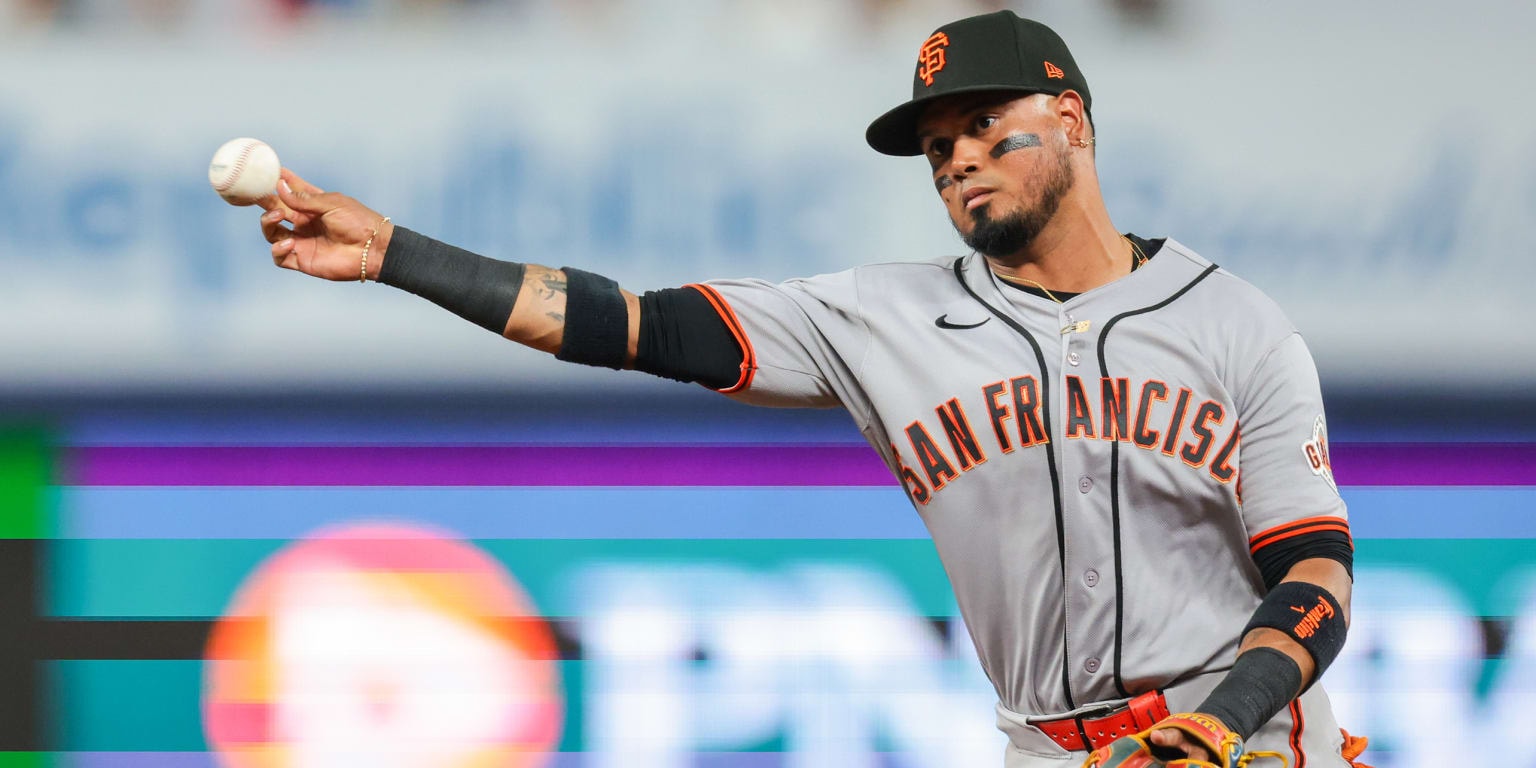
After years of scrutiny at second base, Luis Arraez is being evaluated differently in San Francisco, where the club bet on him to prove he could do more than hit.
Luis Arraez is getting a fresh look at the most scrutinized part of his game, defense at second base, after a winter decision that was built around earning trust at the position. The Giants’ internal thinking, as reflected in an MLB account of the season, is that Arraez did not just accept a new role. He designed his path to second base so he could answer, in real time, whether the long-running questions could be closed with consistent play.
For years, Arraez carried a reputation as one of the weaker defensive second basemen in baseball, an evaluation that, according to the MLB write-up, the Padres ultimately reinforced by shifting him away from the position. Over the last two seasons in San Diego referenced by the report, he was moved to be primarily a first baseman and designated hitter, a change that indicated the organization’s priorities were no longer tethered to his range and hands at second base.
The Giants’ move is framed as a bet on self-improvement. Arraez reportedly took a one-year deal with San Francisco over other interest described as multi-year offers elsewhere, with the central detail being opportunity. The MLB piece ties his decision directly to the belief that the Giants would let him play second base and provide the platform to demonstrate he could defend there.
That matters because Arraez’s value profile has often been treated as offense-forward. If a player is expected to provide elite hitting while his defense limits his fit, teams can adjust by relocating him or reshaping lineups around him. But if he can credibly handle second base again, the roster flexibility swings the other way. A middle-infielder who hits like Arraez changes how managers can plan rest days, lineup protection, and late-inning substitutions.
The story also carries a wider message about how positional labels can harden. Even when a player is regularly productive at the plate, defensive reputation can become a shorthand that influences what opportunities teams will offer. The MLB account portrays Arraez as challenging that shorthand, choosing the riskier route for reputation instead of the safer route of staying in a role that minimizes defensive evaluation.
There are, of course, limits to any single season arc. Defensive improvement is not just about willingness, it is also about coaching, footwork patterns, range reads, and how a player responds to the speed and angles of everyday innings. Arraez’s ability to sustain a new defensive standard at second base will be something to watch over the rest of the season, especially against teams that stress the infield with baserunning and quick-to-home plays.
Still, the Giants are presenting a clearer plan than in the past: give Arraez the reps at second base and see whether he can carry the position while staying himself at the plate. If he does, the impact will be felt beyond one spot on the diamond. It will reshape how San Francisco measures his overall ceiling and, more importantly, how it values commitment to a player’s long-term defensive identity rather than treating it as fixed.
That is why this is not simply a redemption narrative. It is a roster-building test. The Giants have put a premium on the chance to get two-way value from a hitter who previously lived under defensive caveats. The rest of the season, and potentially what comes after it, will determine whether the bet pays off in a way that holds up across different game states, different opponents, and different kinds of chances.
Why It Matters
- Second base is a central defensive demand spot, so credible improvement changes lineup construction and endgame substitution patterns.
- If Arraez can sustain competence at second, the Giants gain flexibility in how they balance their infield mix with roster needs.
- The case challenges how defensive reputations can determine a player’s usage, illustrating how a team can create opportunity for a reassessment.
- For Arraez personally, defense will influence his long-term fit and the range of roles teams will be willing to assign to him.
- More broadly, middle-infielder defense affects how teams defend the run, especially once baserunners force quick decisions from the infield.
Sources
Key Facts
- Luis Arraez has long been rated by observers as a weaker defensive second baseman, per an MLB report.
- The Padres moved Arraez off second base, primarily using him at first base and as a designated hitter over the last two seasons.
- Arraez reportedly signed a one-year deal with the Giants during the winter.
- The MLB report links his decision to a desire to play second base in San Francisco to prove he could defend there.
- The Giants are evaluating Arraez as a second-base option again, using playing time as the proof point.